


Competitive Sports for Kids: When is the Right Time to Start?
- Vivo Kinetics
- Feb 24
- 11 min read
Table Of Contents
Understanding Competitive Sports vs. Recreational Play
Developmental Stages and Sports Readiness
Age Guidelines for Competitive Sports
Signs Your Child is Ready for Competition
The Foundation Years: Ages 2-6
The Transition Phase: Ages 7-9
Competitive Readiness: Ages 10 and Beyond
Potential Risks of Starting Too Early
Building the Right Foundation Before Competition
Making the Decision: Questions to Ask
As a parent in Singapore's achievement-oriented culture, you've likely felt the pressure to give your child every advantage, including early entry into competitive sports. You watch five-year-olds in soccer tournaments and wonder if your child is falling behind. Perhaps well-meaning relatives ask when your little one will start "serious" training, or you've noticed friends enrolling their toddlers in intensive programs.
But here's the truth that many parents discover too late: starting competitive sports at the wrong time can do more harm than good. The question isn't whether your child should participate in sports (they absolutely should), but rather when competition should enter the picture.
The timing of competitive sports participation significantly impacts your child's long-term athletic development, emotional wellbeing, and relationship with physical activity. Research shows that children who develop fundamental movement skills before entering competitive environments tend to have better athletic outcomes, fewer injuries, and sustained interest in sports throughout their lives.
In this comprehensive guide, we'll explore the developmental stages that determine sports readiness, identify clear signs that your child is prepared for competition, and provide age-specific recommendations backed by pediatric sports medicine and child development research. Whether you're considering football academies, swimming competitions, or gymnastics meets, you'll gain the knowledge to make informed decisions that prioritize your child's holistic development.
Understanding Competitive Sports vs. Recreational Play
Before determining the right age for competitive sports, it's essential to understand what we mean by "competitive." Not all organized sports programs are competitive in nature, and the distinction matters tremendously for young children.
Recreational sports focus on skill development, enjoyment, and participation. These programs emphasize learning fundamental movements, playing with friends, and building a positive relationship with physical activity. Everyone gets equal playing time, and the primary goal is developing competence and confidence rather than winning.
Competitive sports, by contrast, introduce elements of ranking, selection, winning and losing, and performance evaluation. These programs often include tryouts, tournament participation, standings or league tables, specialized training focused on specific sports, and unequal playing time based on ability. The shift from "let's all play and learn" to "let's win" fundamentally changes the experience for children.
This distinction isn't about whether one approach is better than the other. Rather, each serves different developmental needs at different ages. The critical question is matching the right type of program to your child's developmental stage.
Developmental Stages and Sports Readiness
Children's readiness for competitive sports depends on multiple developmental domains working together. Physical capabilities alone don't determine readiness. Your child also needs cognitive, emotional, and social maturity to navigate competitive environments healthily.
Physical development includes fundamental movement skills like running, jumping, throwing, and catching, as well as sport-specific skills, coordination and balance, and sufficient strength and endurance for sustained activity. Most children don't develop the physical foundation needed for sport specialization until ages 8-10.
Cognitive development involves understanding rules and strategy, maintaining focus during practice and competition, processing feedback from coaches, and distinguishing between effort and outcome. The ability to think strategically about sports typically emerges around age 7-8, while younger children remain focused on the immediate action.
Emotional development encompasses handling disappointment and losses constructively, managing performance pressure, maintaining self-esteem regardless of outcomes, and understanding that mistakes are learning opportunities. Emotional regulation mature enough to handle competitive pressure rarely develops before age 8-9.
Social development includes working collaboratively toward team goals, understanding different roles and positions, communicating with teammates during play, and accepting coaching from adults outside the family. These social-emotional skills continue developing throughout middle childhood.
Age Guidelines for Competitive Sports
While every child develops at their own pace, research from pediatric sports medicine and developmental psychology provides general age guidelines for competitive sports introduction.
Under Age 6: Competition is developmentally inappropriate. At this age, children learn through play and exploration. They don't yet understand the concept of team strategy, struggle with the idea of winning and losing, have short attention spans unsuited to structured competition, and are building fundamental movement patterns. Programs for this age group should focus entirely on movement exploration, skill development through play, positive experiences with physical activity, and social interaction without competitive pressure.
Ages 6-8: Limited, low-stakes competition may be appropriate for some children. This transitional period works best with modified rules that emphasize participation, short seasons with minimal time commitment, focus still on skill development rather than winning, and informal competition within supportive environments. Not all children in this age range are ready for even modified competition, and that's completely normal.
Ages 9-12: Many children become ready for moderate competitive experiences. At this stage, children can understand team strategies and positions, handle winning and losing more constructively, commit to regular practice schedules, and begin specializing in sports they're passionate about. However, experts still recommend multi-sport participation rather than year-round single-sport specialization.
Ages 13+: Appropriate for more serious competitive involvement. Adolescents can handle the physical and emotional demands of competitive sports, make informed decisions about sport specialization, and benefit from competitive challenges when properly supported.
Signs Your Child is Ready for Competition
Age guidelines provide a starting point, but individual readiness varies significantly. Look for these indicators that your child may be prepared for competitive sports experiences.
Your child demonstrates intrinsic motivation by asking to practice or play without prompting, showing genuine enjoyment of the sport itself, and persisting through challenges because they want to improve. Children ready for competition are pulled toward the sport by their own interest, not pushed by parents' ambitions.
They exhibit emotional resilience by recovering from disappointments relatively quickly, accepting feedback without becoming defensive or devastated, and maintaining a positive attitude even after poor performances. If your child melts down after every mistake or loss, they need more time developing emotional regulation before entering competitive environments.
You notice solid fundamental skills as they can perform basic movements competently (though not perfectly), understand the basic rules and flow of the sport, and can participate meaningfully in game situations. Competition becomes frustrating rather than motivating when children lack the fundamental skills to participate successfully.
They show social readiness by working cooperatively with teammates, listening to and following coaches' instructions, and handling interactions with opponents appropriately. Competitive sports require navigating complex social dynamics that overwhelm some children.
Your child demonstrates realistic self-assessment by understanding their current skill level honestly, setting appropriate personal goals, and recognizing that improvement takes time and effort. Children who are ready for competition can separate their self-worth from their sports performance.
The Foundation Years: Ages 2-6
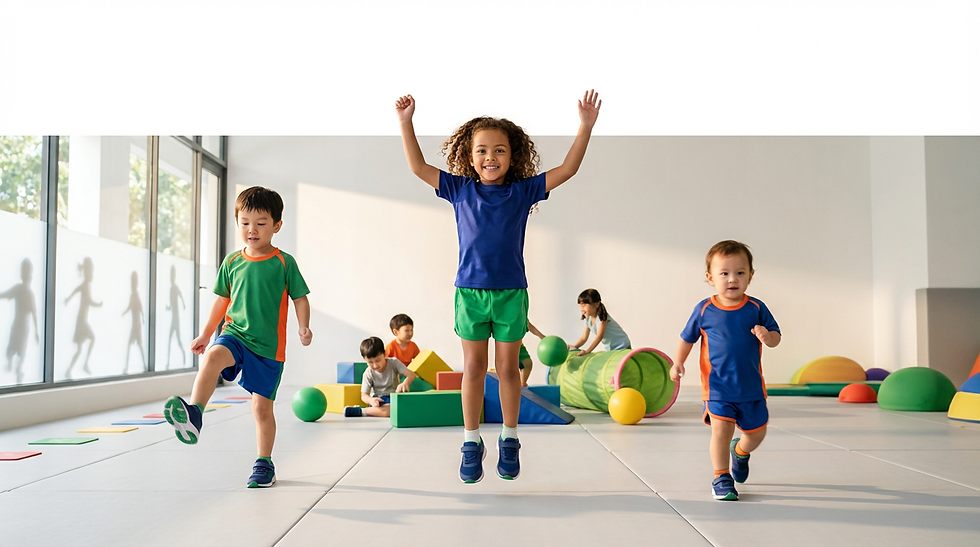
The early childhood years lay the groundwork for all future athletic development. Rather than early competition, children ages 2-6 need rich movement experiences that build physical literacy.
During these critical years, children should be developing fundamental movement skills including locomotor movements (running, jumping, hopping, skipping, galloping), object control skills (throwing, catching, kicking, striking), and balance and coordination activities. These foundational patterns form the building blocks for all future sports skills.
The focus should remain on play-based learning where movement is joyful and exploratory. Children this age learn best through games and imaginative play, varied activities that prevent boredom and burnout, and positive reinforcement that builds confidence. Structured drills and competitive pressure actually interfere with natural skill acquisition at this age.
Programs like Vivo Kids multi-sports programme are specifically designed for this developmental stage, offering ages 2-6 exploratory movement experiences through play-based activities. This approach builds fundamental movement skills across multiple sports, develops confidence in physical abilities, and creates positive associations with physical activity, all in a nurturing, non-competitive environment that respects how young children learn.
The habits and attitudes formed during these foundation years significantly impact lifelong physical activity participation. Children who experience movement as playful, achievable, and enjoyable are far more likely to remain active throughout their lives than those pushed into competitive pressure before they're developmentally ready.
The Transition Phase: Ages 7-9
The early elementary years represent a transitional period when some children begin showing readiness for modified competitive experiences while others still need predominantly recreational programming.
During this phase, children benefit from skill refinement through more structured skill development, introduction to sport-specific techniques, increased practice duration as attention spans lengthen, and beginning strategy concepts appropriate to their cognitive level. The emphasis remains on learning and improvement rather than winning.
Modified competition can be appropriate when thoughtfully structured. This might include games with flexible rules emphasizing participation, short seasons preventing burnout, equal playing time policies, and celebration of effort and improvement rather than just outcomes. The competition serves skill development rather than selection or ranking.
Parents should watch for readiness variations as children in this age group show enormous individual differences. Some 7-year-olds thrive in light competitive settings while some 9-year-olds still find competition stressful. Respect your individual child's developmental timeline rather than following what neighbors or classmates are doing.
For children ages 6-12 who show interest in soccer specifically, programs like Vivo Kicks Academy offer age-appropriate progression. These specialized programs develop sport-specific skills systematically, introduce tactical concepts at developmentally appropriate levels, and provide structured training that builds toward competitive readiness without premature pressure. The key is matching the program structure to the child's current developmental level.
Competitive Readiness: Ages 10 and Beyond
By age 10-12, many children have developed the physical, cognitive, emotional, and social capabilities needed for genuine competitive sports participation. However, even at this age, the approach matters tremendously.
Healthy competition at this stage includes clear separation between the child's worth and their sports performance, emphasis on controllable factors like effort and attitude, opportunities to compete in multiple sports rather than single-sport specialization, and balanced schedules that allow for rest, academics, and other interests. Competition should enhance development, not consume childhood.
Children this age can handle increased commitment including regular practice schedules, weekend tournaments or competitions, sport-specific strength and conditioning (age-appropriate), and goal-setting and performance tracking. This commitment should come from the child's genuine interest rather than parental pressure.
Watch for warning signs even with older children, including declining enjoyment of the sport, overuse injuries from excessive training, anxiety about performance or playing time, academic problems due to sports time demands, and withdrawal from friendships outside of sports. These signals indicate that the competitive involvement has become unhealthy regardless of the child's age.
The goal during this stage is developing intrinsic motivation and growth mindset. Children who learn to compete in healthy ways develop resilience, goal-setting skills, and understanding of the relationship between effort and improvement that serve them throughout life. Those pushed into unhealthy competitive patterns often burn out, develop anxiety, or quit sports entirely during adolescence.
Potential Risks of Starting Too Early
The pressure to start competitive sports early often backfires. Research consistently shows risks associated with premature competitive sports participation that parents should understand before making enrollment decisions.
Physical risks include overuse injuries from repetitive movements before bodies are ready, growth plate injuries from excessive training loads, burnout from physical demands exceeding developmental capabilities, and movement pattern problems from sport specialization before developing diverse skills. Pediatric sports medicine specialists increasingly see injuries previously found only in adult athletes appearing in young children.
Emotional and psychological risks encompass performance anxiety and stress, damaged self-esteem from negative competitive experiences, fear of failure that inhibits learning and risk-taking, and identity overly tied to sports performance. Children who experience competitive pressure before developing emotional regulation often carry anxiety into other life areas.
Social risks include limited peer interactions outside of sports, family stress from demanding schedules and competitive pressure, reduced time for free play and exploration, and strained parent-child relationships when parents over-invest in outcomes. The family dynamics around youth sports can become toxic when competition starts too early.
Long-term participation risks represent perhaps the most ironic consequence as early specialization and competition predict dropout in adolescence. Children pushed into serious competition too young often quit sports entirely by middle school, having never developed intrinsic motivation or a love of movement. The very parents hoping early competition would create elite athletes often end up with inactive teenagers who burned out years earlier.
Building the Right Foundation Before Competition
Instead of rushing into competitive sports, parents can support athletic development through approaches that prepare children for future success while respecting their current developmental needs.
Multi-sport participation provides the best foundation. Children who play multiple sports develop diverse movement skills, reduce overuse injury risk, discover their natural interests and aptitudes, and maintain engagement through variety. Even children who eventually specialize in one sport benefit from multi-sport participation through age 12-14.
Focus on fundamental movement skills by ensuring competence in running, jumping, and landing mechanics, throwing and catching with various objects, balance and coordination activities, and agility and body control. These fundamental capacities transfer across all sports and activities. Children with strong physical literacy can pick up new sports quickly throughout their lives.
Prioritize enjoyment and autonomy by letting children choose activities they find interesting, keeping sports fun rather than making them feel like work, allowing breaks and off-seasons, and avoiding pressure about performance outcomes. Autonomous motivation (doing sports because you want to) predicts long-term participation while controlled motivation (doing sports because parents want you to) predicts dropout.
Develop growth mindset by praising effort and strategy rather than just outcomes or talent, treating mistakes as learning opportunities, emphasizing personal improvement over comparison with others, and modeling healthy attitudes about challenges and setbacks. These mindsets matter far more than early competitive success for long-term athletic and life success.
Choose developmentally appropriate programs that match activities to children's current capabilities, emphasize skill development over winning, provide positive, qualified coaching, and create inclusive environments where all children can succeed. Programs specifically designed for different developmental stages, like those offered by specialized children's sports organizations, typically provide better foundation-building than programs created by simply scaling down adult models.
Making the Decision: Questions to Ask
When considering competitive sports for your child, ask yourself these important questions to ensure you're making a decision based on your child's needs rather than external pressure.
About your child: Does my child consistently express interest in this sport? Can my child handle disappointment and frustration in age-appropriate ways? Does my child have the fundamental skills to participate successfully? Is my child intrinsically motivated or responding to my pressure? How does my child respond to performance feedback?
About the program: Does the program emphasize development over winning for this age group? Are coaches trained in child development, not just sport techniques? What is the time commitment, and does it allow balance with other activities? How does the program handle playing time and team selection? What is the program's philosophy about competition for young children?
About family impact: Can our family sustain the time and financial commitment without significant stress? Will this involvement allow time for family meals, homework, free play, and rest? Am I prepared to support my child through both successes and disappointments? Can I maintain perspective about the role of youth sports in childhood? Am I making this decision for my child's benefit or my own aspirations?
About alternatives: Are there non-competitive or less competitive programs that would meet my child's needs? Would a multi-sport program provide better foundation at this age? Does my child need more time developing fundamental skills before competition? What are the options for trying sports without long-term commitment?
Honest answers to these questions will guide you toward decisions that serve your child's development rather than simply following what seems to be the norm in your community.
The right time for competitive sports varies for every child, but the research is clear: later is almost always better than earlier. Children who spend their early years building diverse movement skills through playful exploration, developing intrinsic motivation and love for physical activity, and forming positive associations with sports tend to have better long-term outcomes than those pushed into competition prematurely.
For children ages 2-6, the focus should remain entirely on play-based movement experiences that build fundamental skills without competitive pressure. The transition to modified competition may become appropriate for some children ages 7-9, depending on individual readiness. More substantial competitive involvement typically fits best from age 10 onward, when children have developed the physical, cognitive, emotional, and social capabilities to navigate competitive environments healthily.
Remember that the goal isn't creating elite athletes by age 8. The goal is raising children who remain physically active, emotionally healthy, and genuinely engaged with movement throughout their lives. The path to that goal looks less like early competitive pressure and more like joyful exploration, skill development, and age-appropriate progression.
As parents, we can resist the pressure to rush our children into competitive sports before they're ready. We can prioritize their holistic development over early specialization. We can trust that time spent building strong foundations will serve our children far better than premature competition.
Your child's athletic journey is a marathon, not a sprint. Starting with the right foundation at the right time sets them up for a lifetime of healthy, active living.
Ready to give your child the perfect foundation for sports success? Vivo Kinetics offers age-appropriate programs designed to build fundamental movement skills, confidence, and a lifelong love of physical activity. From play-based learning for ages 2-6 through Vivo Kids to specialized soccer development for ages 6-12 through Vivo Kicks Academy, we create nurturing environments where children develop at their own pace. Discover how our award-winning programs can support your child's journey. Explore Vivo Kinetics Programs


Comments