


Soccer for Kids Singapore: Complete Beginner's Guide for Parents
- Vivo Kinetics
- Feb 24
- 13 min read
Table Of Contents
Why Soccer is Perfect for Young Children
What Age Should Kids Start Soccer in Singapore?
Developmental Benefits of Soccer for Children
What to Look for in a Kids' Soccer Program
Types of Soccer Programs Available in Singapore
How to Prepare Your Child for Their First Soccer Session
Common Questions Parents Have About Kids' Soccer
Supporting Your Young Soccer Player at Home
Watching your child take their first steps onto a soccer field is an exciting milestone for any parent. Soccer offers children in Singapore a wonderful opportunity to develop physical skills, make friends, and build confidence in a fun, supportive environment. But if you're new to the world of children's sports, you might have questions: When should my child start? What kind of program is best for beginners? How can I support their development without overwhelming them?
This comprehensive guide answers all your questions about soccer for kids in Singapore. Whether you're exploring options for a toddler who loves to kick anything round or a primary schooler ready for more structured play, you'll find practical information to help you choose the right program and set your child up for success. We'll explore the developmental benefits of soccer, what to look for in quality programs, and how to nurture your child's enjoyment of the beautiful game from their very first session.
Why Soccer is Perfect for Young Children
Soccer stands out as an ideal first sport for young children, and it's not just because it's the world's most popular game. The beauty of soccer lies in its simplicity—all you really need is a ball and some space to play. Unlike sports that require complex equipment or elaborate setups, soccer allows children to start developing skills almost immediately. The basic movements of running, kicking, and chasing a ball come naturally to young children, making it accessible even for those with no prior sports experience.
The inclusive nature of soccer makes it particularly appealing for families in Singapore's diverse community. Children of all body types, personalities, and athletic abilities can find their place on the field. Unlike some sports that favor certain physical attributes, soccer values different skills—speed, coordination, strategic thinking, and teamwork—giving every child the opportunity to contribute and shine. This inclusivity helps build confidence in children who might feel intimidated by more specialized sports.
Perhaps most importantly, soccer is inherently social and play-based. Young children learn best through play, and soccer naturally incorporates the kind of joyful, energetic movement that children crave. When taught with an age-appropriate approach, soccer doesn't feel like structured exercise—it feels like fun. This positive association with physical activity during early childhood can establish healthy habits that last a lifetime.
What Age Should Kids Start Soccer in Singapore?
Many parents wonder about the ideal age to introduce their children to soccer. While there's no single "perfect" age, most child development experts and sports programs recommend starting between ages 3 and 6, depending on the child's individual readiness and the program's approach.
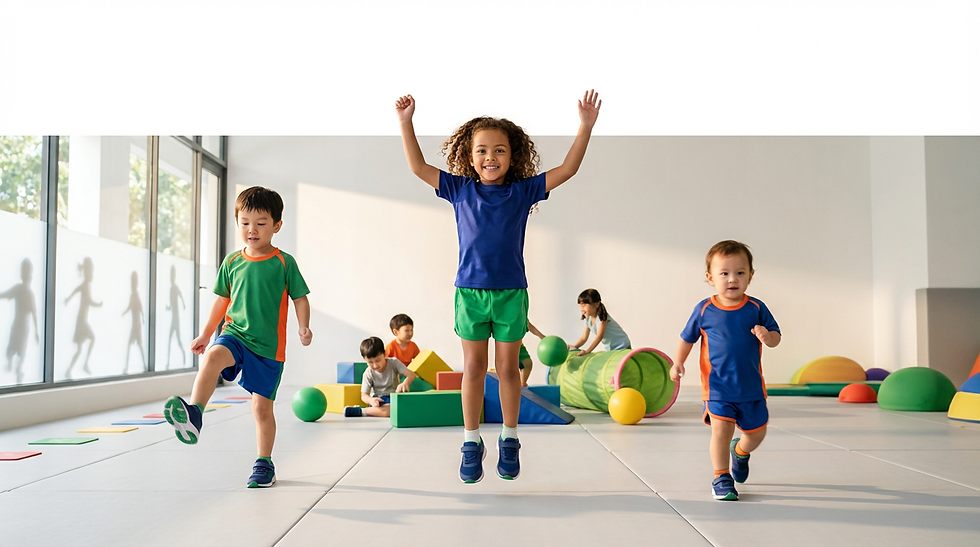
Ages 2-5: At this stage, children benefit most from multi-sport programs that introduce basic movement skills rather than sport-specific training. Programs like Vivo Kids multi-sports programme focus on fundamental movements—running, jumping, balancing, and yes, kicking—that form the foundation for all sports. These sessions prioritize play and exploration, allowing toddlers and preschoolers to develop gross motor skills and body awareness in a pressure-free environment. While soccer balls might be part of the activities, the goal is building overall physical literacy rather than teaching soccer techniques.
Ages 5-6: This is typically when children can begin enjoying soccer-focused activities while still benefiting from a play-based approach. At this age, children develop better coordination, can follow simple instructions, and start understanding basic concepts like taking turns and working together. Programs should still emphasize fun and skill exploration rather than competition or structured drills. The focus remains on building confidence, fostering a love of movement, and developing social skills through games and activities.
Ages 6-12: By age six, most children are ready for more structured soccer programs that introduce proper techniques, tactics, and team play. This is when children can fully participate in programs like Vivo Kicks Academy, which offers age-appropriate soccer training that balances skill development with character building. Children at this stage can handle longer attention spans, understand more complex game concepts, and begin developing sport-specific skills while still keeping enjoyment at the center of the experience.
The key is matching the program to your child's developmental stage rather than rushing them into advanced training. Starting with the right foundation ensures children develop proper movement patterns, maintain enthusiasm for the sport, and avoid burnout or injury.
Developmental Benefits of Soccer for Children
The benefits of soccer extend far beyond learning to kick a ball. Quality soccer programs support holistic child development across multiple domains, making it an investment in your child's overall growth.
Physical Development
Soccer provides comprehensive physical benefits that support healthy growth. Children develop cardiovascular fitness through running and constant movement, building heart health and endurance from an early age. The sport naturally improves coordination and balance as children learn to control their bodies while manipulating the ball with their feet. Fine motor skills advance as children gain precision in their kicks and footwork, while gross motor skills develop through running, jumping, and changing direction.
Beyond these fundamental skills, soccer helps children develop spatial awareness—understanding where their body is in space and in relation to others. This awareness is crucial not just for sports but for everyday activities and safety. Regular participation also builds bone density and muscle strength, establishing a strong physical foundation during critical growth years.
Social and Emotional Growth
The social benefits of team sports like soccer are equally significant. Children learn to cooperate with teammates, communicate effectively, and work toward shared goals. These experiences teach important lessons about collaboration that transfer to school projects, family dynamics, and future workplace environments. Soccer also provides natural opportunities to develop empathy as children learn to encourage struggling teammates and celebrate others' successes.
Emotionally, soccer helps children build resilience. They experience small failures—a missed goal, a lost game—in a supportive environment where they can learn that setbacks are part of growth, not reasons to quit. This resilience, developed through age-appropriate challenges, becomes a valuable life skill. Additionally, mastering new skills and contributing to team efforts builds genuine self-confidence that comes from accomplishment rather than empty praise.
Cognitive Development
Soccer also stimulates cognitive growth in ways that might surprise parents. The sport requires constant decision-making—when to pass, where to move, how to respond to changing situations—which develops executive function skills. Children improve their ability to focus and maintain attention, particularly important in our distraction-filled world. They also develop problem-solving abilities as they figure out how to navigate challenges on the field.
For young children especially, following instructions from coaches and remembering sequences of movements supports memory development and the ability to process and act on verbal information. These cognitive skills directly support academic learning and classroom success.
What to Look for in a Kids' Soccer Program
Not all children's soccer programs are created equal. When evaluating options for your child, consider these essential factors to ensure you choose a program that prioritizes your child's development and enjoyment.
Age-Appropriate Curriculum
The program should offer content specifically designed for your child's age group. Younger children need shorter sessions with frequent activity changes, playful learning approaches, and minimal emphasis on rules or competition. Older children can handle more structure, tactical instruction, and competitive elements. A quality program recognizes these developmental differences and tailors its approach accordingly rather than using a one-size-fits-all methodology.
Qualified, Child-Centered Coaches
Coaches make or break a child's sports experience. Look for programs with coaches who have both soccer expertise and, crucially, training in child development and age-appropriate teaching methods. The best coaches for young children understand that their role is educator and encourager, not drill sergeant. They should create a positive, supportive atmosphere where children feel safe trying new skills and making mistakes. During trial sessions, observe whether coaches give individual attention, use positive reinforcement, and genuinely seem to enjoy working with children.
Play-Based Learning Philosophy
Particularly for younger children, programs should emphasize learning through play rather than repetitive drills. Research consistently shows that children develop skills more effectively when they're engaged in games and activities that feel fun rather than structured exercises that feel like work. The program should incorporate variety, creativity, and joy into every session. This approach not only accelerates skill development but also fosters a lasting love of the sport.
Appropriate Class Sizes
Smaller class sizes allow for more individualized attention and ensure that each child gets adequate time with the ball. For young children (under 6), look for ratios no higher than 8-10 children per coach. For older children, 12-15 per coach is reasonable. Programs that overcrowd classes may seem more affordable, but children receive significantly less guidance and practice time, which can lead to frustration and slower development.
Safe, Well-Maintained Facilities
Check that the program uses age-appropriate equipment—smaller, lighter balls for younger children, appropriately sized goals, and safe playing surfaces. The facility should be clean, well-maintained, and designed with children's safety in mind. Indoor options are particularly valuable in Singapore's climate, ensuring consistent sessions regardless of weather.
Focus on Character Development
The best children's sports programs recognize that they're developing not just athletes but whole people. Look for programs that explicitly incorporate values like respect, perseverance, teamwork, and sportsmanship into their curriculum. These character-building elements should be woven throughout the experience, not just mentioned occasionally.
Types of Soccer Programs Available in Singapore
Singapore offers various soccer program options for children, each with different focuses and approaches. Understanding the distinctions helps you choose what best fits your child's needs and your family's goals.
Multi-Sport Programs with Soccer Components
For children under 6, multi-sport programs often provide the best foundation. These programs introduce various sports and fundamental movement skills, including soccer elements, without requiring early specialization. The Vivo Kids multi-sports programme exemplifies this approach, helping children aged 2-6 develop comprehensive physical literacy through diverse activities. This foundation makes children more athletic overall and better prepared for any sport they choose later.
Recreational Soccer Academies
Recreational programs focus on fun, skill development, and participation rather than competition. These programs welcome all skill levels and emphasize personal growth over winning. Sessions typically include skill-building games, small-sided play, and activities designed to keep children active and engaged. For children aged 6-12 who want structured soccer training in a supportive environment, programs like Vivo Kicks Academy offer expert coaching and age-appropriate curriculum that balances technical development with character building.
Competitive Soccer Clubs
Competitive clubs focus on preparing players for inter-school or league competition. These programs typically require tryouts, regular competitions, and a higher commitment level. While some children thrive in competitive environments, experts generally recommend waiting until at least age 8-10 before pursuing competitive soccer, and only if the child shows genuine enthusiasm for this level of involvement. Starting with recreational programs allows children to develop skills and love for the game before deciding whether competitive play interests them.
School-Based Programs
Many Singapore schools offer soccer as part of their co-curricular activities (CCAs) or enrichment programs. These programs provide convenient, affordable options and help children connect with classmates. However, school programs vary widely in quality, coaching expertise, and curriculum design. They work well as supplementary experiences but may not provide the specialized, developmentally optimized instruction that dedicated sports academies offer.
Holiday Camps and Workshops
Soccer holiday camps offer intensive experiences during school breaks. These programs allow children to try soccer without long-term commitment or provide additional practice for children already in regular programs. Quality camps combine skill development with games, making friends, and fun activities. They're excellent options for maintaining activity levels during holidays or introducing children to soccer before committing to regular classes.
How to Prepare Your Child for Their First Soccer Session
Starting something new can feel exciting and nerve-wracking for children. These tips will help your child feel confident and ready for their first soccer experience.
1. Set Positive Expectations – Talk enthusiastically about soccer class in the days leading up to it, focusing on the fun aspects like running, kicking, and making new friends. Avoid creating pressure by emphasizing that they'll learn new things gradually and that everyone is there to enjoy themselves. Frame it as a fun adventure rather than a test of their abilities.
2. Ensure Physical Comfort – Dress your child in comfortable, weather-appropriate athletic clothing that allows free movement. In Singapore's climate, light, breathable fabrics work best. Make sure they have proper footwear—while specialized soccer cleats aren't necessary for beginners, supportive athletic shoes with good grip are important. Don't forget essentials like a water bottle and a small towel.
3. Arrive Early for the First Session – Getting to the venue 10-15 minutes early allows your child to observe the environment, meet the coach, and feel comfortable before activities begin. This extra time reduces anxiety and helps shy children warm up to the new setting gradually.
4. Manage Your Own Emotions – Children pick up on parental anxiety. If you seem nervous or overly concerned, your child may feel that there's something to worry about. Stay calm, confident, and positive, trusting that the coaches are experienced in welcoming new children and making them feel comfortable.
5. Keep After-Session Conversations Positive – When picking up your child, focus on what they enjoyed rather than immediately asking about performance or skill development. Questions like "What was your favorite game?" or "Did you make any new friends?" keep the focus on enjoyment and social connection, which are the real priorities at this stage.
Common Questions Parents Have About Kids' Soccer
What if my child is shy or hesitant? Many children feel nervous trying new activities, and experienced coaches understand this completely. Quality programs create welcoming environments where children can participate at their own pace. Most shy children warm up within a session or two once they see other children having fun. Stay positive and patient, and avoid forcing participation if your child needs time to observe first. If hesitation persists after several sessions, talk with the coach about strategies to help your child feel more comfortable.
Do I need to buy expensive equipment? For beginners, absolutely not. Most programs provide balls and training equipment. You'll only need comfortable athletic clothing, proper footwear, and a water bottle. As children progress and develop serious interest in the sport, you might eventually invest in items like shin guards or personal training balls, but these aren't necessary for starting out.
How often should my child attend soccer sessions? For young beginners, once or twice weekly is usually ideal. This frequency provides enough practice to develop skills while preventing burnout and allowing time for other activities and free play. As children grow older and develop stronger interest, they might enjoy additional sessions, but especially for children under 8, quality matters more than quantity.
What if my child doesn't seem naturally athletic? Athletic ability develops over time with practice and encouragement. Children develop at different rates, and skills that seem challenging now often click suddenly with continued exposure. The goal of children's soccer programs isn't identifying future professional athletes but helping all children develop physical literacy, confidence, and joy in movement. With the right program and supportive approach, every child can improve and enjoy soccer.
Should I practice with my child at home? Informal play at home can be wonderful for building skills and bonding, but keep it fun and pressure-free. Kick a ball around at the park, play simple games, and follow your child's lead on when they've had enough. Avoid turning home practice into formal training sessions or correcting every mistake—these moments should feel like playtime, not extra homework.
Supporting Your Young Soccer Player at Home
Your role as a parent significantly influences your child's sports experience. These approaches help you provide effective support that nurtures both skill development and genuine enjoyment.
Emphasize Effort and Improvement Over Outcomes – Praise your child for trying hard, showing good sportsmanship, and improving specific skills rather than focusing solely on goals scored or games won. Comments like "I noticed you kept trying even when it was difficult" or "Your passing has really improved" build intrinsic motivation and resilience. This approach helps children develop growth mindsets, understanding that abilities develop through practice rather than being fixed traits.
Let Coaches Coach – During sessions, resist the urge to instruct from the sidelines. Children receive mixed messages when parents and coaches give different or simultaneous directions. Trust the program's approach and let coaches lead during class time. Your job is to be a supportive observer who shows up, pays positive attention, and celebrates effort.
Encourage Without Pressuring – There's a fine line between supportive encouragement and pressure that makes sports stressful. Check that your enthusiasm for your child's soccer participation comes from wanting them to enjoy themselves and develop, not from your own ambitions or desire to relive your athletic experiences through them. The goal is raising a child who loves being active, not necessarily a soccer star.
Model Good Sportsmanship – Children learn more from what they observe than what they're told. Demonstrate respect for coaches, officials, and other families. Avoid criticizing other children's abilities or questioning coaching decisions in front of your child. Show that sports are about personal growth and community, not just winning.
Balance Structure and Free Play – While organized sports provide valuable structure and instruction, children also need unstructured time to play freely. Allow plenty of opportunities for your child to simply kick a ball around without objectives or adult direction. This free play builds creativity, intrinsic motivation, and pure joy in movement—all essential for long-term sports participation.
Watch for Signs of Burnout – Even activities children once loved can become stressful with too much pressure or too little recovery time. If your child shows declining enthusiasm, increased complaints about attending sessions, or physical symptoms like frequent stomachaches before class, it may signal that something needs adjusting. Stay attuned to your child's emotional state and be willing to modify involvement if needed.
Introducing your child to soccer is about much more than teaching a sport. It's an opportunity to help them discover the joy of movement, develop confidence through new challenges, build friendships, and establish healthy active living habits that can last a lifetime. With Singapore's excellent facilities and expert programs, you have wonderful resources to support this journey. By choosing a developmentally appropriate program with qualified coaches and maintaining a supportive, pressure-free approach at home, you're setting your child up for positive experiences that extend far beyond the soccer field.
Starting soccer is an exciting adventure for children and parents alike. By understanding what to look for in quality programs, preparing your child appropriately, and providing the right kind of support, you can ensure that your child's introduction to soccer is positive, developmentally beneficial, and genuinely fun. Remember that the goal at this stage isn't developing elite athletes but nurturing confident, active, happy children who love movement and play.
Whether your child is just beginning to explore movement through multi-sport programs or ready for more structured soccer training, the most important thing is finding a program that prioritizes holistic development, employs expert coaches who understand children, and creates an environment where every child feels valued and capable. The skills and character traits developed through quality sports programs will serve your child well throughout their lives, regardless of whether they continue with soccer competitively or simply carry forward a love of staying active.
Ready to give your child the gift of active play and skill development? Explore Vivo Kinetics' programs to find the perfect fit for your child's age and interests. From foundational movement skills in Vivo Kids to specialized soccer training in Vivo Kicks Academy, our award-winning programs combine expert coaching with a play-based approach that keeps children engaged, confident, and eager to learn. Join Singapore's recognized leaders in children's health and fitness today!


Comments