


Team Sports vs Individual Sports for Kids: A Complete Parent's Guide to Making the Right Choice
Table Of Contents
Understanding the Fundamental Differences
The Benefits of Team Sports for Children
The Advantages of Individual Sports
Age-Appropriate Considerations: What Works When
Matching Sports to Your Child's Personality
The Case for Multi-Sport Exposure
Common Concerns Parents Face
Making the Right Choice for Your Family
As a parent, few decisions feel more consequential than choosing how your child spends their after-school hours. Should you enroll them in soccer with their classmates, or would tennis lessons better suit their independent nature? The team sports versus individual sports debate has occupied countless family dinner conversations, and for good reason.
The truth is, there's no universal "better" option. Both team and individual sports offer remarkable developmental benefits for children, but they cultivate different skills and appeal to different temperaments. The real question isn't which type is superior, but rather which aligns best with your child's current needs, personality, and developmental stage.
This comprehensive guide explores the distinct advantages of both team and individual sports, provides age-specific recommendations, and offers practical strategies for making an informed decision. Whether you're considering options for a cautious toddler or an energetic pre-teen, you'll discover insights that help you choose activities that nurture your child's growth while keeping physical activity joyful and engaging.
Understanding the Fundamental Differences
Before diving into benefits and considerations, it's helpful to clarify what distinguishes team sports from individual pursuits. Team sports like soccer, basketball, rugby, and hockey require children to work collaboratively toward a shared goal. Success depends not just on personal performance but on coordination, communication, and collective effort. The experience is inherently social, with teammates sharing both victories and setbacks.
Individual sports such as swimming, gymnastics, tennis, and martial arts place primary emphasis on personal achievement and self-improvement. While these activities often occur in group settings with coaches and fellow participants, performance ultimately rests on the individual's shoulders. Children compete against their own previous records or face opponents one-on-one, making the experience more internally focused.
Neither category is inherently better for child development. Instead, they represent different pathways to building physical competence, emotional resilience, and social skills. Many child development experts now advocate for exposure to both types throughout childhood, allowing children to develop a well-rounded athletic foundation.
The Benefits of Team Sports for Children
Team sports create a unique environment where children learn lessons that extend far beyond the playing field. These collaborative activities build specific competencies that prove valuable throughout life.
Social Connection and Belonging
Perhaps the most obvious benefit of team sports is the immediate social network they provide. Children develop friendships with teammates who share common goals and experiences. This sense of belonging can be particularly valuable for children who struggle socially in academic settings or are new to a community. The shared identity of being on a team gives children a place where they feel valued and connected.
Research published in the Journal of Adolescent Health found that children participating in team sports reported higher levels of social support and lower levels of loneliness compared to those in individual activities. The camaraderie built during practices, games, and team events creates bonds that often extend beyond the sport itself.
Communication and Collaboration Skills
Team sports require constant communication. Children learn to call for passes, coordinate defensive positions, and offer encouragement to struggling teammates. These interactions develop verbal and non-verbal communication skills in real-time, high-stakes situations. Unlike classroom group projects where one child can dominate, sports require genuine collaboration where each member's contribution matters.
Younger children especially benefit from these structured opportunities to practice taking turns, sharing responsibilities, and working toward collective goals. These are foundational social-emotional skills that support success in school and future workplaces.
Learning to Handle Shared Success and Disappointment
In team environments, children experience wins and losses collectively. This teaches valuable lessons about celebrating others' successes and supporting teammates through difficulties. A child who scored the winning goal learns humility and gratitude toward teammates who created the opportunity. Conversely, when the team loses, no single child bears sole responsibility, which can ease the emotional burden of defeat.
These experiences build emotional intelligence and resilience. Children learn that setbacks are temporary, that improvement comes through collective effort, and that their value isn't diminished by a single poor performance.
Diverse Role Opportunities
Team sports naturally create different positions and roles, allowing children to find their niche. Not every child will be the star scorer, but there's value in being the reliable defender, the encouraging teammate, or the strategic thinker. This diversity helps children understand that contributions take many forms and that success requires people with different strengths working together.
The Advantages of Individual Sports
While team sports build collaborative skills, individual sports cultivate a different but equally valuable set of competencies that serve children throughout their lives.
Personal Accountability and Self-Reliance
Individual sports place children in direct relationship with their performance. There's nowhere to hide and no one else to blame, which cultivates a powerful sense of personal accountability. Children learn that their effort directly correlates with their results. This can be tremendously empowering for children who thrive on autonomy and prefer having direct control over outcomes.
This personal accountability also develops self-reliance. When facing a challenging opponent in tennis or attempting a difficult gymnastics routine, children must draw on their own resources, problem-solving abilities, and mental fortitude. These experiences build confidence in their capacity to face challenges independently.
Self-Paced Progress and Intrinsic Motivation
Individual sports often allow children to progress at their own pace rather than being constrained by team dynamics or collective skill levels. A swimmer can advance to more competitive groups as their abilities improve, while a martial artist earns belts that reflect personal mastery. This individualized progression can be particularly beneficial for children who develop skills at different rates than their peers.
Moreover, individual sports tend to cultivate intrinsic motivation. Success comes from beating personal records and achieving individual goals rather than external validation from teammates or collective victories. Children learn to set personal benchmarks, track their progress, and find satisfaction in self-improvement rather than comparison with others.
Focused Skill Development
Without the need to coordinate with teammates, individual sports often allow more concentrated focus on technique refinement and skill mastery. Practice time is devoted entirely to the individual's development rather than being distributed across team strategies and group drills. For children who are detail-oriented perfectionists or who have specific athletic interests, this focused approach can be deeply satisfying.
Flexibility and Reduced Schedule Pressure
Individual sports typically offer more scheduling flexibility than team commitments. Missing a gymnastics class or tennis lesson doesn't leave teammates short-handed, which can reduce stress for families balancing multiple children's activities or dealing with unpredictable schedules. This flexibility can make individual sports more sustainable long-term for some families.
Age-Appropriate Considerations: What Works When
Your child's developmental stage significantly influences which type of sport might be most beneficial and engaging.
Toddlers and Preschoolers (Ages 2-5)
For the youngest children, the team versus individual distinction matters less than the quality of the movement experience. At this age, children are still developing fundamental motor skills like running, jumping, balancing, and coordinating movements. They're also learning to follow instructions, take turns, and participate in structured activities.
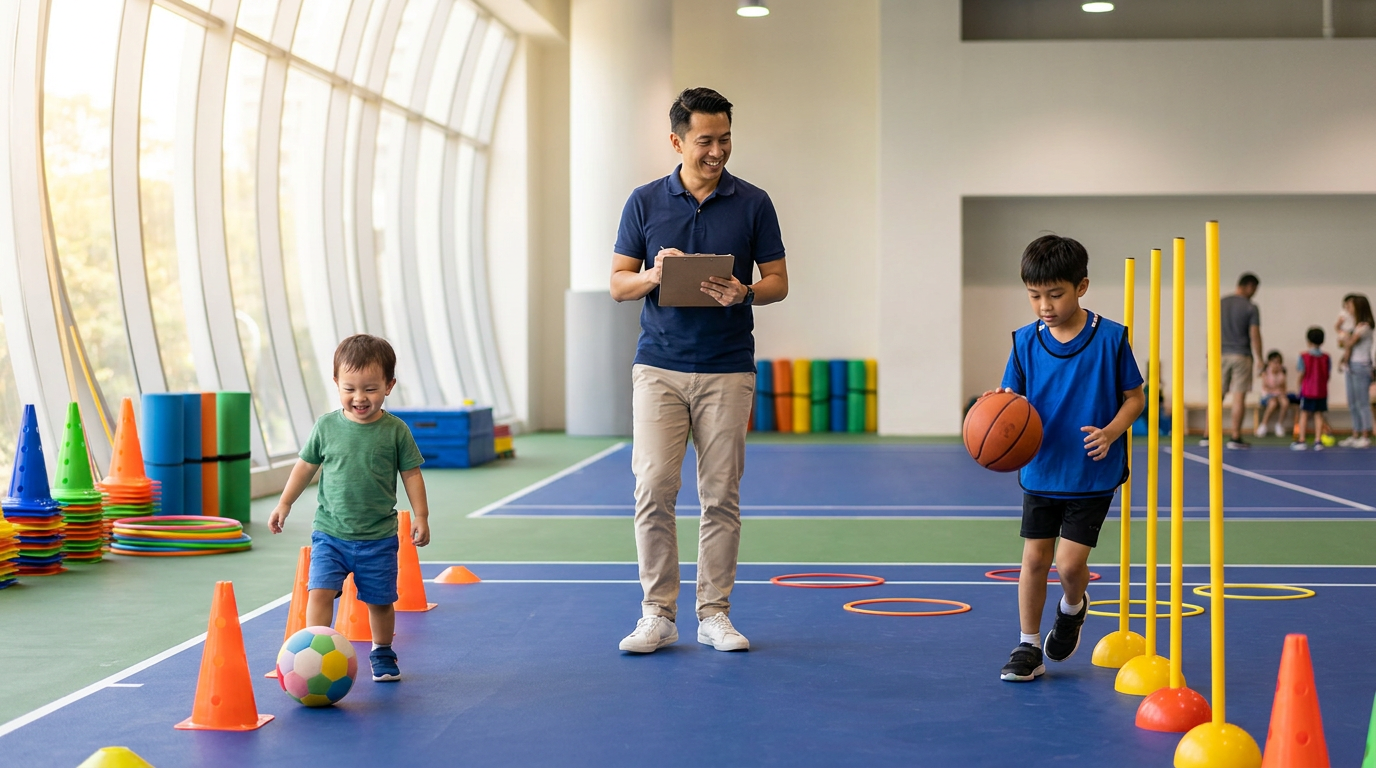
Programs that introduce basic movement patterns through play-based activities are ideal. Vivo Kids multi-sports programme exemplifies this approach, exposing young children to multiple sports and movement patterns in a developmentally appropriate way. Rather than specializing early, young children benefit from diverse movement experiences that build a broad athletic foundation.
At this stage, "team" activities are simple and loosely structured. Young children have limited ability to understand complex rules or coordinate strategies with peers. The focus should be on making movement fun, building basic skills, and developing positive associations with physical activity.
Early Elementary (Ages 6-8)
This is often when children become ready for more structured team experiences. Their cognitive development allows them to understand rules, remember positions, and begin coordinating actions with teammates. Social awareness increases, making them more interested in peer relationships and group belonging.
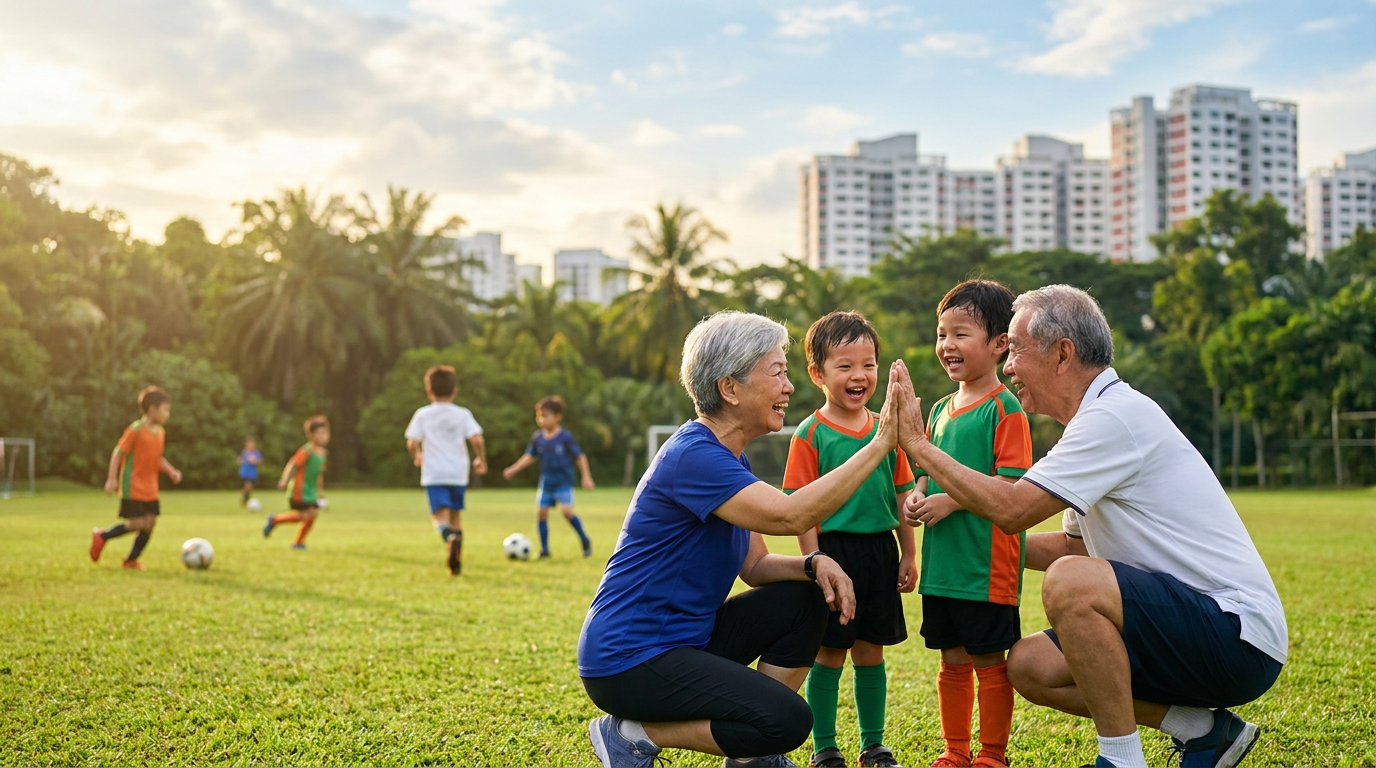
Many children this age thrive in team environments where they can build friendships while developing sport-specific skills. Vivo Kicks Academy offers age-appropriate soccer training that balances skill development with character building, perfect for this developmental stage.
That said, individual sports remain excellent options, particularly for children who are more introverted, highly focused, or who have had negative early team experiences. Swimming, martial arts, and gymnastics allow these children to build competence and confidence at their own pace.
Late Elementary and Pre-Teen (Ages 9-12)
By this age, children have developed the physical coordination, cognitive capacity, and emotional maturity to excel in either team or individual sports. Their preferences often become clearer, influenced by personality, previous experiences, and peer relationships.
This is also when competitive intensity often increases. Some children thrive on competition and actively seek higher-level team play or individual tournaments. Others prefer recreational participation focused on enjoyment and fitness rather than winning. Matching the competitive level to your child's temperament becomes increasingly important during these years.
Many experts recommend that children continue exposure to multiple sports rather than specializing exclusively in one activity. This approach reduces injury risk, prevents burnout, and allows children to develop diverse athletic skills while discovering their genuine interests.
Matching Sports to Your Child's Personality
While age matters, personality often plays an equally important role in determining which sports will feel most rewarding and sustainable for your child.
The Social Butterfly
Children who are naturally outgoing, who make friends easily, and who draw energy from group interactions often flourish in team sports. The social dimension isn't just a side benefit for these children; it's a primary motivator. They love the team rituals, the shared experiences, and the collective celebrations. Team sports satisfy their need for connection while channeling their energy productively.
The Independent Thinker
Some children prefer autonomy and find group dynamics draining or frustrating. These independent thinkers often appreciate the clarity of individual sports where their performance depends entirely on their own efforts. They enjoy setting personal goals, working independently toward mastery, and competing against their own standards rather than relying on others.
The Perfectionist
Children with perfectionist tendencies can succeed in either environment, but their experience will differ. In team sports, they learn valuable lessons about accepting imperfection in themselves and others, about how even flawed efforts can contribute to success, and about celebrating progress over perfection. However, team environments can also frustrate perfectionists when teammates don't share their standards.
In individual sports, perfectionists often find satisfaction in the precise skill development and clear progression pathways. However, they may also struggle more intensely with setbacks or plateaus since there's no team buffer to soften disappointment.
The Anxious or Sensitive Child
Children who experience anxiety or who are emotionally sensitive require particularly thoughtful consideration. Team sports can either help or hinder depending on the specific environment. A supportive team with an encouraging coach can help anxious children build confidence and feel less alone with their worries. Conversely, a highly competitive team environment with negative peer interactions can intensify anxiety.
Individual sports allow sensitive children to avoid the social complexity of team dynamics, but they also place all performance pressure squarely on their shoulders. The key for these children is finding environments (whether team or individual) that emphasize personal growth, provide emotional support, and maintain appropriate competitive intensity.
The Case for Multi-Sport Exposure
Increasingly, sports medicine specialists, child development experts, and coaches advocate for multi-sport participation rather than early specialization. This approach offers numerous benefits that transcend the team versus individual debate.
Reduced Injury Risk
Repeating the same movements year-round increases the risk of overuse injuries. Multi-sport participation allows different muscle groups to develop, gives overworked areas time to recover, and builds more balanced overall athleticism. A child who plays soccer in fall, swims in winter, and does gymnastics in spring develops diverse physical competencies while reducing strain on any single body system.
Broader Skill Development
Different sports develop different physical and cognitive skills. Soccer builds cardiovascular endurance and spatial awareness. Gymnastics develops body control and spatial orientation. Swimming builds upper body strength and breath control. Tennis develops hand-eye coordination and strategic thinking. Exposure to multiple sports creates more complete athletes with diverse capabilities.
Discovery of True Interests
Many children who specialize early do so based on parental preferences, early success, or limited exposure to alternatives rather than genuine interest. Multi-sport participation allows children to discover what they truly enjoy. A child might excel at and be encouraged toward basketball but discover that they actually love and are passionate about swimming once given the opportunity to try it.
Prevention of Burnout
Year-round participation in a single sport, particularly at competitive levels, significantly increases burnout risk. Children lose motivation, develop negative associations with an activity they once loved, or quit sports entirely. Variety keeps physical activity fresh and enjoyable, increasing the likelihood that children will maintain active lifestyles into adulthood.
Flexibility to Explore Both Team and Individual Experiences
A multi-sport approach naturally exposes children to both team and individual environments, allowing them to develop the distinct benefits of each. A child might participate in team soccer during the school year and individual swimming during summer, gaining collaborative skills and personal accountability in a balanced way.
Common Concerns Parents Face
When choosing between team and individual sports, parents often wrestle with specific concerns that deserve thoughtful consideration.
"My child is shy. Will team sports help or hurt?"
This depends on the specific environment more than the team structure itself. A well-coached team with inclusive values and supportive teammates can help shy children gradually build social confidence in a structured setting. The shared focus on the sport gives shy children a clear role and conversation topics with peers, which can ease social anxiety.
However, a chaotic or cliquish team environment can make shyness worse, leaving a child feeling isolated despite being surrounded by teammates. If choosing team sports for a shy child, prioritize finding a coach who actively builds inclusive team culture and a group of welcoming families.
Individual sports aren't necessarily easier for shy children, but they do remove the social performance pressure. Shy children can focus entirely on skill development without worrying about peer judgment or group dynamics.
"We can only afford one activity. Which provides more value?"
When resources are limited, consider which type of sport offers skills your child most needs to develop. If your child struggles socially and has few opportunities for peer interaction, a team sport might provide greater developmental value. If your child is surrounded by social opportunities but needs to build self-confidence and personal accountability, an individual sport might be more beneficial.
Also consider sustainability. Which type of activity will your child enjoy enough to maintain long-term? An affordable activity they love and continue provides more value than a more "beneficial" option they'll quit after one season.
"My child wants to quit their team mid-season. Should I let them?"
This common dilemma highlights a key difference between team and individual sports. In team settings, quitting mid-season affects teammates who are counting on that roster spot. Many parents use this as a teaching moment about commitment and following through on obligations to others.
However, this shouldn't mean forcing a genuinely miserable child to continue in an unhealthy situation. If a child is experiencing bullying, dealing with an abusive coach, or showing signs of significant distress, their wellbeing takes precedence over team commitment. The key is distinguishing between normal frustration and genuine problems.
In individual sports, mid-season quitting doesn't affect others in the same way, which provides more flexibility to step back from poor fits. However, children still benefit from learning to work through challenges rather than quitting at the first difficulty.
"Should we focus on sports my child is naturally good at or sports that challenge them?"
Ideally, both. Early success builds confidence and positive associations with sports participation. If a child shows natural aptitude for basketball, pursuing that can create empowering experiences of competence and achievement.
However, childhood is also the ideal time to develop skills outside natural strengths. A naturally fast child might benefit from gymnastics that challenges their flexibility and body control. A coordinated child might benefit from team sports that challenge their social skills even if they're already athletically competent.
The key is maintaining balance. Ensure that challenging activities don't completely overwhelm a child's sense of competence. Children need enough success to stay motivated while facing enough challenge to develop resilience.
Making the Right Choice for Your Family
Ultimately, the team versus individual sports decision should consider multiple factors specific to your unique situation.
Consider your child's input seriously. While you shouldn't let a five-year-old make every decision about their schedule, children often have valuable insights into what feels good to them. If your child consistently expresses preference for one type of activity, that preference deserves weight in your decision-making.
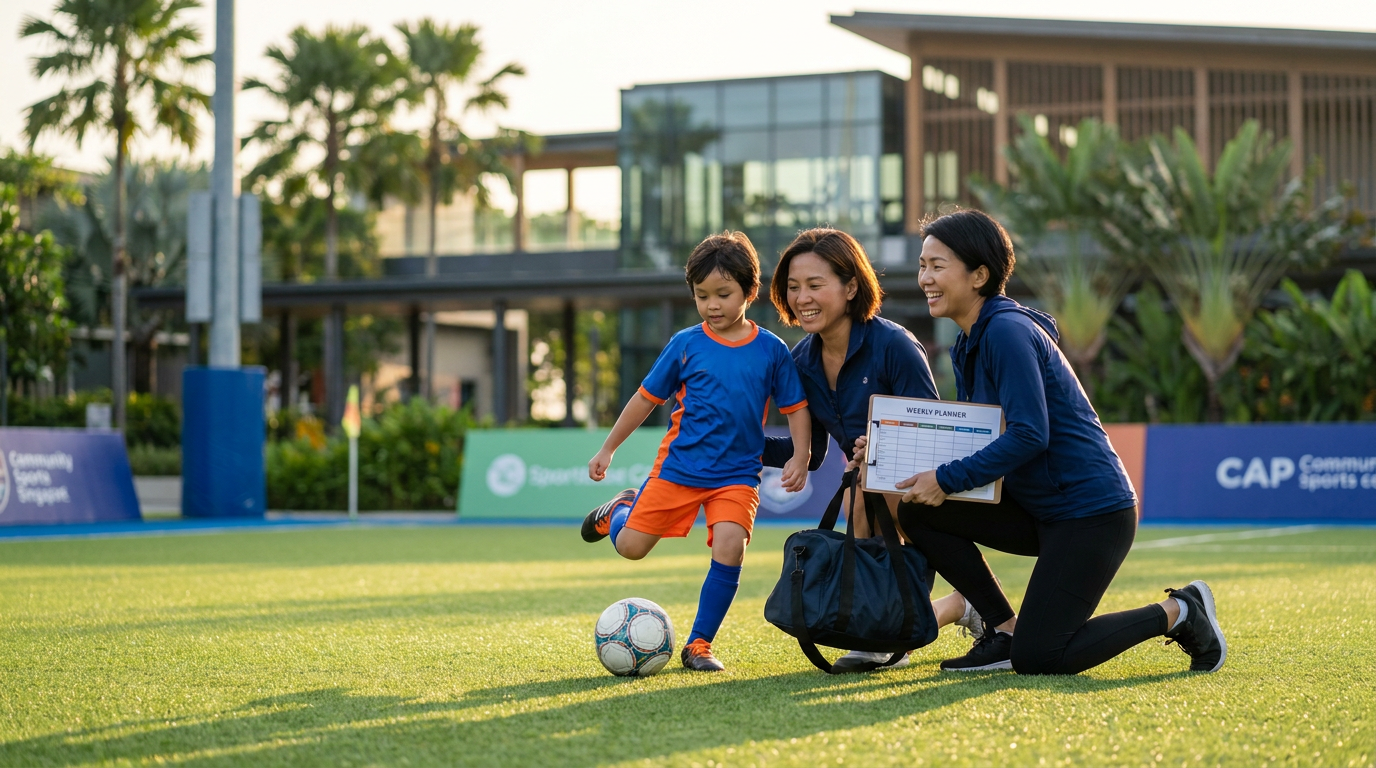
Start with lower commitment options. Before investing in expensive equipment or year-long commitments, try introductory programs or recreational leagues. This allows your child to explore options without excessive financial or time pressure. Many programs offer trial classes or drop-in sessions perfect for testing fit.
Prioritize the coaching and environment. The quality of coaching and team culture often matters more than whether an activity is team or individual. A skilled, supportive coach who creates an inclusive environment can make any sport beneficial. Conversely, a negative environment can make even the "perfect" sport choice problematic.
Remain flexible as your child develops. What works at age six might not work at age ten. Children's needs, interests, and personalities evolve. A child who thrived in individual sports might become more interested in team experiences as their social awareness develops. Stay open to changing course as your child grows.
Remember that some sport is better than no sport. In our quest to find the perfect activity, we can sometimes create analysis paralysis that prevents starting anything. The most important goal is helping your child develop a positive relationship with physical activity that will sustain them throughout life. Whether that happens through team soccer, individual swimming, or a combination of multiple activities is less important than the fundamental joy of movement.
At Vivo Kinetics, we believe that children thrive when given opportunities to explore diverse movement experiences in supportive, age-appropriate environments. Whether your child gravitates toward the collaborative energy of team sports or the focused development of individual pursuits, the foundation is the same: quality coaching, joyful participation, and programs designed around children's developmental needs rather than adult competitive models.
The team sports versus individual sports debate doesn't have a definitive winner because both pathways offer tremendous value for developing children. Team sports build collaboration, communication, and shared emotional experiences. Individual sports cultivate personal accountability, self-reliance, and intrinsic motivation. The "better" choice depends entirely on your child's age, personality, developmental needs, and your family's circumstances.
For most children, the ideal approach involves exposure to both types of activities at different points in their development. A multi-sport pathway builds diverse physical skills, reduces injury risk, prevents burnout, and allows children to discover their genuine interests rather than being locked into early choices.
As you navigate these decisions, remember that the ultimate goal isn't creating an elite athlete or checking boxes on a developmental checklist. It's helping your child build a joyful, sustainable relationship with physical activity that supports their health, confidence, and wellbeing throughout life. Whether they find that joy on a soccer field surrounded by teammates or in a pool racing against their personal best time matters far less than the fact that they've found it at all.
Ready to give your child the benefits of both team collaboration and individual skill development? Vivo Kinetics offers age-appropriate programs that nurture every aspect of your child's growth. Explore our Vivo Kids multi-sports programme for comprehensive movement education or our Vivo Kicks Academy for soccer-specific training. Discover how we create environments where children don't just play sports—they build confidence, develop character, and discover the joy of movement. Learn more about our programs and find the perfect fit for your child today.
Comments