


Preschool Holiday Camps: What to Expect for Ages 3-6
Table Of Contents
Why Holiday Camps Are Different for Preschoolers
What Happens During a Typical Day
Activities Designed for Young Learners
Social and Emotional Development
Physical Skills Your Child Will Build
How Coaches Support Your Little One
Preparing Your Child for Camp
What to Pack and Bring
Signs Your Child Is Thriving
Choosing the Right Camp for Your Preschooler
Watching your little one take their first steps toward independence can stir up a mix of excitement and worry. Holiday camps for preschoolers offer a wonderful opportunity for children aged 3 to 6 to explore, play, and grow in a structured yet nurturing environment. But if you've never enrolled your child in a camp before, you probably have questions. What will they actually do all day? Will they be safe? How will they handle being away from you?
Preschool holiday camps are specifically designed with young children's developmental needs in mind. Unlike camps for older kids, these programs focus on play-based learning, shorter activity periods, and plenty of support from trained coaches who understand how to engage and encourage this age group. The goal isn't just to keep your child busy during school breaks but to create meaningful experiences that build confidence, develop fundamental movement skills, and foster social connections.
In this guide, we'll walk you through exactly what to expect when you enroll your preschooler in a holiday camp. From daily schedules to the types of activities your child will enjoy, you'll gain a clear picture of how these programs work and why they can be such a positive experience for your little explorer.
Why Holiday Camps Are Different for Preschoolers
Preschool holiday camps operate on a completely different framework than programs for older children. At ages 3 to 6, children are still developing basic motor skills, learning to follow instructions, and navigating the complex world of social interactions. Camp programs for this age group recognize these developmental realities and create experiences that match where your child is right now.
The activities are shorter and more varied because young children have limited attention spans. A typical activity might last 15 to 20 minutes before transitioning to something new. This keeps little ones engaged without overwhelming them. The environment is also more contained, with lower child-to-coach ratios to ensure each child receives the attention and support they need.
Another key difference is the emphasis on process over product. While older children might work toward mastering a specific sport or skill, preschool camps celebrate effort, exploration, and simply trying new things. Your child won't come home with a trophy, but they will come home with new experiences, growing confidence, and stories to share about their adventures.
What Happens During a Typical Day
Most preschool holiday camps follow a structured daily routine that provides predictability while keeping things fun and dynamic. Understanding this flow can help you prepare your child and ease any first-day jitters.
The day typically begins with a welcome circle or warm-up session. This helps children transition into camp mode, greet their coaches and friends, and get their bodies moving with simple stretches or fun movement games. It's a gentle start that sets a positive tone for the day ahead.
Throughout the morning and afternoon, children rotate through different activity stations. These might include ball games, obstacle courses, creative movement, music and dance, or outdoor exploration. Each station is designed to develop specific skills while keeping the experience playful and engaging. Transitions between activities are managed carefully, often with songs, games, or short breaks to help children refocus.
Snack and rest times are built into the schedule because young children need regular fuel and moments to recharge. These quieter periods also provide opportunities for social interaction in a more relaxed setting. Some camps include storytelling or calm activities during these breaks.
The day usually wraps up with a cool-down session where children gather together, reflect on what they enjoyed, and perhaps do a gentle stretching routine. This helps them transition from the excitement of camp back to going home with their families.
Activities Designed for Young Learners
Preschool holiday camps offer a rich variety of activities that target different aspects of your child's development. The best programs don't just fill time but intentionally design experiences that build fundamental skills through play.
Multi-sport activities introduce children to basic movements from various sports without the pressure of competition. Your child might practice kicking a soccer ball, throwing and catching, balancing, or simple running games. Programs like Vivo Kids specialize in these multi-sport experiences, helping children aged 2 to 6 develop core movement skills while discovering what types of physical activities they enjoy.
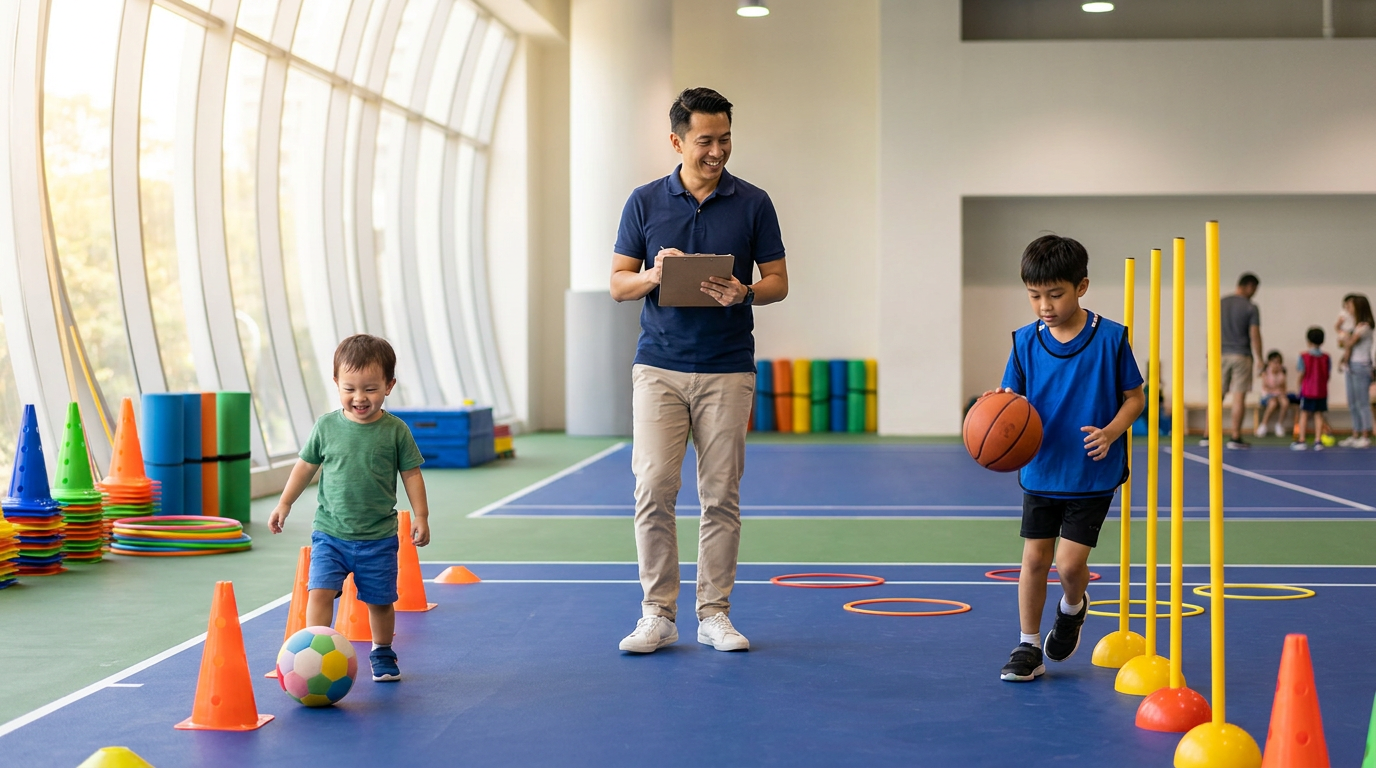
Obstacle courses and movement challenges are perennial favorites. These activities develop coordination, problem-solving, and physical confidence as children navigate tunnels, step over barriers, balance on beams, and complete fun challenges. The courses are age-appropriate and designed so every child can succeed while being gently challenged.
Creative movement and dance allow children to express themselves while developing rhythm, body awareness, and listening skills. Don't be surprised if your child comes home with a new favorite song or dance move they're eager to show you.
Team games and group activities teach cooperation, turn-taking, and following instructions. These might include parachute games, relay races adapted for young children, or collaborative challenges where everyone works together toward a common goal.
Some camps also incorporate themed days where activities revolve around a specific concept, like jungle adventures, superhero training, or ocean exploration. These themes add excitement and help children engage their imaginations while staying active.
Social and Emotional Development
One of the most valuable aspects of preschool holiday camps is the social and emotional growth that happens when young children spend time in a structured group setting outside their usual routine.
Your child will practice making new friends and interacting with peers in different contexts. Camp provides natural opportunities for children to approach others, join in play, share equipment, and navigate the give-and-take of group activities. These are skills that take time to develop, and camp offers a supportive environment for practice.
Following instructions from adults other than parents is another important developmental step. Camp coaches give directions, set boundaries, and guide activities, helping children learn to listen to and respect different authority figures. This builds independence and prepares children for future school experiences.
Preschoolers also develop emotional regulation at camp. When things don't go their way, when they feel frustrated, or when they need to wait their turn, they're learning to manage their feelings with support from caring coaches. These small moments of challenge, followed by encouragement and success, build resilience.
Many children experience separation from parents for extended periods at camp, which can be an adjustment. Quality programs understand this and have strategies to help children feel secure, from welcoming routines to comfort items to coaches who know how to provide reassurance.
Physical Skills Your Child Will Build
Physical development is at the heart of most preschool holiday camps, and the skills your child develops go far beyond just running around and burning energy.
Gross motor skills like running, jumping, hopping, balancing, and climbing form the foundation for all future physical activities. Camp activities target these fundamental movement patterns in fun, varied ways. Your child might not realize they're working on single-leg balance while playing a flamingo game, but they're building crucial physical capabilities.
Hand-eye coordination develops through catching, throwing, hitting, and kicking activities. These skills require practice and repetition, which camp provides in abundance through games and challenges that keep children engaged.
Body awareness and spatial orientation improve as children navigate obstacles, move in relation to others, and participate in activities that require understanding where their body is in space. This might seem simple, but it's a complex skill that develops through movement experiences.
Strength and endurance naturally increase as children stay active throughout the camp day. This isn't about pushing young bodies too hard but rather about building a foundation of physical capability that will serve your child well throughout their life.
For children who show particular interest in soccer, specialized programs like Vivo Kicks offer age-appropriate soccer training for ages 6 to 12, though many preschool camps include soccer-based activities as part of their multi-sport approach.
How Coaches Support Your Little One
The quality of coaches can make or break a preschool camp experience. The best coaches understand child development, know how to engage young learners, and create an environment where every child feels valued and capable.
Expert coaches trained in early childhood development bring knowledge about how preschoolers learn, what motivates them, and how to manage group dynamics with this age group. They know when to challenge and when to support, when to step in and when to let children work things out themselves.
These coaches use positive reinforcement and encouragement rather than criticism. They celebrate effort, improvement, and persistence, not just success. This approach helps build your child's confidence and creates positive associations with physical activity and learning.
Individualized attention is possible when child-to-coach ratios are appropriate for the age group. Good programs ensure that coaches can check in with each child, notice when someone needs extra support, and adapt activities to different skill levels within the group.
Safety and supervision are paramount. Coaches are trained to maintain a safe environment, anticipate potential hazards, and respond appropriately if a child is hurt or upset. They also understand the importance of clear boundaries and consistent routines that help young children feel secure.
Preparing Your Child for Camp
A little preparation can help your child approach camp with excitement rather than anxiety. Start conversations about camp a week or two before it begins, but not so far in advance that your preschooler loses interest or builds up worry.
Talk about what will happen in simple, positive terms. Explain that they'll play games, make friends, and try fun activities with coaches who are there to help them. If possible, show them pictures of the camp location or talk about any coaches or children they might already know.
Practice the routine if your child will be doing something new, like carrying their own backpack or eating snack independently. Role-playing can help children feel more prepared and confident.
Address separation anxiety honestly but optimistically. Acknowledge that it's okay to miss you but emphasize that you'll always come back to pick them up. Establish a goodbye routine that's brief and positive rather than drawn-out.
Involve your child in preparations by letting them help choose what to pack or pick out a special water bottle. This gives them some control and builds investment in the experience.
Avoid asking "Did you have fun?" which can feel like pressure. Instead, ask specific questions like "What was your favorite game today?" or "Who did you play with?"
What to Pack and Bring
Packing appropriately ensures your child is comfortable and ready for an active day of camp. Most preschool camps provide a packing list, but here are the essentials:
Comfortable, active clothing: Choose clothes your child can move freely in and that you don't mind getting dirty or sweaty. Elastic waistbands are easier for bathroom independence than buttons or zippers.
Closed-toe sports shoes: Proper footwear is essential for safety and comfort during physical activities. Shoes should fit well and be suitable for running and playing.
Water bottle: Staying hydrated is important, especially during active play. Choose a bottle your child can open independently or a style the coaches can easily help with.
Healthy snacks: If snacks aren't provided, pack nutritious options that give sustained energy. Avoid anything too messy or that requires elaborate preparation.
Sun protection: Sunscreen, a hat, and sunglasses if activities are outdoors. Apply sunscreen before camp and send more if it's a full-day program.
Extra clothes: Accidents happen, and active play can lead to unexpected messes. A complete change of clothes provides peace of mind.
Comfort item: For younger children or those new to camp, a small comfort item from home can provide reassurance during the day.
Label everything with your child's name. In the chaos of camp, items can easily get mixed up, and clear labeling helps everything find its way home.
Signs Your Child Is Thriving
How do you know if camp is a positive experience for your preschooler? Look for these indicators that your child is benefiting from their time at camp.
Enthusiasm about going is the most obvious sign. If your child is excited to go to camp or talks positively about their experiences, that's a great indicator. Even children who are initially hesitant should gradually warm up to the routine.
Sharing stories and details about camp activities, friends they've made, or games they've played shows engagement and connection. These conversations give you insight into what's resonating with your child.
Demonstrating new skills at home, whether physical movements, songs, or social behaviors, indicates your child is learning and internalizing experiences from camp.
Improved confidence in physical activities or social situations suggests camp is helping your child grow. This might show up as more willingness to try new things or greater independence in various contexts.
Healthy tiredness at the end of the camp day is normal and expected. Your child should be pleasantly tired from active play but not completely exhausted or overly cranky.
If your child seems consistently distressed, unwilling to go, or comes home upset, have a conversation with the camp coordinators. Sometimes small adjustments can make a big difference in a child's experience.
Choosing the Right Camp for Your Preschooler
Not all preschool holiday camps are created equal, and finding the right fit for your child makes a significant difference in their experience. Consider these factors when making your choice.
Age-appropriate programming is essential. Look for camps specifically designed for the 3-6 age group rather than programs that simply include preschoolers in broader age ranges. The activities, duration, and approach should match your child's developmental stage.
Qualified, experienced coaches who understand early childhood development create better experiences. Award-winning programs like those offered by Vivo Kinetics demonstrate a commitment to quality coaching and evidence-based approaches to children's fitness and development.
Clear philosophy and curriculum indicate thoughtful program design. The best camps can articulate how activities support physical, social, emotional, and cognitive development rather than simply providing childcare with activities.
Appropriate child-to-coach ratios ensure each child receives adequate attention and supervision. For preschoolers, look for ratios of around 6-8 children per coach, or even lower for the youngest participants.
Safe, suitable facilities matter for both physical safety and your peace of mind. Visit the location if possible to see where your child will spend their time.
Positive reviews and recommendations from other parents of preschoolers can provide valuable insights into how a camp actually operates day-to-day.
Alignment with your values and goals is important too. Whether you prioritize character development, physical skill-building, social interaction, or simply fun active play, choose a camp that shares your priorities.
Vivo Kinetics' Camposaur holiday camps bring together all these elements, offering preschoolers a safe, nurturing environment where they can explore movement, build confidence, and develop across all areas—intellectual, social, emotional, and physical. As recognized leaders in children's health and fitness in Southeast Asia, their programs are built on expert coaching, age-appropriate curriculum, and a play-based philosophy that helps young children thrive.
Preschool holiday camps offer your child much more than just a place to play during school breaks. They provide structured opportunities for growth, learning, and connection in an environment designed specifically for young learners aged 3 to 6. From developing fundamental movement skills to building social confidence, the benefits extend far beyond the camp days themselves.
Understanding what to expect helps you prepare your child for success and choose a program that aligns with your family's needs and values. Look for camps with qualified coaches, age-appropriate activities, and a clear commitment to supporting the whole child's development through play-based experiences.
With the right preparation and the right program, your preschooler's camp experience can be a highlight of their school break and a meaningful step in their journey toward independence, confidence, and a love of active living.
Ready to give your preschooler an unforgettable holiday camp experience? Discover how Vivo Kinetics creates safe, nurturing environments where children aged 3-6 can explore, build confidence, and develop through play-based programs led by expert coaches. Learn more about our award-winning programs and upcoming camps.
Comments