


Bilateral Coordination Exercises for Kids: Building Essential Movement Skills Through Play
Table Of Contents
What Is Bilateral Coordination?
Why Bilateral Coordination Matters for Children
Signs Your Child May Need Bilateral Coordination Support
Age-Appropriate Bilateral Coordination Exercises
Toddlers and Preschoolers (20 Months to 4 Years)
Early Elementary (5 to 7 Years)
Older Children (8 to 12 Years)
Simple Bilateral Coordination Activities for Home
How Multi-Sport Programs Enhance Bilateral Coordination
Tips for Parents and Caregivers
Common Mistakes to Avoid
Have you ever watched a child struggle to use scissors, catch a ball with both hands, or coordinate their arms while swimming? These everyday challenges often stem from underdeveloped bilateral coordination—a fundamental motor skill that affects everything from tying shoelaces to riding a bicycle.
Bilateral coordination is the ability to use both sides of the body together in a coordinated way. It's a cornerstone of childhood development that impacts not just physical activities, but also academic performance, self-confidence, and daily independence. When children develop strong bilateral coordination, they move through their world with greater ease, competence, and joy.
The good news? Bilateral coordination can be developed and strengthened through playful, engaging exercises that children actually enjoy. In this comprehensive guide, we'll explore what bilateral coordination means, why it matters for your child's development, and share practical, age-appropriate activities you can incorporate into daily routines. Whether you're a parent looking to support your child's development at home or seeking structured programs that build these essential skills, you'll discover actionable strategies that make movement fun and purposeful.
What Is Bilateral Coordination?
Bilateral coordination refers to the ability to use both sides of the body simultaneously in a controlled and organized manner. This foundational motor skill involves three distinct types of movement patterns that children need to master as they grow.
Symmetrical movements occur when both sides of the body do the same action at the same time, like clapping hands, jumping with both feet together, or rolling a ball with two hands. Alternating movements involve both sides doing similar actions but in an alternating pattern, such as walking, running, or climbing stairs. Dominant-assistive movements happen when one hand leads an activity while the other supports it, like holding paper while cutting with scissors or steadying a bowl while stirring.
These coordination patterns don't develop overnight. They emerge gradually as children's brains build neural pathways that connect the left and right hemispheres. The corpus callosum, the bridge between brain hemispheres, strengthens through repeated bilateral activities, allowing both sides of the body to work together seamlessly. This neurological development is why consistent practice through play and movement is so valuable during the early childhood years.
Why Bilateral Coordination Matters for Children
Bilateral coordination forms the foundation for countless skills that children need throughout their lives. Understanding its importance helps parents and educators prioritize activities that build these capabilities.
Physically, bilateral coordination enables children to participate confidently in sports and recreational activities. Catching a ball, swimming, riding a bike, skipping rope, and kicking a soccer ball all require coordinated use of both sides of the body. Children with strong bilateral skills move with greater fluidity, balance, and control, which translates into athletic competence and willingness to try new physical challenges.
Academically, these motor skills directly impact classroom performance. Writing requires one hand to hold the paper steady while the other hand writes. Cutting with scissors, using a ruler, and manipulating learning materials all depend on bilateral coordination. Research shows that children with well-developed motor skills often demonstrate better focus, spatial awareness, and cognitive function—skills that support learning across all subjects.
Beyond physical and academic domains, bilateral coordination builds self-confidence and independence. Children who can dress themselves, prepare simple snacks, and participate in age-appropriate activities feel capable and competent. This sense of mastery contributes to positive self-esteem and willingness to tackle new challenges, creating a virtuous cycle of growth and development.
Signs Your Child May Need Bilateral Coordination Support
While every child develops at their own pace, certain signs may indicate that bilateral coordination deserves extra attention and practice.
Watch for difficulties with self-care tasks that require both hands working together. Struggling to button clothing, zip jackets, tie shoelaces, or use utensils effectively may signal coordination challenges. Similarly, avoidance of activities like cutting with scissors, coloring within boundaries, or catching balls might indicate that these tasks feel frustratingly difficult.
Movement patterns can also provide clues. Children who consistently favor one side of their body, have trouble crossing the midline of their body during play, or show awkward, uncoordinated movements during physical activities may benefit from targeted bilateral exercises. You might notice them switching hands frequently during tasks or using only one hand when two would be more effective.
If you observe these patterns consistently and they seem to impact your child's confidence or participation in age-appropriate activities, consider consulting with a pediatric occupational therapist or enrolling them in structured movement programs that address these foundational skills.
Age-Appropriate Bilateral Coordination Exercises
The most effective bilateral coordination activities match children's developmental stages and feel like play rather than work. Here's how to support bilateral development at different ages.
Toddlers and Preschoolers (20 Months to 4 Years)
Young children develop bilateral coordination through simple, repetitive activities that engage their natural curiosity and desire to move.
Clapping games and songs provide rhythmic bilateral practice that toddlers love. Pat-a-cake, hand-clapping songs, and musical activities that involve tapping rhythm sticks together build symmetrical coordination. The social element and musicality keep young children engaged while they practice coordinating both hands.
Ball rolling and catching with large, soft balls teaches children to use both hands together. Start by rolling balls back and forth while sitting, then progress to gentle tosses and catches. Use beach balls or large playground balls that are easier for small hands to grasp and control.
Pushing and pulling activities naturally incorporate bilateral movements. Push toys, wagons, shopping carts, and toy lawn mowers encourage children to use both arms together. Pulling wagons with friends or stuffed animals inside adds purposeful play to the coordination practice.
Simple percussion instruments like drums, tambourines, and maracas invite bilateral exploration. Banging a drum with both hands, shaking maracas together, or tapping rhythm instruments develops coordination while supporting musical development.
Early Elementary (5 to 7 Years)
As children enter school age, their activities can become more complex and purposeful, building on earlier bilateral foundations.
Skipping and galloping are excellent alternating bilateral activities. Many children master these skills between ages 5 and 7, and they provide natural practice for coordinating opposite sides of the body. Make it playful by skipping to music, playing follow-the-leader, or creating obstacle courses that require different movement patterns.
Jumping jacks and similar exercises challenge children to coordinate arms and legs in opposite directions simultaneously. Start slowly, breaking down the movement into parts if needed, then gradually build speed and fluency. Turn it into a game by counting repetitions or doing jumping jacks to music.
Ball skills with smaller objects advance coordination challenges. Bouncing and catching basketballs, throwing and catching tennis balls with both hands, or playing catch with increasingly smaller balls refines bilateral control. Soccer dribbling with alternating feet builds lower-body coordination.
Craft activities provide purposeful bilateral practice. Cutting shapes from paper, stringing beads, lacing cards, and building with construction toys all require one hand to stabilize while the other manipulates. These activities integrate coordination development with creativity and problem-solving.
Older Children (8 to 12 Years)
Older children can handle sophisticated bilateral activities that often occur naturally through sports and recreational pursuits.
Swimming strokes are among the best bilateral coordination exercises for this age group. Freestyle, breaststroke, and backstroke all require coordinated alternating movements of arms and legs with proper breathing patterns. Swimming builds both symmetrical and alternating coordination patterns.
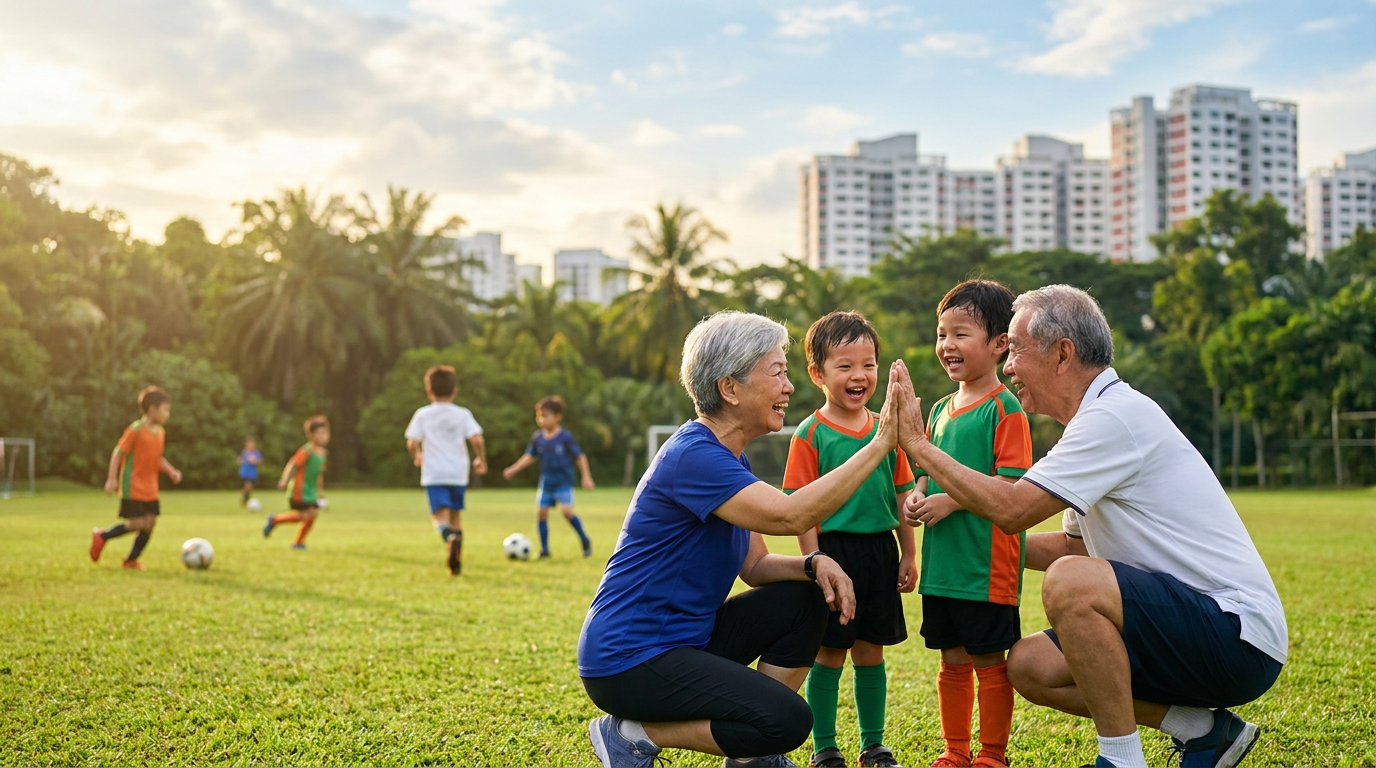
Sports-specific skills naturally develop bilateral coordination. Basketball dribbling with alternating hands, volleyball serving and setting, tennis forehands and backhands, and baseball pitching and catching all demand refined bilateral control. The Vivo Kicks Academy specifically develops these coordination patterns through age-appropriate soccer training that emphasizes both-footed skill development.
Jump rope activities challenge coordination at multiple levels. Jumping while turning the rope requires rhythmic bilateral coordination, and learning tricks like criss-crosses or double-unders adds complexity. Group jump rope games incorporate social elements that motivate continued practice.
Climbing activities on playground structures, rock walls, or rope courses require constant bilateral problem-solving. Children must coordinate hand and foot placements on opposite sides while maintaining balance and planning their route upward.
Simple Bilateral Coordination Activities for Home
You don't need special equipment or extensive training to support bilateral coordination development. These simple activities fit naturally into daily routines and family time.
Household tasks offer authentic bilateral practice. Children can help tear lettuce for salad (pulling with both hands), stir ingredients in bowls, sweep floors, wring out washcloths, or fold towels. These meaningful contributions to family life double as coordination exercises.
Dance parties in the living room encourage bilateral movement through playful music and rhythm. Encourage movements like marching, reaching up with both arms, side-to-side swaying, and crossing arms over the body's midline. Follow-along dance videos designed for children provide structured bilateral sequences.
Balloon volleyball uses a lightweight object that floats slowly enough for developing coordination. Children must track the balloon's movement and coordinate both hands to tap it upward or to others. The slow pace builds confidence while developing bilateral skills.
Yoga poses for kids incorporate bilateral coordination naturally. Poses like cat-cow (alternating spinal movements), warrior poses (coordinating arm and leg positions), and tree pose (balancing while positioning arms) all build body awareness and coordination.
Obstacle courses using pillows, furniture, and household items create bilateral challenges. Include activities like crawling under tables, stepping over cushions with alternating feet, walking along a tape line, and throwing bean bags into baskets. Change the course regularly to maintain interest and challenge.
How Multi-Sport Programs Enhance Bilateral Coordination
While home activities provide valuable practice, structured multi-sport programs offer systematic bilateral coordination development guided by experts who understand childhood motor development.
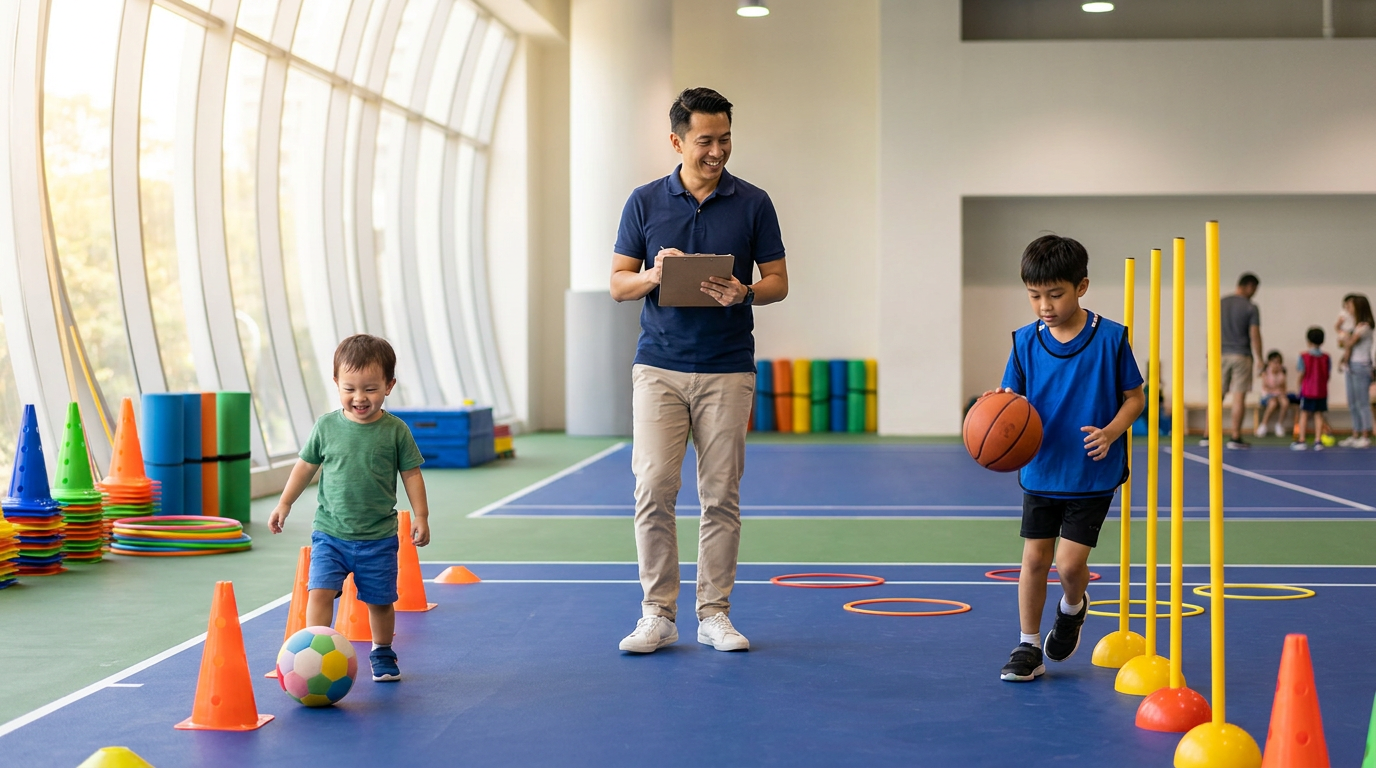
Multi-sport programs expose children to diverse movement patterns that build comprehensive bilateral skills. Unlike single-sport specialization, which can create repetitive movement patterns, multi-sport approaches ensure children develop coordination across various contexts. They might dribble a basketball one day, kick a soccer ball the next, and swing a bat the following week, building versatile bilateral capabilities.
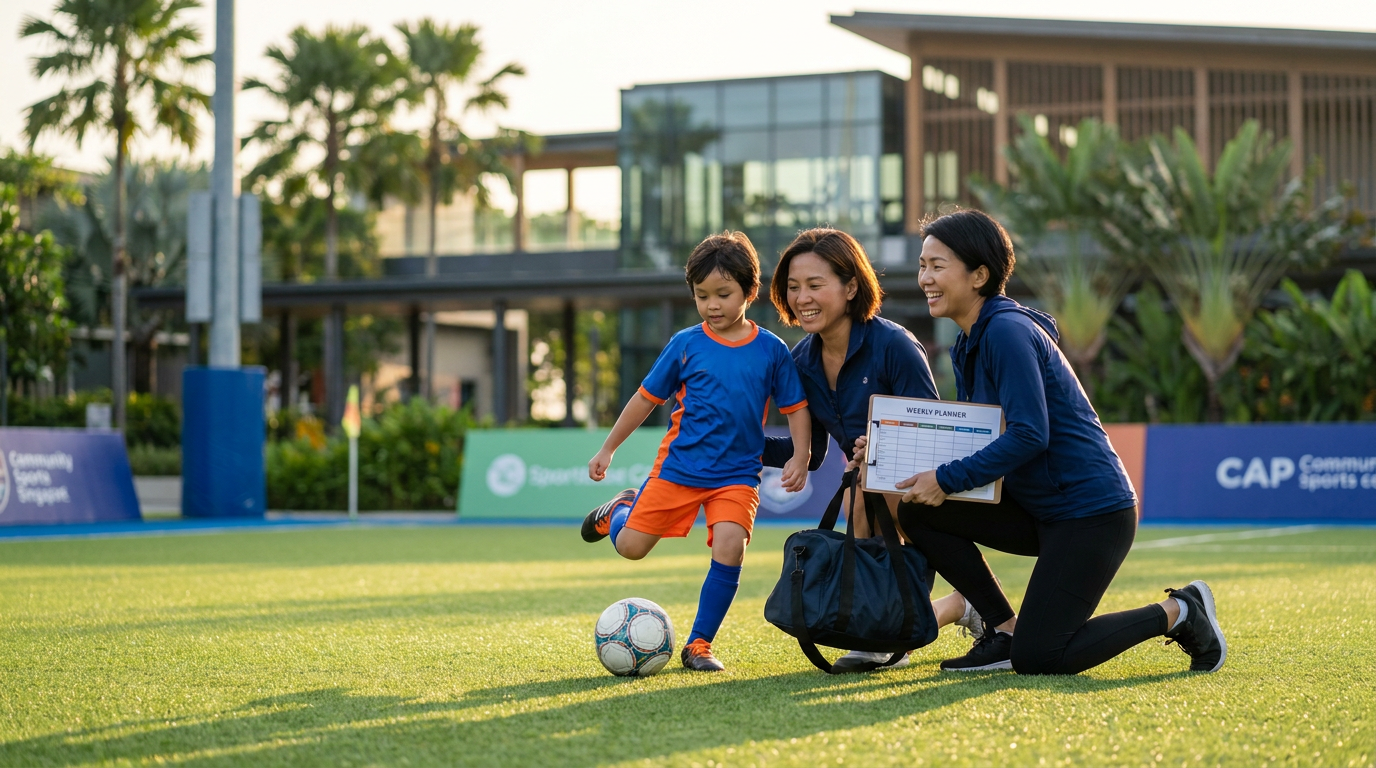
The Vivo Kids multi-sports programme specifically addresses bilateral coordination through developmentally appropriate activities designed for children ages 2 to 6. Their play-based curriculum incorporates fundamental movement skills like throwing, catching, kicking, and striking—all of which require bilateral coordination. Expert coaches create a supportive environment where children can practice these skills without pressure, building both competence and confidence.
For older children, continued multi-sport participation maintains and refines bilateral coordination as movements become more complex and sport-specific. Programs that emphasize proper technique, progressive skill development, and varied physical challenges ensure that coordination continues to develop throughout childhood.
Structured programs also provide social learning opportunities that home practice cannot replicate. Children observe peers attempting bilateral tasks, receive encouragement from coaches and friends, and develop persistence through playful challenges. This social-emotional dimension motivates continued practice and builds the resilience needed to master difficult coordination skills.
Tips for Parents and Caregivers
Supporting your child's bilateral coordination development requires patience, playfulness, and understanding of developmental principles.
Make practice playful and pressure-free. Children learn motor skills best when activities feel like games rather than drills. Follow your child's interests and energy levels, keeping sessions short and enjoyable. If an activity causes frustration, simplify it or return to it another day.
Celebrate effort over perfection. Bilateral coordination develops gradually through repeated attempts. Notice and praise your child's persistence, improved control, and willingness to try challenging activities. Avoid comparisons with siblings or peers, as children develop these skills at different rates.
Incorporate movement into daily routines. Rather than scheduling separate "exercise time," weave bilateral activities into everyday life. Walk to destinations when possible, involve children in household tasks, and prioritize outdoor play. These natural movement opportunities often provide the most meaningful practice.
Provide age-appropriate challenges. Activities should stretch your child's current abilities slightly without causing overwhelming frustration. If a task seems too difficult, break it into smaller steps or simplify the requirements. As skills improve, gradually increase complexity.
Model enthusiasm for movement. Children adopt attitudes about physical activity from the adults around them. When parents participate in bilateral activities with genuine enjoyment, children absorb the message that movement is fun, valuable, and lifelong. Dance together, play catch, and show your own willingness to try new physical challenges.
Common Mistakes to Avoid
Well-intentioned parents sometimes unknowingly hinder bilateral coordination development through common missteps.
Rushing development timelines creates unnecessary stress. Every child develops motor skills according to their own internal schedule, influenced by genetics, temperament, and experience. Pushing children to master coordination tasks before they're developmentally ready can diminish confidence and create negative associations with physical activity.
Over-reliance on screen time reduces opportunities for physical practice. While educational content has value, bilateral coordination develops through actual movement, not passive observation. Balance screen time with ample opportunities for active play that requires coordination.
Doing tasks for children that they could accomplish themselves limits practice opportunities. When adults tie shoes, open containers, or help with tasks children can manage with patience and time, they inadvertently reduce bilateral practice. Allow extra time for children to attempt age-appropriate self-care and household tasks independently.
Focusing exclusively on dominant-hand activities can create imbalances. While hand dominance naturally emerges, children benefit from activities that strengthen both sides of the body. Ensure play and activities include bilateral elements rather than only single-handed tasks.
Neglecting gross motor development in favor of fine motor skills creates an unstable foundation. Large movements like crawling, climbing, and throwing develop first and support later fine motor refinement. Prioritize big, whole-body bilateral activities, especially for younger children, before expecting precise fine motor control.
Bilateral coordination forms an essential foundation for children's physical, academic, and social success. These fundamental skills enable kids to move confidently through their world, master daily tasks independently, and participate joyfully in play and sports. The good news is that bilateral coordination can be developed and strengthened through playful, engaging activities that fit naturally into childhood.
Whether you're incorporating simple bilateral exercises into daily routines at home or seeking structured programs that systematically develop these skills, the key is making movement playful, purposeful, and pressure-free. Remember that every child develops at their own pace, and patience combined with consistent practice yields the best long-term results.
As you support your child's coordination development, celebrate small improvements, follow their interests, and prioritize the joy of movement over perfection. When children experience physical activity as fun, social, and confidence-building, they develop not just bilateral coordination, but a lifelong appreciation for active living.
Ready to Support Your Child's Movement Development?
Vivo Kinetics provides expert-led, play-based programs that develop bilateral coordination and essential movement skills in a supportive, fun environment. Our award-winning curriculum is designed by specialists who understand how children learn through play.
Whether your child is just beginning their movement journey or ready to refine sport-specific skills, we have programs tailored to their developmental stage:
Vivo Kids (ages 2-6): Multi-sport program focusing on fundamental movement skills including bilateral coordination
Vivo Kicks (ages 6-12): Soccer academy that develops both-footed coordination and sport-specific skills
Vivo Play: School-readiness program that builds the physical skills children need for classroom success
Discover how Vivo Kinetics can help your child build confidence, coordination, and a love of movement. Visit our website to learn more about our programs and find a class near you.
Comments