


Sports Program Insurance: What It Covers and Why It Matters for Your Child
Table Of Contents
Why Sports Program Insurance Is More Important Than You Think
The Real Risks in Children's Sports Programs
Key Types of Sports Program Insurance Coverage
General Liability Insurance
Participant Accident Insurance
Equipment Insurance
Directors and Officers (D&O) Insurance
Beyond the Policy: Risk Management and Child Safety
What Parents Should Ask Before Enrolling Their Child
How Reputable Programs Approach Safety and Protection
Frequently Asked Questions
When you sign your child up for a kids' soccer class or a multi-sport holiday camp, your mind is on the fun they're about to have—the new friends, the first kick of a ball, the grin at the end of a session. Insurance is probably the last thing on your mind. But for the organisations running those programs, and for the parents who trust them with their children, understanding sports program insurance is one of the most important pieces of responsible participation.
Sports are wonderful for children's development. They build coordination, confidence, resilience, and social skills. They also involve movement, physical exertion, and the occasional tumble. Even the safest, best-managed program carries some degree of inherent risk—and that's precisely why the right insurance coverage matters. It protects children, reassures parents, safeguards coaches, and ensures that a well-loved program can keep running even when the unexpected happens.
This guide breaks down what sports program insurance actually covers, why it's essential for any organisation working with children, what the key coverage types are, and what smart questions parents should be asking before they enrol.
Why Sports Program Insurance Is More Important Than You Think
Children's sports programs have grown significantly in recent years, evolving from casual weekend activities into structured, year-round commitments involving professional coaches, purpose-built curriculums, and large numbers of young participants. With that growth comes a corresponding need for structured protection. Youth athletics account for about a third of all childhood injuries, and one serious claim can erase years of fundraising and program-building. For program operators and parents alike, this is a reality worth taking seriously.
There's another dimension that's often overlooked: the financial and legal exposure for organisations that work with children. Minor children occupy a unique legal status that fundamentally affects insurance needs. Liability waivers signed by parents are often unenforceable against a child's own claims—meaning that a parent's signature on a registration form may not prevent their child from suing an organisation when that child reaches adulthood. The statute of limitations for minors' claims typically does not begin running until the child turns 18, meaning an injury suffered by a 10-year-old could generate litigation 10 to 12 years after the incident. This is not cause for alarm, but it is a compelling reason for programs to have robust, appropriate coverage from the very beginning.
For parents, knowing that a program carries the right insurance also speaks volumes about its professionalism. Having proper insurance coverage enhances program credibility, demonstrates commitment to safety, and can potentially lower premiums through effective risk management practices. In short, it's one of the clearest signals that an organisation takes its duty of care seriously.
The Real Risks in Children's Sports Programs
Every sport involves some element of risk, and children's programs are no exception. Understanding what can go wrong—and how often—helps frame why comprehensive coverage is so necessary. In children ages 14 and under, more than 3.5 million sports-related injuries occur each year that cause some loss of participation time, and organisations need proper risk management and insurance coverage to protect their administrators, coaches, and officials from being held liable.
In Singapore specifically, research shows that more young people are incurring risks of serious sports-related injuries as they pursue sports at a younger age. KK Women's and Children's Hospital (KKH) reported that the number of new ACL injury cases among youth under the age of 18 doubled, from 81 in 2021 to 162 in 2025. While severe injuries like these are uncommon in well-managed programs, they illustrate why protection cannot be an afterthought.
The most common liability risks that children's sports programs face include:
Participant injuries – Sprains, fractures, and collisions during practices, games, or drills
Spectator accidents – A parent slips on a wet floor or is struck by equipment near the playing area
Property damage – A child accidentally damages facility equipment or a third party's belongings
Negligence allegations – Claims that supervision was inadequate, equipment was unsafe, or emergency protocols weren't followed
Facility and equipment hazards – Poorly maintained surfaces, broken gear, or unsafe setups
Common liability risks include participant injuries, spectator accidents, property damage, negligence allegations, and weather-related incidents—all of which can be mitigated with proper insurance coverage. Understanding this landscape helps both parents and program operators make informed, proactive decisions.
Key Types of Sports Program Insurance Coverage
Sports program insurance isn't a single policy—it's a layered set of protections, each designed to address a different category of risk. Here is a breakdown of the most essential coverage types.
General Liability Insurance
General liability is the cornerstone of any sports program's insurance framework. Youth sports liability insurance coverage provides protection for coaches, volunteers, staff, officers, directors, teams, associations, or leagues against claims of bodily injury, property damage, personal and advertising injury, and the litigation costs to defend against such claims.
This type of coverage is not just a best practice—it is often a prerequisite. Most facilities require proof of liability insurance before granting usage permits, making it not just a protective measure but a necessary prerequisite for program operation. Without it, a program simply cannot access many venues. From a parent's point of view, the presence of general liability insurance means that if something goes wrong during a session and the program is found responsible, there is a financial mechanism to handle claims without the organisation collapsing.
Participant Accident Insurance
While general liability addresses what happens when the organisation is at fault, participant accident insurance covers the medical costs that individual children may incur from injuries—regardless of fault. Accident medical coverage is for medical expenses incurred as a result of an injury while participating in an insured activity, and it responds only to injuries sustained while that person is participating in the covered activity.
This is especially valuable because even the best primary health insurance can leave gaps. Even with strong primary health coverage, many families face high deductibles or out-of-network fees when dealing with sports-related incidents, especially during travel. Supplemental accident insurance bridges that gap and reduces financial strain. For parents, this coverage provides real peace of mind: if a child twists an ankle during a session, the costs of treatment—including physiotherapy—are supported.
Equipment Insurance
Sports programs rely on significant investments in equipment: balls, cones, training mats, goals, uniforms, and more. Sports equipment insurance covers the cost of replacing or repairing stolen or damaged uniforms, gear, and training equipment. Since sports equipment can be expensive, this insurance provides peace of mind for programs concerned about unexpected losses. Equipment coverage ensures that a theft, an accident, or damage on the road doesn't disrupt a program's ability to serve its participants.
Directors and Officers (D&O) Insurance
Many children's sports programs are run by small teams, volunteer committees, or parent boards. Youth sports organisations are typically governed by volunteer boards of parent volunteers. D&O insurance protects these individuals from personal liability for their governance decisions. Without D&O coverage, a board member who votes to hire a coach who later causes an incident can face personal financial exposure for that decision, even if it was made in good faith. This coverage is often overlooked but is critically important for the sustainability of a program and the confidence of those who dedicate their time to running it.
Beyond the Policy: Risk Management and Child Safety
Insurance is one half of the protection equation—the other half is proactive risk management. The organisations that weather difficult incidents are almost always the ones that combined strong coverage with sound safety practices. Insurance is half of protecting a program. The other half is risk management: the written plans that prevent claims and prove the organisation acted reasonably when one comes anyway. The two work together—a documented organisation is one that an insurer can defend.
For programs working with children, there are several non-negotiable safety practices that complement insurance coverage:
Qualified, vetted coaches – Every adult working with children should undergo background checks and reference verification before having contact with participants
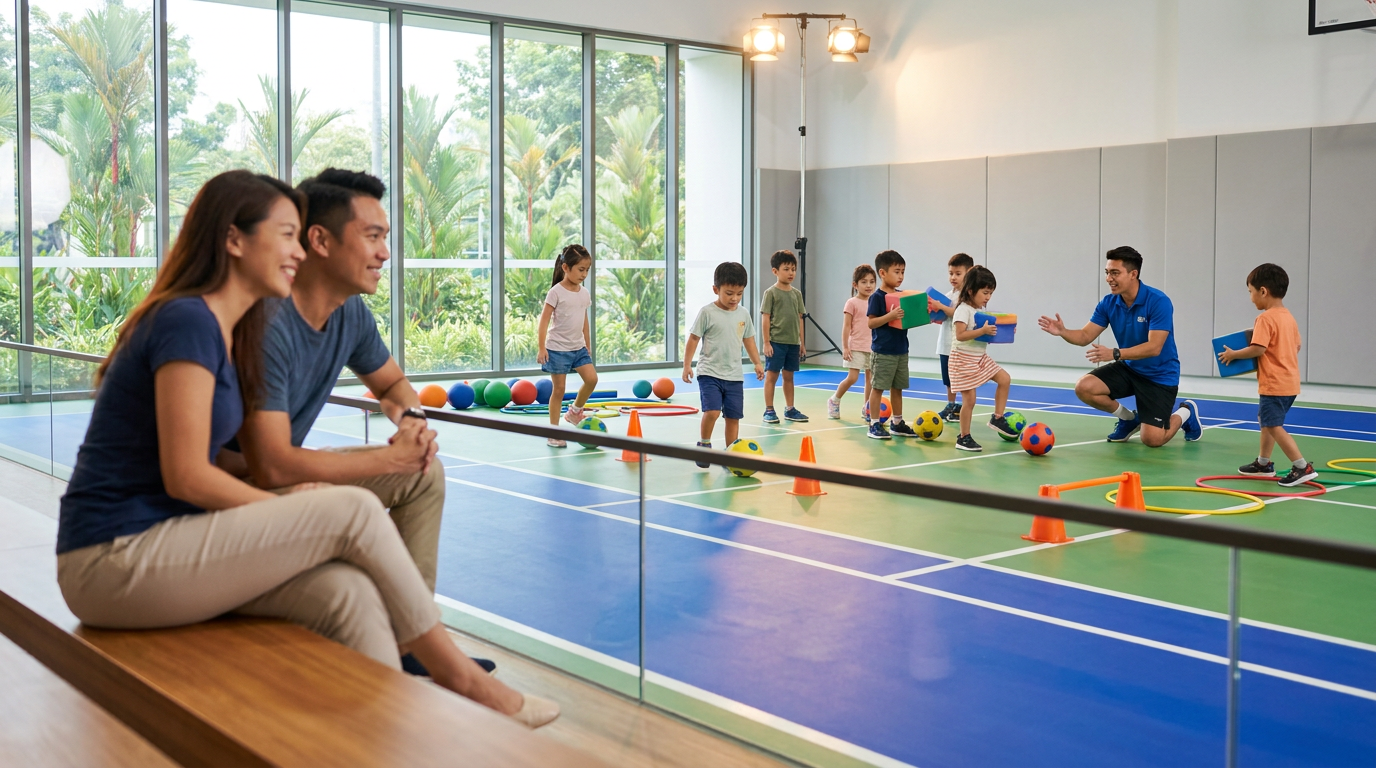
Appropriate supervision ratios – Industry best practice for youth fitness programs is 1 instructor per 10–12 children for active programming, with a minimum of two adults always present when children are in the facility
Emergency action plans – Written protocols for how to respond to injuries, medical emergencies, and other incidents
Documented incident reporting – Recording all incidents, however minor, so patterns can be identified and addressed
Participant consent and health forms – Consent forms explain the risks of participation and require parental acknowledgment, while health forms provide up-to-date information on a child's health, any prior injuries, and emergency contact information
Insurance can facilitate better training and safety protocols, as organisations that invest in comprehensive coverage are often more proactive about risk assessment and injury prevention. The two go hand in hand: safer programs have fewer claims, and programs that invest in safety are rewarded with more stable, sustainable operations.
What Parents Should Ask Before Enrolling Their Child
As a parent enrolling your child in a sports or fitness program, you have every right to understand what protections are in place. You don't need to become an insurance expert—a few clear questions will tell you most of what you need to know.
Questions worth asking any program:
Does the program carry general liability insurance, and what are the coverage limits?
Is there participant accident coverage for injuries during sessions, and does it extend to practices as well as events?
Are coaches and staff screened and qualified?
What is the supervisor-to-child ratio during sessions?
Does the program have a written emergency action plan?
How are incident reports handled, and who do parents contact if a child is injured?
A few clear questions will cover most of what matters: whether accident medical coverage is primary or secondary to your family health plan, what the per-incident limits and deductibles are, which activities are covered, and who to contact if a claim needs to be filed. You are not being an overprotective parent by asking these questions—you are being an informed one.
Having proper insurance coverage enhances program credibility, demonstrates commitment to safety, and can potentially lower premiums through effective risk management practices. A good program will answer these questions confidently and openly. Any hesitation or vagueness is itself a signal worth noting.
How Reputable Programs Approach Safety and Protection
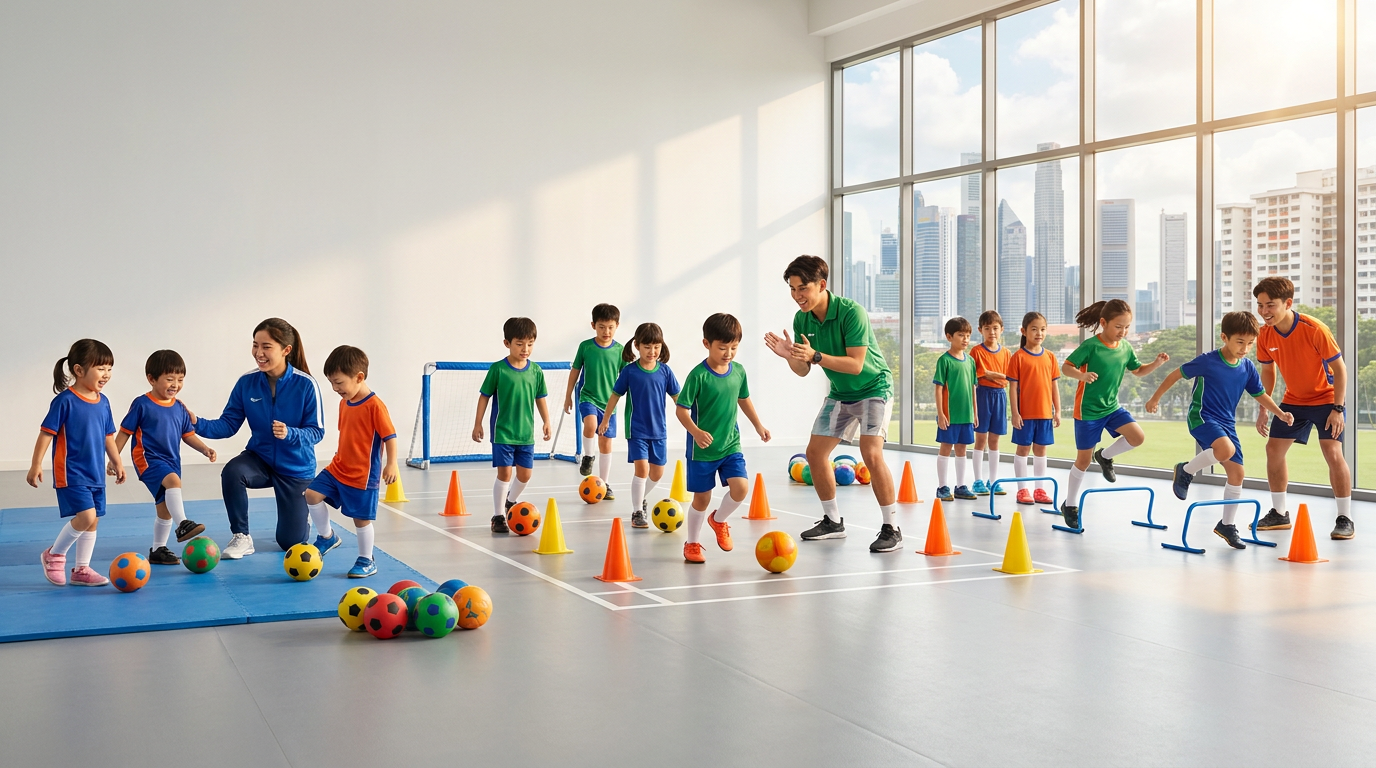
For organisations like Vivo Kinetics, safety and protection aren't simply items on a compliance checklist—they are built into the very foundation of how programs are designed and delivered. As an award-winning Singapore-based children's sports and fitness company recognised as Best Children's Multi-sport Programme 2024, Vivo Kinetics has developed its programs around age-appropriate curriculums, expert coaching, and environments where children feel genuinely safe to explore and grow.
The Vivo Kids multi-sports programme for ages 2 to 6, for example, is structured around movement literacy and character development—values that naturally align with a thoughtful approach to child safety. Rather than rushing children into competitive play before they're ready, Vivo Kids builds fundamental skills progressively, reducing the risk of overuse injuries and ensuring that every session is developmental, supervised, and appropriate for the stage of each child.
Similarly, the Vivo Kicks Academy for ages 6 to 12 operates with qualified coaches who bring not just technical expertise, but a genuine understanding of how to work with young athletes safely. When a program is staffed by professionals who know what they're doing, insurance coverage and injury prevention reinforce each other naturally.
This is the standard that sets quality programs apart from casual ones. A program's reputation hinges on its commitment to providing all participants with a safe and secure environment. For parents choosing where to invest their child's time and energy, that commitment—backed by structured programs, qualified coaches, and appropriate safeguards—is ultimately the most reassuring thing of all.
Frequently Asked Questions
Does my child's existing health insurance cover sports injuries?
It may cover some costs, but it often won't cover everything. Participant accident coverage fills the gaps left by regular health insurance—like deductibles and co-pays—when an injury occurs during sports. Most school or program sports insurance works as secondary coverage, meaning it pays for medical expenses after your family's primary health insurance. This helps cover deductibles, co-pays, and gaps that can quickly add up to thousands of dollars.
What is the difference between general liability and participant accident insurance?
General liability protects the organisation if it is held responsible for causing harm—covering legal costs, settlements, and third-party injury or property damage claims. Participant accident insurance, on the other hand, covers the medical costs for the child who is injured, regardless of who is at fault. Comprehensive protection requires multiple insurance types: General Liability, Participant Accident Insurance, and Directors and Officers insurance for complete organisational coverage. Both are important, and they work together rather than overlapping.
Should I ask to see proof of insurance before my child joins a program?
Yes, and any reputable program should be able to provide this readily. A certificate of insurance is a document provided by insurers that verifies coverage exists, and it is often required by facilities before granting usage permits. It is a reasonable, standard request that reflects your commitment to your child's safety—not any distrust of the program.
Sports program insurance might not be the most exciting topic in the world of children's sport—but it is one of the most important. It sits quietly in the background while your child runs, scores, laughs, and grows. And when something unexpected happens, as it occasionally does in any active setting, it means the focus stays where it belongs: on your child's recovery and wellbeing, not on legal disputes or financial strain.
The best programs understand this. They build safety into every session, invest in qualified coaching, maintain clear protocols, and ensure the right protections are in place for participants, parents, and staff alike. When you're choosing a sports or fitness program for your child, looking for that combination of professional safety culture and appropriate coverage is one of the smartest things you can do.
Children deserve the chance to play freely, explore their abilities, and fall in love with sport. The right protection makes sure nothing gets in the way of that.
Ready to explore a children's sports program built around safety, expert coaching, and genuine fun?
Visit Vivo Kinetics to discover our full range of programs—from the Vivo Kids multi-sports programme for ages 2 to 6, to the Vivo Kicks Academy for young footballers aged 6 to 12. We'd love to welcome your child into our community.

Comments