


Sports Safety for Kids: 10 Essential Rules Every Parent Should Know
Table Of Contents
Why Sports Safety Matters for Your Child's Development
Rule 1: Ensure Proper Warm-Up and Cool-Down Routines
Rule 2: Use Age-Appropriate Equipment and Gear
Rule 3: Prioritize Proper Hydration Before, During, and After Activity
Rule 4: Choose Programs with Qualified, Trained Coaches
Rule 5: Recognize and Respect Rest Days
Rule 6: Create a Safe Playing Environment
Rule 7: Teach Proper Technique from the Start
Rule 8: Monitor for Signs of Injury or Overexertion
Rule 9: Foster a Positive Sports Culture
Rule 10: Implement Age-Appropriate Training Loads
Building a Foundation for Lifelong Active Living
As a parent, watching your child run, jump, and play in sports activities brings immense joy. You see them building friendships, developing confidence, and discovering what their bodies can do. Yet alongside that pride comes a natural concern: how do you keep them safe while they explore their athletic potential?
Sports and physical activity are fundamental to healthy childhood development. They strengthen growing bodies, teach valuable life skills like teamwork and resilience, and establish habits that support lifelong wellness. However, with approximately 3.5 million children under age 14 receiving medical treatment for sports-related injuries each year, understanding how to protect your young athlete has never been more important.
The good news is that most childhood sports injuries are preventable with the right knowledge and precautions. Whether your little one is taking their first steps into organized activities or your pre-teen is developing serious athletic interests, these ten essential safety rules will help you create an environment where they can thrive physically, emotionally, and socially. From choosing the right programs to recognizing warning signs, we'll equip you with practical strategies that balance safety with the pure joy of movement and play.
Why Sports Safety Matters for Your Child's Development
Sports safety extends far beyond preventing bumps and bruises. When children participate in safe, well-structured athletic programs, they develop a positive relationship with physical activity that shapes their health for decades to come. Conversely, early negative experiences like injuries, burnout, or feeling unsafe can create lasting aversions to exercise and sports.
Research consistently shows that children who engage in regular physical activity demonstrate improved academic performance, better emotional regulation, and stronger social connections. They sleep better, manage stress more effectively, and develop self-confidence that transfers to other areas of life. However, these benefits only materialize when children feel secure, supported, and physically protected during their activities.
At the heart of sports safety is age-appropriate programming. Young children aren't simply miniature adults; their bodies, coordination, and cognitive abilities are still developing. What works for a twelve-year-old can be entirely inappropriate for a toddler. Quality programs recognize these developmental stages and design activities that challenge children within safe parameters, building skills progressively rather than pushing too hard too soon.
Rule 1: Ensure Proper Warm-Up and Cool-Down Routines
Even young children benefit tremendously from proper warm-up and cool-down routines, though these should look quite different from adult versions. A good warm-up gradually increases heart rate, improves blood flow to muscles, and prepares the body mentally for more vigorous activity.
For children ages 2-6, warm-ups should feel like play rather than exercise. Fun movement games like animal walks (bear crawls, bunny hops), gentle dancing, or follow-the-leader activities get little bodies moving while engaging their imaginations. These playful approaches naturally prepare muscles and joints without feeling like a chore. Programs like Vivo Kids incorporate movement preparation seamlessly into activities, making it an enjoyable part of the experience rather than a separate drill.
Older children participating in more structured sports benefit from 5-10 minutes of dynamic stretching and light cardiovascular activity before training begins. This might include jogging, skipping, or sport-specific movements performed at lower intensity. Static stretching (holding stretches in place) is actually less effective before activity and better suited for cool-downs.
Cool-down periods help young bodies transition back to rest, reducing muscle soreness and teaching children to listen to their bodies. Even just 3-5 minutes of walking, gentle stretching, or breathing exercises helps normalize heart rate and provides a natural conclusion to activity time.
Rule 2: Use Age-Appropriate Equipment and Gear
Protective equipment serves as your child's first line of defense against injury, but only when it's properly fitted, age-appropriate, and consistently used. Ill-fitting gear can actually increase injury risk while creating discomfort that discourages participation.
For contact and impact sports, never compromise on these essentials:
Helmets: Must be sport-specific (bike helmets don't work for skating), properly fitted, and replaced after any significant impact or every few years as your child grows
Mouthguards: Protect teeth and reduce concussion risk; custom-fitted versions offer superior protection compared to boil-and-bite options
Protective padding: Shin guards for soccer, elbow and knee pads for skating, and appropriate padding for other sports should fit snugly without restricting movement
Proper footwear: Sport-specific shoes provide necessary support and traction; general sneakers often lack the stability children need for particular sports
For younger children in multi-sport programs, equipment needs are typically simpler but equally important. Well-fitted athletic shoes with good support, comfortable clothing that allows free movement, and weather-appropriate gear form the foundation. Avoid clothing with drawstrings or loose parts that could catch on equipment.
Regularly inspect all equipment for wear and damage. Children outgrow protective gear quickly, so reassess fit every season. Remember that hand-me-down helmets and other safety equipment may have unseen damage or may not meet current safety standards.
Rule 3: Prioritize Proper Hydration Before, During, and After Activity
Children are more susceptible to dehydration and heat-related illness than adults. Their bodies generate more heat relative to their size, they have less efficient sweating mechanisms, and they often don't recognize thirst signals until dehydration has already begun.
Establish a hydration routine that becomes second nature. Children should drink water 1-2 hours before physical activity, take regular water breaks every 15-20 minutes during activity (even if they don't ask), and rehydrate thoroughly afterward. For most childhood activities lasting under an hour, water is the ideal beverage. Sports drinks are generally unnecessary and add extra sugar that children don't need.
Teach your child to recognize dehydration symptoms: unusual fatigue, dizziness, dry mouth, decreased performance, or reduced urination. Dark yellow urine is a simple indicator that more fluids are needed. In hot weather, increase water breaks and watch carefully for signs of heat exhaustion.
Make hydration fun for younger children by letting them choose a special water bottle, adding fruit slices for flavor, or creating "water break games" that incorporate drinking into play. When hydration becomes part of the routine rather than an interruption, children develop healthy habits that serve them throughout life.
Rule 4: Choose Programs with Qualified, Trained Coaches
The right coach can transform your child's sports experience, while the wrong one can create lasting negative impacts. Quality coaching goes far beyond knowing the sport; it requires understanding child development, age-appropriate training methods, and how to create psychologically safe environments.
When evaluating programs, look for coaches with recognized certifications in their sport and, ideally, additional training in child development or education. They should demonstrate clear knowledge of age-appropriate skill progression and safety protocols. Watch how they interact with children during trial sessions. Do they encourage effort over outcomes? Do they create an inclusive environment where all skill levels feel welcome?
Quality programs maintain appropriate coach-to-child ratios that allow for proper supervision and individual attention. For young children, smaller groups ensure that instructors can monitor technique, spot potential hazards, and respond quickly to needs. The Vivo Kicks Academy exemplifies this approach with expert coaches who understand how to develop soccer skills while prioritizing safety and age-appropriate progression.
Don't hesitate to ask about safety policies, emergency protocols, and coach background checks. Reputable programs welcome these questions and have clear answers readily available. They should have established procedures for injuries, clear communication channels with parents, and transparent policies about weather-related cancellations or modifications.
Rule 5: Recognize and Respect Rest Days
In our achievement-oriented culture, parents sometimes fall into the trap of believing that more training always equals better results. The reality, particularly for growing children, is quite the opposite. Rest days are when bodies actually grow stronger, skills consolidate, and the risk of overuse injuries decreases significantly.
Young children generally shouldn't participate in organized sports more than five days per week, and even that may be excessive for children under eight. Their growing bodies need recovery time to adapt to new demands. Rest doesn't mean complete inactivity; rather, it means varying activities and intensities. A child might attend soccer practice one day, enjoy free play at the park another, and have completely restful days mixed in.
Watch for signs of overtraining in your child: persistent fatigue, declining performance, increased irritability, frequent minor illnesses, or loss of enthusiasm for activities they usually enjoy. These warning signs often appear before serious overuse injuries develop. Encourage at least 1-2 days per week of complete rest from organized sports, allowing for gentle play or family activities instead.
Specialization in a single sport before adolescence significantly increases injury risk. Young children benefit most from varied movement experiences that develop different muscle groups, movement patterns, and skills. This variety not only reduces repetitive stress injuries but also creates more well-rounded athletes and supports overall physical literacy.
Rule 6: Create a Safe Playing Environment
The environment where children play directly impacts their safety. Before any activity begins, take a few moments to scan the area for potential hazards. Playing surfaces should be appropriate for the activity, free from debris, holes, or dangerous obstacles. Indoor facilities should have adequate spacing between activity areas and walls, with proper padding on hard surfaces.
Weather conditions require special attention. Extreme heat, cold, lightning, or poor air quality all necessitate modifications or cancellations. Reputable programs have clear weather policies, but parents should also trust their instincts. If conditions seem unsafe, it's perfectly appropriate to skip a session or request modifications.
For home practice or backyard play, set up safe spaces deliberately:
Clear adequate room for the specific activity with buffer zones around play areas
Remove or pad hard edges and corners
Ensure proper lighting for visibility
Keep pets and younger siblings at safe distances during active play
Secure goals, nets, and equipment that could tip over
Teach children to be aware of their surroundings and to identify their own safety concerns. Even young children can learn to notice things like wet surfaces, broken equipment, or obstacles in their path. This awareness becomes an important life skill that extends beyond sports.
Rule 7: Teach Proper Technique from the Start
Poor movement patterns learned early can lead to both immediate injuries and chronic problems that emerge later. While perfection isn't the goal for young children, establishing fundamentally sound movement patterns from the beginning prevents compensatory habits that stress joints and muscles inappropriately.
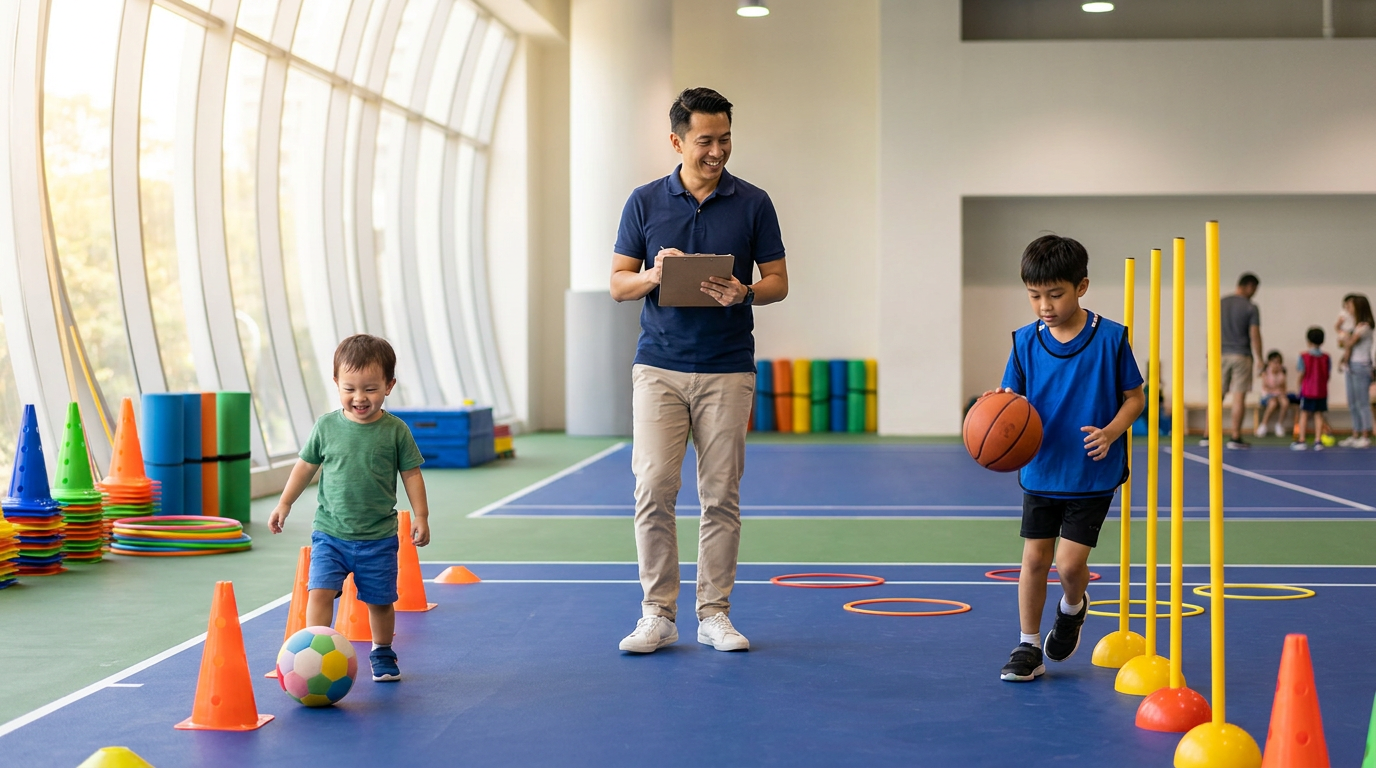
For very young children, this means focusing on foundational movement skills rather than sport-specific techniques. Running, jumping, throwing, catching, balancing, and kicking form the building blocks that support all future athletic development. Multi-sport programs excel at developing these fundamental movement patterns through varied, play-based activities that feel like games rather than drills.
As children mature and develop interest in specific sports, proper technique becomes increasingly important. This is where qualified coaching makes a tremendous difference. Coaches should break skills down into age-appropriate progressions, allowing children to master basics before advancing to more complex movements. They should regularly observe and gently correct form, explaining how proper technique helps performance and prevents injuries.
Parents can support technique development by avoiding the temptation to coach from the sidelines, especially if they lack expertise in the specific sport. Conflicting instructions confuse children and can undermine the coach-athlete relationship. Instead, encourage effort, ask your child what they learned, and reinforce the importance of listening to their coach's guidance.
Rule 8: Monitor for Signs of Injury or Overexertion
Children, particularly younger ones, don't always recognize or communicate pain and discomfort effectively. They may continue playing through injuries, not understanding the potential consequences. Parents and coaches must watch carefully for both obvious injuries and subtle signs that something isn't right.
Immediate red flags requiring prompt attention include:
Visible deformity, swelling, or bruising
Inability to bear weight or use a limb normally
Complaints of sharp or severe pain
Confusion, dizziness, or unusual behavior (potential concussion signs)
Difficulty breathing or chest pain
More subtle indicators might suggest developing problems:
Persistent complaints about the same area, even if pain seems mild
Gradual changes in performance or technique
Compensatory movements favoring one side
Reluctance to participate in activities they typically enjoy
Limping or stiffness, particularly after rest periods
Never encourage children to "play through pain." While some temporary discomfort during challenging activities is normal, pain signals that something is wrong. Teaching children to recognize and communicate about their bodies builds self-awareness and prevents minor issues from becoming serious injuries.
When injuries do occur, follow appropriate first aid protocols and consult healthcare providers as needed. Allow complete healing before returning to full activity, even if your child insists they feel fine. Returning too quickly often leads to reinjury or compensatory problems elsewhere.
Rule 9: Foster a Positive Sports Culture
Physical safety and emotional safety are inseparable. Children who feel anxious, pressured, or humiliated in sports environments experience stress responses that actually increase physical injury risk. Conversely, positive sports cultures where mistakes are learning opportunities and effort is celebrated create relaxed, confident children who perform better and stay safer.
Model positive sports behavior yourself. How you react to your child's performance, wins, losses, and mistakes shapes their entire sports experience. Celebrate effort, improvement, and sportsmanship over outcomes. Ask about what they enjoyed rather than whether they won. Show interest in their experience rather than critique their performance during car rides home.
Zero tolerance for bullying, negative coaching, or aggressive behavior protects children emotionally and physically. If you observe concerning dynamics in your child's program, address them directly with program leadership. Quality organizations take these concerns seriously and work to maintain positive environments for all participants.
Remember that the goal of childhood sports is developing healthy, confident, capable children who love moving their bodies. When we keep that priority clear, decisions about safety, competition level, and program selection become much simpler.
Rule 10: Implement Age-Appropriate Training Loads
Training load refers to the volume and intensity of physical activity. Appropriate loads challenge children enough to promote growth without overwhelming their developing systems. Too little activity fails to build strength and skills; too much leads to burnout and injury.
For children under six, "training" should be entirely play-based. Structured sessions might last 30-45 minutes, but the focus should be on exploration, fun, and varied movement rather than repetitive drills or conditioning. These young children naturally move intermittently, with bursts of activity followed by rest. Quality programs honor these patterns rather than forcing sustained effort.
As children mature, they can handle longer sessions and more structured activities, but increases should always be gradual. A general guideline is never to increase training volume by more than 10% per week. Sudden jumps in intensity or duration dramatically increase injury risk.
Pay attention to total activity load across all sports and activities. A child might handle soccer practice well in isolation, but adding swimming lessons, school PE, and weekend games could exceed their recovery capacity. Sometimes "less is more" produces better results and healthier, happier young athletes.
Building a Foundation for Lifelong Active Living
Implementing these ten safety rules creates more than just injury prevention; it establishes the foundation for a lifetime of healthy, joyful movement. Children who feel safe, supported, and successful in sports activities develop intrinsic motivation that sustains physical activity long after childhood.
The most effective approach combines vigilance with appropriate risk-taking. Completely eliminating all risk would mean eliminating the challenges that help children grow. Instead, we manage risks intelligently while allowing children the freedom to explore their capabilities, test their limits, and sometimes fail in safe environments where they can learn and try again.
Quality programs understand this balance intuitively. They create structured environments where children can be adventurous within appropriate boundaries, where coaches guide rather than control, and where the emphasis remains on development, enjoyment, and building capable, confident young people.
Your child's safety in sports activities requires attention, but it shouldn't require anxiety. By implementing these ten essential rules, you create protective structures that allow your child to explore, play, and grow with confidence. From ensuring proper warm-ups to choosing qualified coaches, from monitoring hydration to fostering positive sports cultures, each element contributes to experiences that are both safe and enriching.
Remember that your role as a parent is to facilitate, support, and protect while allowing your child the space to discover what they love about movement and sports. The goal isn't creating elite athletes; it's nurturing healthy, active children who carry positive relationships with physical activity throughout their lives.
As you navigate the world of children's sports, prioritize programs that share your commitment to safety, age-appropriate development, and the pure joy of play. When children feel secure, supported, and celebrated for their efforts, they naturally flourish in all aspects of their development.
Ready to Give Your Child a Safe, Fun Sports Experience?
At Vivo Kinetics, we understand that sports safety and child development go hand in hand. Our award-winning programs combine expert coaching, age-appropriate curriculum, and a nurturing environment where children can explore movement with confidence. Whether your little one is just beginning their active journey or ready to develop specific sports skills, we're here to support every step.
Discover our programs: - Vivo Kids: Multi-sport program for ages 2-6 focusing on fundamental movement skills and character development through play - Vivo Kicks Academy: Soccer academy for ages 6-12 that develops technical skills in a safe, supportive environment
Join Singapore's recognized leader in children's health and fitness. Explore our programs today and give your child the gift of healthy, active living in a safe environment where they can truly thrive.
Comments