


Sports Trial Classes for Kids: Why Trying Before You Commit Makes All the Difference
Table Of Contents
Why the Try-Before-You-Commit Approach Works
What a Sports Trial Class Actually Tells You
The Science Behind Sport Sampling for Young Children
What to Watch for During a Trial Class
How to Prepare Your Child (and Yourself) for a Trial
Multi-Sport vs. Single Sport: Choosing the Right Starting Point
Trying Vivo Kinetics: Programs Built for Exploration First
Frequently Asked Questions
Sports Trial Classes for Kids: Why Trying Before You Commit Makes All the Difference
Every parent has been there: you sign your child up for a term of classes based on a glossy brochure, only to spend the next eight weeks negotiating at the front door. It's a familiar story, and it costs more than just the term fees — it costs your child's enthusiasm for the very activity you were hoping they'd love. The good news is there's a smarter way to start.
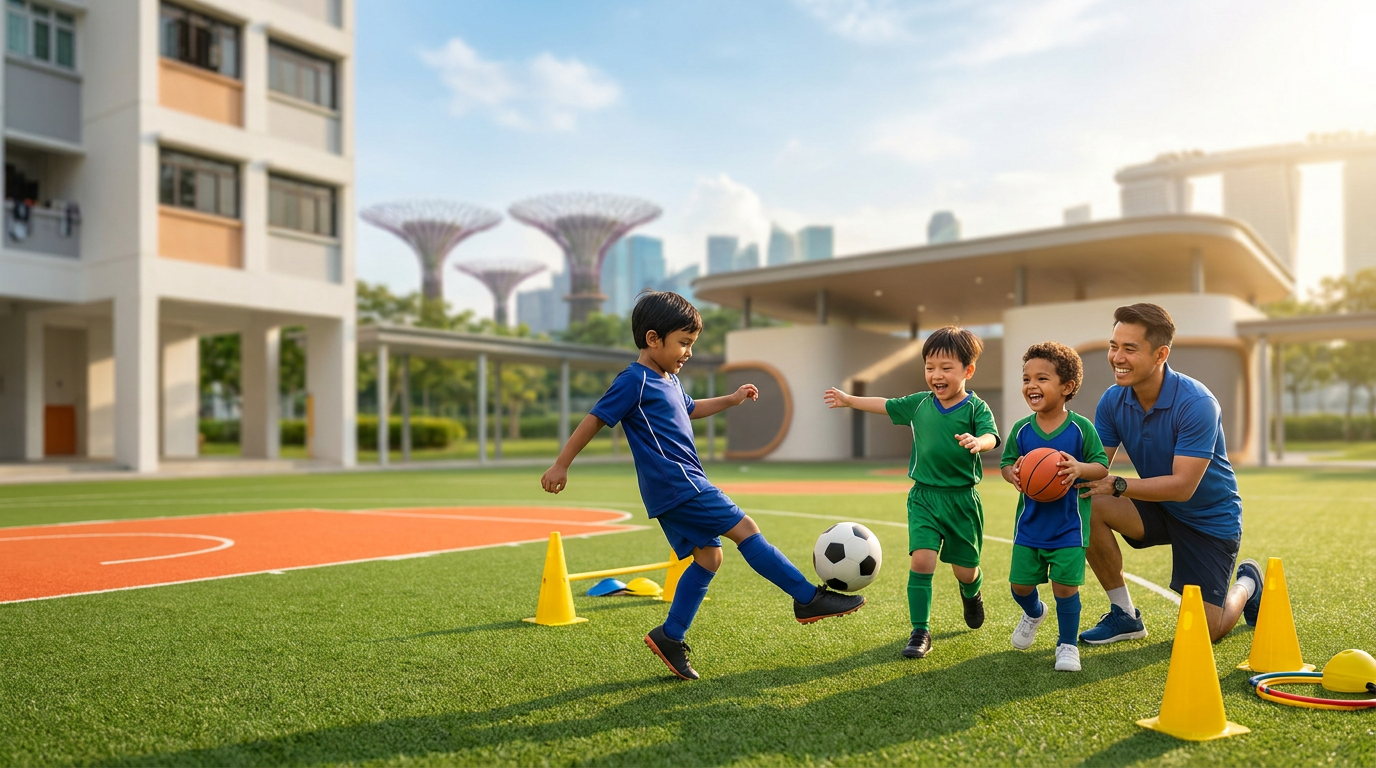
Sports trial classes give children a genuine, low-stakes opportunity to step onto the field, court, or mat before any long-term commitment is made. For parents navigating Singapore's busy enrichment landscape, a single well-spent trial session can save weeks of frustration and point the family in exactly the right direction. This guide explores why trial classes matter, what to look for when you attend one, how developmental science backs the try-first approach, and how programs like those offered by Vivo Kinetics are specifically designed to make that first experience a great one.
Why the Try-Before-You-Commit Approach Works
Choosing a children's sports program is genuinely more complex than it looks. You're not just selecting an activity — you're choosing a coach's communication style, a class culture, a group dynamic, and a curriculum philosophy, all at once. No amount of website browsing or word-of-mouth recommendations can substitute for watching your own child in that specific environment.
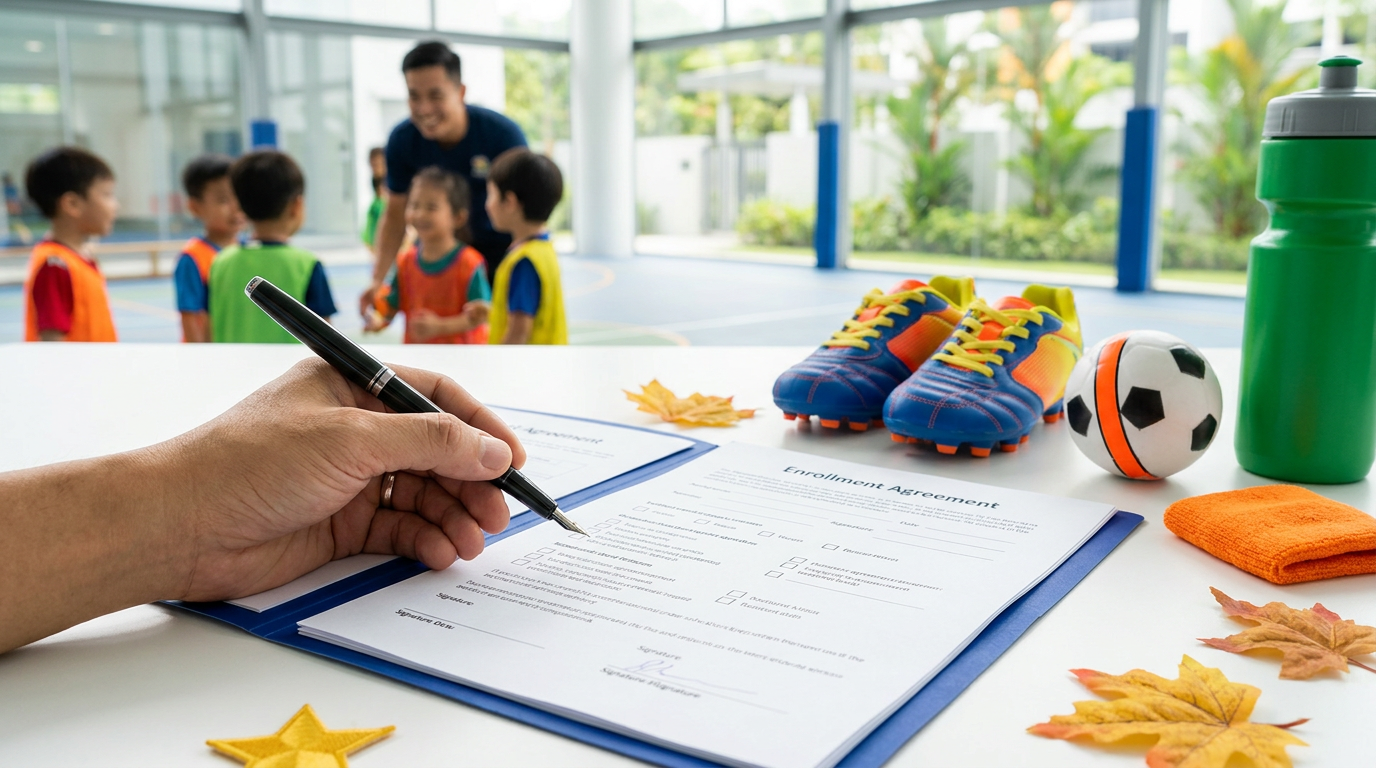
Trial classes are your single best tool, especially as a first-timer. Many providers offer a free or low-cost introductory session, and that one hour tells you far more than any glossy brochure. This is especially true for younger children, whose reactions in the moment are the most reliable data you'll ever have. A child who is smiling and asking to go back next week is telling you something no assessment form can replicate.
These trials benefit everyone: children can assess whether they enjoy the program, parents can evaluate quality and fit, and instructors can understand each child's starting point. That three-way benefit is precisely why reputable programs offer them confidently. A program that won't let you try before you commit is a program that isn't sure it can impress you on day one — and that's worth noting.
Financially, the try-before-you-commit model also makes practical sense. Parents sometimes spend hundreds of dollars before discovering that their child isn't interested after the third lesson. Instead, treating the first few months as exploration and taking advantage of opportunities that allow children to experience different activities without committing to a long-term membership is far more sensible. A trial session is a small investment that protects a much larger one.
What a Sports Trial Class Actually Tells You
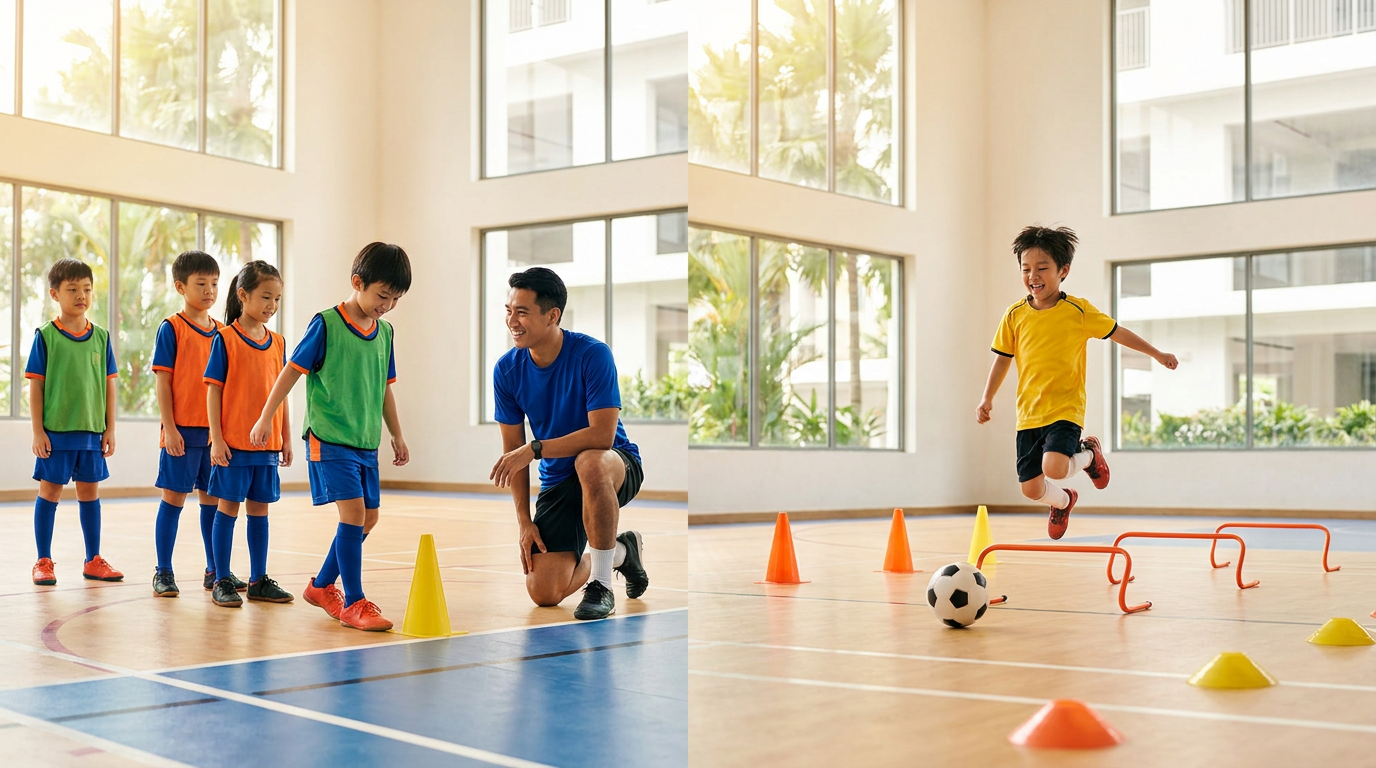
A well-run trial class is not a watered-down sample or a sales event. It is a full, structured session that gives both child and parent a real window into what regular classes will feel like. Sports and movement trials typically include basic skills assessment, group dynamics activities, and modified gameplay. Effective trials demonstrate progression pathways while ensuring children of all ability levels can participate meaningfully.
Beyond the curriculum, a trial class reveals things that no website copy can: how the coach handles a shy child, whether the group size allows for genuine individual attention, and whether the energy in the room feels encouraging rather than overwhelming. Watch how the coaches handle the youngest or most nervous children, whether the group size lets your child get real attention, and crucially, whether your child is smiling by the end.
It is also worth paying attention to the coach-to-child dynamic specifically. Sometimes it isn't the sport that discourages the child, but the coach. You may find the perfect sport for your child, which they seemed to enjoy in the beginning, but their interest deteriorated after attending the classes. Observing the relationship and bond between the coach and your child helps you decide if it's the right fit. A child who thrives is almost always a child whose coach has earned their trust.
Many people treat a trial class like a free sample. In reality, it is a two-way evaluation. The school is learning how to place you or your child in the right program, and you are learning whether the culture matches your goals. Walk in with that mindset and you'll get far more out of the experience than if you treat it as an obligation.
The Science Behind Sport Sampling for Young Children
The try-before-you-commit philosophy isn't just practical parenting wisdom — it is supported by a growing body of developmental and sports science research. The concept of "sport sampling," where children participate in a variety of activities before narrowing focus, has become the consensus recommendation among leading medical and sports organisations worldwide.
The American Academy of Pediatrics (AAP) recommends delaying specializing in a single sport until late adolescence, around 15 or 16 years old. By sampling multiple sports at early ages and specializing later, children have a greater chance of lifetime sports involvement, lifetime physical fitness, and accomplishing their athletic goals. This is a significant finding for Singapore parents who may feel the pressure to "commit early" in a competitive enrichment environment.
Sport sampling helps kids stay active longer. Research has shown that kids who sample sports have increased physical capacity and motor skills, an increased ability to translate those skills to other sports, stay in sports longer, and are more likely to build social-emotional skills through sports. In other words, the child who tries several activities before finding their passion is not falling behind — they are building a broader foundation that actually supports long-term development.
Early specialization — training in a single sport year-round before puberty — can raise the risk of overuse injuries, burnout, and mental health issues. For young children especially, the goal should be joyful movement, broad skill development, and a growing love of being active. The trial class model is the perfect entry point into that kind of healthy, exploratory start.
What to Watch for During a Trial Class
Armed with the right lens, a single trial session becomes remarkably informative. Here is what experienced parents and child development experts suggest you observe:
The coaching style. You want to see whether instructors can keep a class organised, correct negative attitudes quickly, encourage children, hold them accountable for negative behaviour, and praise their improvements. A great coach for young children is patient, uses simple language, and makes every child feel included — not just the most naturally athletic ones.
The group size and structure. Pay attention to how much coaching time your child is getting. If there are too many children in the class with no support, then it's very unlikely that your child will get any individual instruction or advice. Small class sizes and structured activities are strong positive signals.
Your child's body language. This is perhaps the most important thing to watch. Are they engaged or hanging back? Are they watching nervously or diving in? Even if they take half the session to warm up, does something eventually capture their attention? Don't worry if your child spends part of the trial watching. That's useful information, not a failed test. What matters is whether the environment feels safe, the instructor feels patient, and your child gets real chances to move.
Red flags to note:
The coach focuses only on the most capable children and loses the rest of the group
There is too much idle time or yelling, kids look anxious, and skills taught are clearly beyond most children in the group
Your child dreads the idea of returning (beyond first-session nerves)
No warm-up, no structure, and no apparent progression in the activities
Green lights to look for:
Children are moving for most of the session with minimal waiting around
The coach adjusts activities for different ability levels within the same group
Your child makes at least one small connection — with a drill, a piece of equipment, or another child
The session ends with your child asking when they can come back
How to Prepare Your Child (and Yourself) for a Trial
A little preparation goes a long way in making a trial class a positive experience, particularly for younger or more cautious children. The goal is to arrive calm, curious, and without the weight of expectation.
Before the session:
Talk to your child about what to expect in simple, excited terms: "We're going to try something new today and see if you like it!"
Avoid loading the session with pressure — set one simple goal: "Try it and tell me one thing you liked or didn't like."
Arrive a few minutes early. Arriving a little early gives you time to check in, meet the instructor, and settle nerves before class begins. For children, this is especially helpful.
Pack water and comfortable, movement-friendly clothes
During the session:
Resist the urge to coach from the sidelines or call instructions to your child during the class
Offer encouragement without adding pressure. Avoid overloading your child with advice on the day — sometimes, a simple "Do your best" is enough.
Use the time to observe the coaching style, environment, and class culture
After the session:
Keep the debrief light and open-ended: "Tell me one hard thing and one fun thing. Do you want to try again next week, or try something different?"
After the trial, take a moment to discuss the experience with your child. Celebrate their effort, regardless of the outcome.
If your child is unsure, give it a second session before drawing conclusions — first-day nerves are real and normal
Multi-Sport vs. Single Sport: Choosing the Right Starting Point
One of the most common questions parents ask when booking a trial class is whether they should start their child in a multi-sport program or go straight into a single-sport academy. The answer depends largely on age, but the developmental science points clearly in one direction for younger children.
For children under six, a multi-sport program is almost always the better starting point. Research is clear: young children shouldn't play organised, competitive sports. They should be learning through play, exploration, and fundamental movement skills in a fun and supportive environment. A multi-sport format lets them build the foundational movement vocabulary — running, jumping, throwing, catching, balancing — that underpins every sport they might ever play.
Try a couple of different sports before committing to a full term, particularly for under-sixes who benefit from sampling widely. It is completely normal, and even healthy, for a child to love football one term and beg for gymnastics the next. This is not indecisiveness — it's healthy developmental curiosity doing exactly what it should.
For children aged six and above, a degree of sport-specific interest often begins to emerge naturally. By this age many children are ready for sport-specific coaching, clearer progression and, for those who want it, friendly competition. But even here, the research supports keeping a second activity in the mix. Specialising too narrowly too soon can cause burnout and overuse niggles, so even keen kids benefit from a second, different activity.
Trial classes allow children to experience different sports before committing. Many parents find their children's natural enthusiasm emerges when they discover the right fit, making continued participation effortless rather than a constant negotiation. That naturally emerging enthusiasm — the child who runs to get their shoes, not the one dragged to class — is the real sign you've found the right program.
Trying Vivo Kinetics: Programs Built for Exploration First
At Vivo Kinetics, the philosophy behind every program starts from the same place: children learn best when they feel safe, engaged, and free to explore at their own pace. The try-before-you-commit approach isn't just a marketing offer — it's a reflection of how genuinely confident the coaches are in what they deliver.
Vivo Kids is Vivo Kinetics' multi-sport program designed for children aged 2 to 6. It's built around play-based learning that develops movement skills, confidence, and character through age-appropriate activities. For parents who want their young child to sample a range of sports without the pressure of committing to one discipline, Vivo Kids is the ideal starting point. Expert coaches lead each session with a nurturing approach that gives every child — whether bold or cautious — the space to grow.
Vivo Kicks is the soccer academy arm of Vivo Kinetics, catering to children aged 6 to 12. As children's natural sport preferences begin to solidify, Vivo Kicks provides structured, skills-focused football coaching in an environment that still prioritises enjoyment and character development alongside athletic progression. For the child who lights up at the sight of a football, this is where the journey gets exciting.
Both programs reflect Vivo Kinetics' award-winning approach to children's health and fitness, recognised as the "Best Children's Multi-sport Programme" and a "Recognised Leader in Children's Health and Fitness" in Southeast Asia. The team's expert coaches and age-appropriate curriculum create the kind of safe, nurturing environment that trial-class research consistently identifies as the gold standard — one where children explore, build confidence, and develop across intellectual, social, emotional, and physical dimensions.
The most important factors remain instructor quality, age-appropriate curriculum, safe and supportive environments, and programs that view children holistically rather than as miniature athletes. Award-winning organisations exemplify these principles, creating spaces where children can explore, build confidence, and develop a genuine love for active living.
Frequently Asked Questions
At what age should my child start sports classes? Many children begin parent-and-child movement classes from around two or three years old. Structured coaching typically becomes more suitable from around four to six years, depending on the activity and the child's readiness. At younger ages, the focus should be on fun, exploration, and developing basic movement skills rather than competition.
What if my child is shy or refuses to join in during the trial? This is very common and is not a sign the class is the wrong fit. Give your child a session or two to warm up. A quality coach will recognise a shy child and gently draw them in without forcing participation. The standard to hold is not whether your child was the most engaged child in the room on day one — it's whether the coach made them feel welcome and safe.
How many trial classes should we try before committing? Try a couple of different sports before committing to a full term, particularly for under-sixes who benefit from sampling widely. There's no fixed number, but giving each sport at least one genuine session — ideally more — before ruling it out is a sensible approach.
Is it bad to let my child switch sports frequently? Not at all, especially for young children. Data shows that if kids commit to a sport too young, before they truly have a desire for it, they might give up on it just as they enter their adolescent years, when they need it most. Allowing early exploration protects long-term engagement.
Ready to Find the Right Fit?
The best sports program for your child is not the one with the most impressive brochure or the longest waiting list. It's the one where your child arrives eager, leaves smiling, and asks when they can go back. That kind of natural enthusiasm is almost impossible to engineer from a website — but it becomes obvious the moment you're in the room.
Take advantage of trial classes, trust your observations of your child's engagement and happiness, and don't hesitate to reassess as your child grows and their interests evolve. The try-before-you-commit approach isn't just sensible — it's the kindest thing you can do for a child at the start of what could be a lifelong love of sport and movement.
Whether your little one is just discovering the joy of movement or your older child is ready to kick it up a gear, Vivo Kinetics offers a trial experience designed with exactly this in mind.
Book Your Trial With Vivo Kinetics Today
Ready to take the first step? Visit vivokinetics.com to explore programs, check schedules, and book a trial class for your child. Experience first-hand what award-winning children's sports coaching feels like — no commitment required until you're sure it's the right fit.
Comments