


Before-School Sports Programs: Why Early Morning Movement Sets Children Up to Thrive
Table Of Contents
Why the Morning Window Matters More Than You Think
What the Research Says: Brain, Behaviour, and Beyond
The Hidden Benefits: Social and Emotional Growth
Before-School Sports Options: From Home Routines to Structured Programs
Age-by-Age Guide to Early Morning Sports Activity
Structured Programs vs. Home Routines: What's the Difference?
How to Build a Sustainable Before-School Sports Habit
Finding the Right Program in Singapore
Before-School Sports Programs: Why Early Morning Movement Sets Children Up to Thrive
Every Singapore parent knows the morning drill: alarm, breakfast, bag-pack, shoes, go. It is a routine designed purely around logistics. But what if a small shift in that routine—just 20 to 30 minutes of purposeful physical activity before school—could meaningfully change how your child learns, feels, and connects with others for the entire day?
Before-school sports programs and early morning movement are no longer just a nice-to-have. A growing body of research confirms that children who engage in structured physical activity before school demonstrate better focus, improved emotional regulation, stronger social skills, and enhanced academic performance compared to peers who head straight to the classroom. For Singapore families navigating busy mornings and high academic expectations, this is insight worth acting on.
This guide explores exactly why the morning window is so powerful for children, what early morning sports options are available, how to choose the right approach for different ages, and why structured, expert-led programs deliver results that home routines alone often cannot.
Why the Morning Window Matters More Than You Think
Children's brains are not simply scaled-down adult brains—they are actively developing structures that govern attention, impulse control, and emotional processing. The morning period, when children transition from sleep to full alertness, represents a critical window for priming these systems before academic demands kick in.
Research published in European Child & Adolescent Psychiatry found that children who engaged in more physical activity in the early morning showed healthier brain white matter microstructure—the tissue responsible for transmitting information between different brain regions—and also tended to report higher levels of happiness. Crucially, the study highlighted that a combination of physically active early morning activities, particularly active commuting and physical activity before school, was associated with these measurable neurological benefits.
For Singapore children specifically, who often face considerable academic pressure from a young age, the morning window represents an opportunity that most families are currently leaving on the table. The good news? The investment is smaller than most parents expect, and the returns compound over time.
What the Research Says: Brain, Behaviour, and Beyond
The science connecting morning physical activity to children's cognitive performance is both compelling and consistent. Brain scans taken immediately after 20 minutes of movement versus 20 minutes of sitting show dramatically different patterns of neural activation—children who moved showed substantially greater brain activity, creating the biological conditions for better learning.
One study from the University of North Texas found that maintaining physical activity may be among the most important factors in determining academic success in maths and reading, with students who exercised in the morning able to solve problems measurably more efficiently. A separate peer-reviewed investigation found that regular physical exercise during the morning school break was associated with improved attention and concentration, basic arithmetic competence, and even enhanced creative fluency in school-aged children.
Perhaps most striking for parents managing children with attention challenges: multiple studies indicate that before-school aerobic activity can meaningfully reduce ADHD-related symptoms in the classroom, with children displaying increased attentiveness and more settled behaviour after participating in regular morning movement sessions. The neurological benefits also appear to be cumulative—children who exercise consistently over a longer period show greater cognitive gains than those who exercise sporadically over a shorter window.
When it comes to timing, research also suggests that morning exercise may be uniquely effective. A study exploring morning versus afternoon exercise in school-aged children found that cognitive function was consistently lowest at the start of the school day, but was significantly improved following morning physical activity—an improvement not observed when the same exercise was performed in the afternoon.
The Hidden Benefits: Social and Emotional Growth
The cognitive and academic benefits of morning movement tend to grab headlines, but the social and emotional gains are equally important—and often more immediately visible to parents and teachers.
Research published in the Journal of School Health examined the impact of a before-school physical activity program on students' social-emotional learning (SEL) competencies. Students who participated in the program reported a 7 to 10 percent improvement in SEL competence after the intervention, while those in the control group showed no change. These improvements covered self-regulation, relationship-building, and responsible decision-making—skills that directly influence how children behave in classrooms, at home, and with peers.
A separate body of research adds important nuance: kindergarteners who participated in structured sports activities—as opposed to unstructured physical play—were found to be more attentive, cooperative, and well-behaved at school. This distinction matters. It is not simply getting children moving that drives these outcomes; it is the structured, goal-directed nature of a well-designed sports program that teaches children to manage emotions, follow instructions, and work alongside others in a supervised environment.
For Singapore families, these social-emotional benefits carry particular weight. Children who enter the school day having already practised cooperation, self-regulation, and resilience in a sports context are arriving with skills that support not just their academic performance, but their overall classroom experience.
Before-School Sports Options: From Home Routines to Structured Programs
Not all before-school physical activity is created equal, and understanding the spectrum of options helps families make the most informed choices for their children.
Home-Based Movement (5–15 minutes) For mornings when time is the limiting factor, even a short burst of activity at home can shift a child's brain state before school. Simple options include: - Animal movement games (bear crawls, frog jumps, crab walks) for younger children - Dance parties with favourite songs - A brisk walk or light jog around the block - Jumping jacks, squats, and bodyweight circuits for older primary school children - Skipping rope or a brief dribbling drill for sport-specific warm-ups
These options require no equipment and minimal preparation. They are a meaningful starting point, particularly for families building a new habit. The key is consistency—research suggests that neurological benefits compound over months, not days, making regular practice more valuable than occasional intensity.
Active Commuting For families within reasonable distance of school, walking or cycling to school is one of the most effective and sustainable forms of morning physical activity. It builds aerobic fitness, gives children fresh air and sensory input, and creates unhurried conversation time between parent and child. In Singapore's urban context, even a 10–15 minute walk from a nearby drop-off point can make a meaningful difference.
Before-School Structured Sports Programs At the highest end of the spectrum are structured, coach-led sports programs scheduled in the early morning or before the school bell. These programs—whether offered through schools, sports academies, or specialist children's fitness providers—combine all the benefits of physical activity with the added developmental advantages of expert instruction, peer interaction, and a progressive curriculum. They represent the most comprehensive option for families who want results that go beyond a temporary mood boost.
Age-by-Age Guide to Early Morning Sports Activity
Effective morning movement looks different at every developmental stage. Matching the activity type and intensity to your child's age ensures they get the most benefit without frustration or burnout.
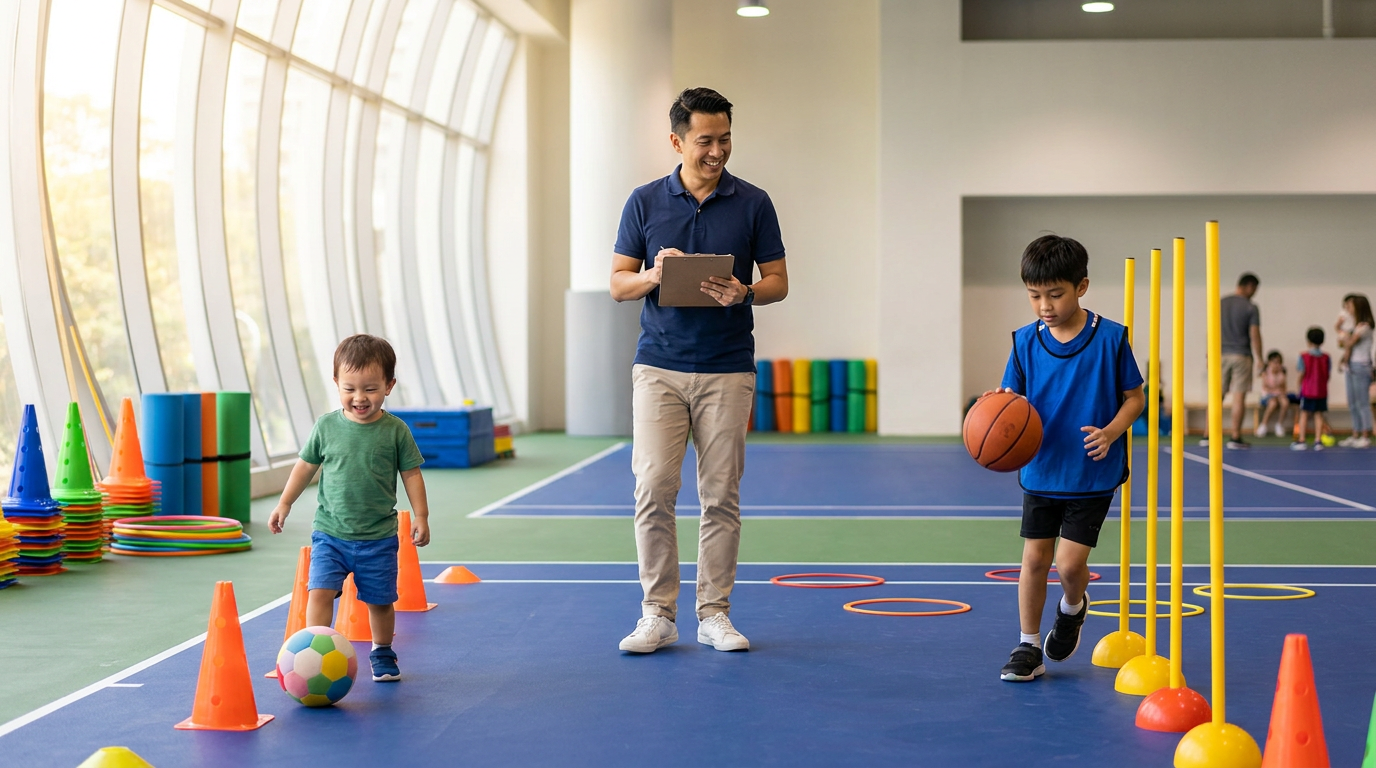
Ages 2–6: Play-Based Movement Young children do not need structured drills—they need varied, imaginative movement that develops fundamental motor skills including running, jumping, throwing, catching, and balancing. Sessions of 20–30 minutes work well at this age, with frequent transitions to hold attention. Think obstacle courses, animal movement games, and music-based activities that feel like pure play while delivering real developmental value. The goal is to build a joyful relationship with movement that motivates children to stay active for life.
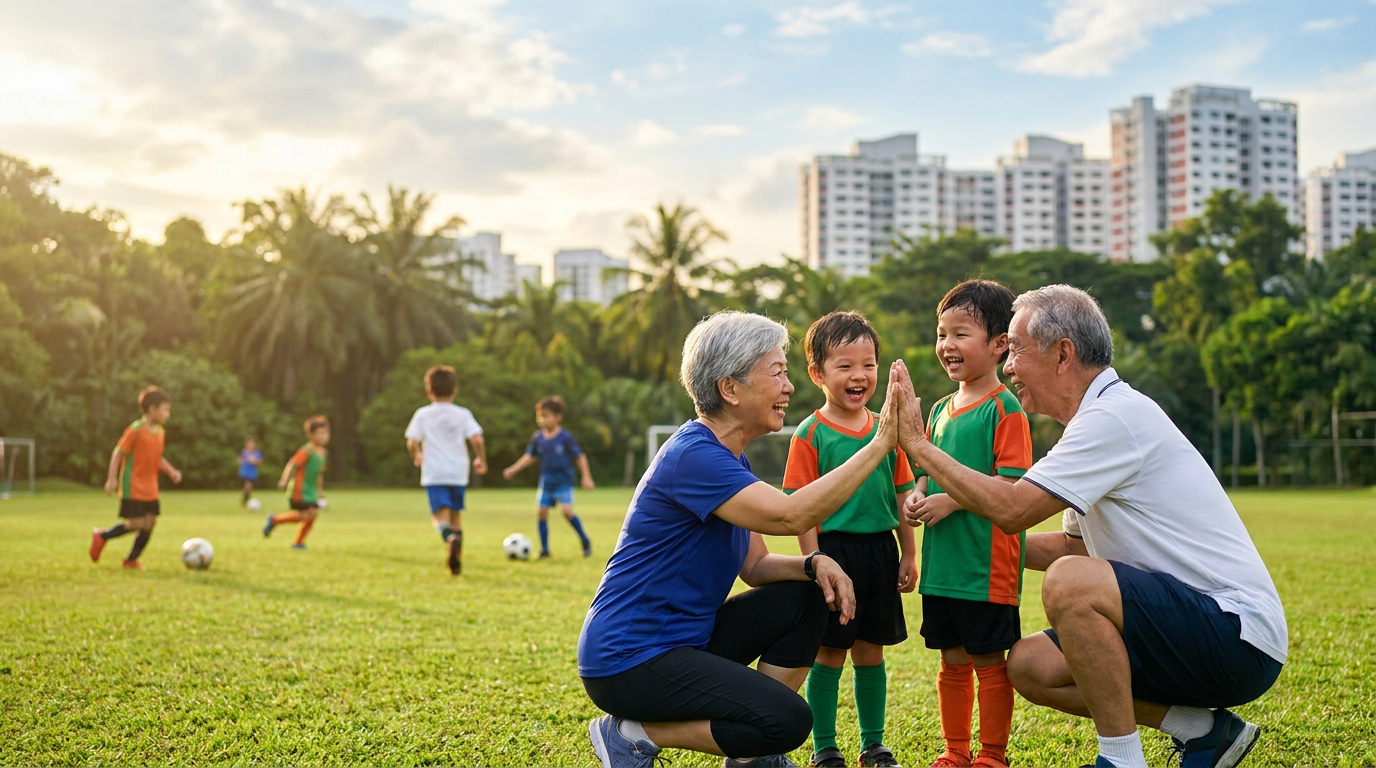
Ages 6–9: Skill Building Through Sport As children enter primary school, they become ready for more structured activity with recognisable sport formats. Before-school sessions of 30–45 minutes can introduce foundational sport skills—kicking, dribbling, throwing, coordination drills—within a fun, age-appropriate framework. Team-based elements become increasingly valuable at this stage, giving children regular practice in communication, turn-taking, and collective problem-solving.
Ages 9–12: Purposeful Training Older primary school children benefit from more structured, progressive training that builds both physical capability and sport-specific skills. Sessions of 45–60 minutes can incorporate tactical elements, fitness conditioning, and competitive formats. At this stage, children are also developing a clearer sense of identity, and being part of a sports program gives them a meaningful source of confidence and belonging outside the academic sphere.
Structured Programs vs. Home Routines: What's the Difference?
Home-based morning movement is genuinely beneficial and absolutely worth doing. But it is worth being honest about what it can and cannot deliver compared to a well-designed, coach-led sports program.
A five-minute dance party before school will elevate your child's mood and sharpen their focus for the morning—that is real and valuable. What it will not do is systematically develop fundamental movement skills, build sport-specific competencies, provide expert coaching that adapts to each child's developmental stage, or offer the peer social environment where children practise cooperation, resilience, and communication in meaningful ways.
Research consistently shows that participation in structured sports activities—not just physical movement in general—produces the strongest outcomes for children's attentiveness, cooperation, and emotional regulation at school. The structure itself is part of the developmental mechanism: children learn to set goals, follow instructions from a trusted adult, manage the emotional experience of effort and improvement, and function as part of a group working toward shared objectives.
For Singapore families, the practical implication is clear. Home routines are an excellent complement—particularly on school days when structured sessions are not scheduled—but they work best as one layer of a broader physical activity plan that includes regular participation in a quality sports program.
How to Build a Sustainable Before-School Sports Habit
The most common reason families abandon morning movement routines is that they try to do too much too quickly. Starting with a realistic, low-friction approach makes all the difference.
Start with two or three mornings per week. This is enough to establish a habit and begin seeing benefits, without overwhelming an already-busy schedule. As the routine takes hold, adding a fourth morning feels natural rather than forced.
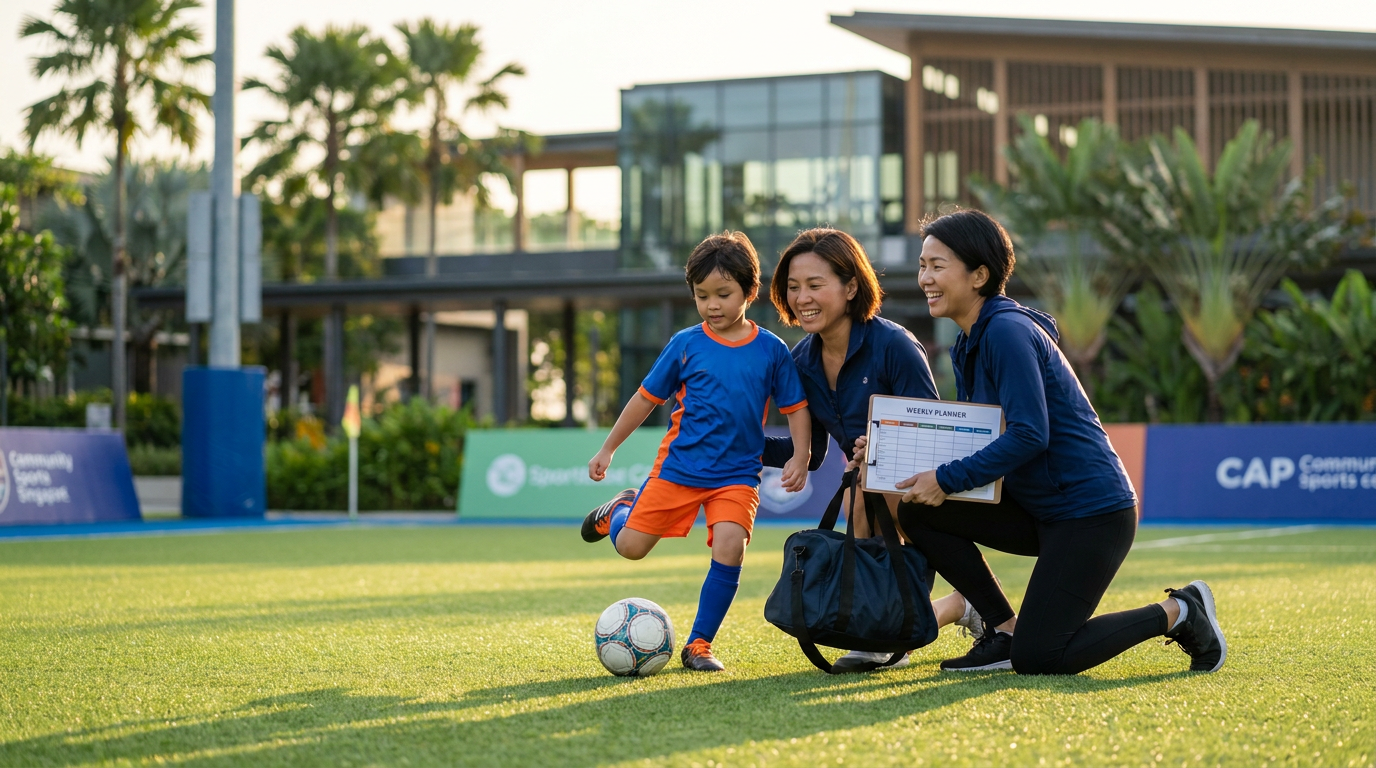
Prepare the night before. Lay out sports clothes, fill water bottles, and pack bags the evening before so that mornings involve action rather than decision-making. Reducing friction at the start of the routine dramatically improves follow-through.
Involve your child in the process. Children who have some ownership over their morning routine—even a small choice like which activity to do first—are more likely to engage willingly and sustain the habit over time. For younger children, framing the activity as a game or adventure increases buy-in significantly.
Make it social when possible. Arranging to walk to school with a neighbour, or joining a before-school class where your child has friends, adds a social motivation that often proves more powerful than any parental nudging. Children are intrinsically motivated by connection with peers.
Track progress visibly. A simple sticker chart for younger children, or a shared note on the fridge tracking skills being developed, reinforces consistency and gives children a tangible sense of their own progress.
Finding the Right Program in Singapore
Singapore's children's sports landscape is rich, and families have excellent options for structured, expert-led programs that can anchor a before-school or early morning sports routine.
For children aged 2 to 6, the Vivo Kids multi-sports programme offers a play-based, age-appropriate curriculum that develops fundamental movement skills alongside character and confidence. Expert coaches guide children through diverse movement experiences—running, jumping, kicking, throwing, balancing—within a nurturing environment designed specifically for early childhood development. Rather than pushing young children toward premature sport specialisation, Vivo Kids builds the physical literacy foundation that supports success in any future sport or physical pursuit.
For primary school children aged 6 to 12 who are ready to build sport-specific skills, Vivo Kicks Academy provides structured soccer training that goes well beyond kicking a ball. The program develops technical skill, tactical understanding, fitness, and the social-emotional competencies that sport uniquely builds—communication, resilience, teamwork, and a healthy competitive spirit. As a dedicated soccer academy, Vivo Kicks gives children the progressive, expert-led training environment that produces real, measurable development over time.
Both programs reflect Vivo Kinetics' core philosophy: that sport done well is one of the most powerful tools available for children's intellectual, social, emotional, and physical development. With recognition as Best Children's Multi-sport Programme 2024 and as a Recognised Leader in Children's Health & Fitness in Southeast Asia, Vivo Kinetics brings award-winning expertise to every session—making it a trusted choice for Singapore parents who want early morning activity to deliver lasting results.
The Morning Habit That Changes Everything
Before-school sports and early morning movement are not about squeezing more into an already full schedule. They are about investing a small window of time in a way that pays dividends across every aspect of your child's day—their focus in class, their mood with friends, their resilience when things get hard, and their confidence as they grow.
The research is clear: children who move purposefully in the morning arrive at school more alert, more emotionally regulated, and more ready to learn. When that movement happens within a structured, expert-led program, the benefits extend further still—into social skills, character development, and a genuine love of physical activity that can last a lifetime.
Whether your family starts with a 10-minute home routine, an active walk to school, or enrolment in a specialist program, the most important step is simply to begin. The habit, once established, has a way of becoming one of the best parts of the day—for children and parents alike.
Ready to give your child the best possible start to every school day?
Explore Vivo Kinetics' expert-led programs for children aged 20 months to 12 years—designed to build movement skills, confidence, and character through the power of sport.
Explore Vivo Kinetics Programs →
Comments