


Grandparents and Kids Sports: How Active Grandparenting Shapes Young Athletes
Table Of Contents
Why Grandparents Matter More Than You Think
The Mutual Benefits of Active Grandparenting
How to Be a Meaningful Presence at the Sidelines
Getting Active Together: Sports and Play Across Generations
Teaching Life Skills Through Sport
Creating Traditions That Last a Lifetime
How Structured Programmes Support the Whole Family
Tips for Grandparents Getting Started
There is a moment every grandparent knows. Your grandchild spots you in the crowd just before the whistle blows, their face lighting up with that unmistakable mix of pride and relief. You are here. That moment—simple, fleeting, and quietly powerful—is the heart of what active grandparenting through sport is all about.
In Singapore and across the region, multi-generational families play a central role in raising children. Grandparents are often present not just for festive gatherings, but for the everyday milestones that matter most—including the football matches, swimming galas, and weekend sports sessions that shape who a child becomes. Yet the role grandparents can play in a child's sporting life is often underestimated.
This article explores what the research says about grandparents and kids' sports, how you can show up in meaningful ways—whether on the field or from the sidelines—and why active grandparenting is one of the greatest gifts you can give both your grandchild and yourself.
Why Grandparents Matter More Than You Think
It might seem like sports belong purely to parents and coaches. But grandparents occupy a uniquely powerful position in a child's support system—one that is distinct from, and in many ways more freeing than, that of a parent.
As grandparents, you have a unique position in your grandchildren's lives. You are not the parents who bear daily responsibility for training and competitions, but you are also not just spectators. You can be an important addition to the support system that gives your grandchildren additional security and motivation. This distinction matters enormously. Grandparents are typically thought of as the family member who spoils the children in a good way, acting in a more fun role than parents. Because of this, grandparents are perfectly positioned to advise young athletes when it comes to youth sports.
Grandparents don't criticise or micromanage in the moments after the game. Grandparents don't critique the coach's strategy or a referee's call. Even in the face of embarrassing failures on the field, grandparents support their grandchildren with no ulterior motive or agenda. That unconditional presence is rarer than it sounds—and children feel the difference deeply.
Research consistently shows that grandparent involvement has a measurable impact on children's emotional well-being and confidence. Oxford University researcher Professor Ann Buchanan found that children who enjoyed a high level of grandparental involvement in their life had fewer emotional and behavioural problems. In the world of sport, where children regularly face the pressure of performance and the sting of defeat, having a grandparent in their corner can make all the difference.
The Mutual Benefits of Active Grandparenting
Here is something that often surprises families: when grandparents invest themselves in a child's sporting life, they gain just as much as they give.
Studies show that active grandparenting reduces stress, increases mental engagement, encourages better physical health, and boosts longevity. Research shows that involved grandparents are more physically active and less sedentary than adults of a similar age who don't do that type of childcare. Whether it's walking to the sports centre, cheering from the stands, or joining in a casual kick-about at the park, this regular movement adds up in meaningful ways.
The cognitive benefits are equally compelling. Researchers analysed data from over 11,000 adults gathered over nearly two decades and found that grandparents who spent a moderate amount of time—between 100 and 499 hours a year, or about two to five hours a week—caring for grandchildren maintained stronger cognitive abilities over time compared to non-caregivers. Grandparenting was also associated with a reduced risk of developing dementia.
There is an emotional dimension too. On a biological level, the emotional engagement of interacting with grandchildren is more likely to release feel-good hormones, such as oxytocin and endorphins, which help reduce stress and promote happiness. Intergenerational play supports improved mood, memory, and health through active participation and connection to community. The benefits for grandparents are just as significant as the ones children feel—they feel valued, connected, and purposeful.
Active grandparenting, then, is not a favour grandparents do for the family. It is an investment in everyone's wellbeing.
How to Be a Meaningful Presence at the Sidelines
Showing up matters. But how you show up matters just as much.
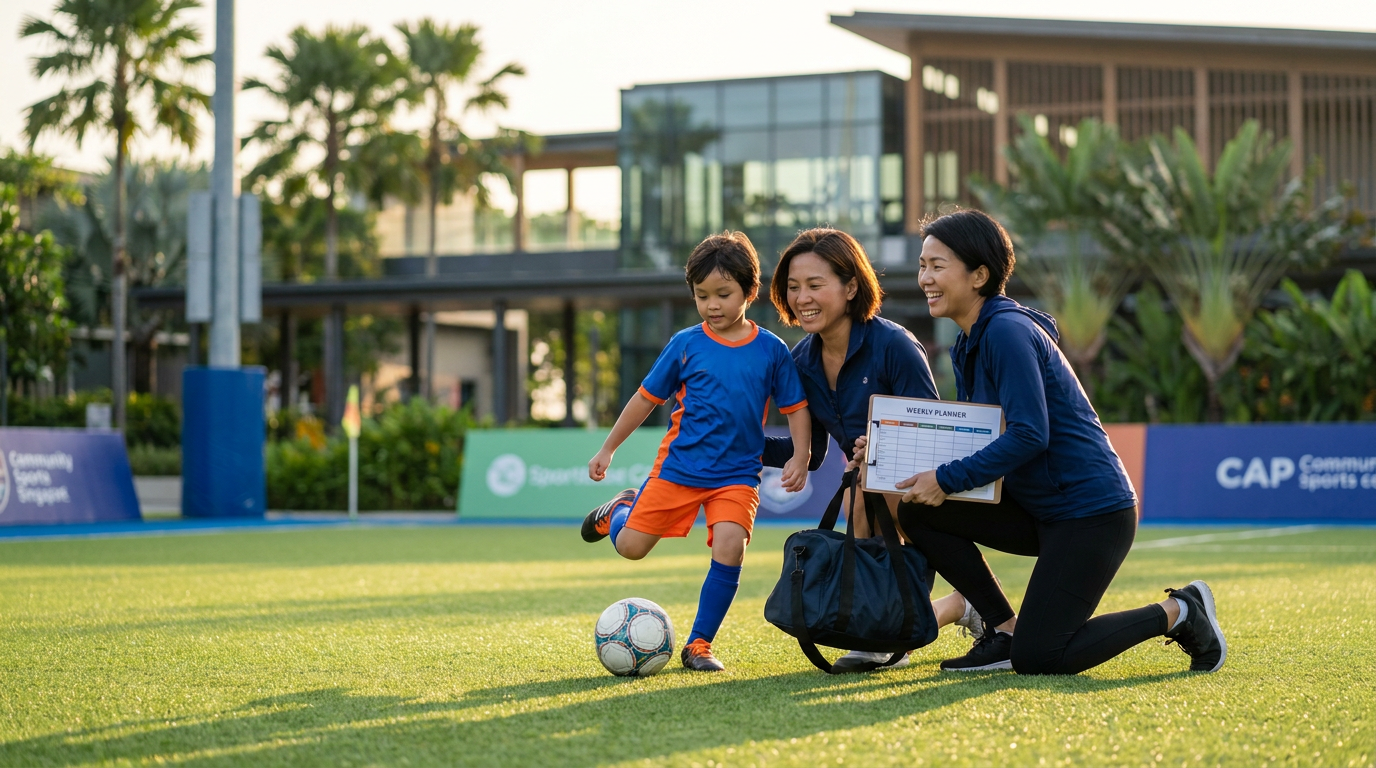
When a grandparent shows up at a game, something shifts. The child feels witnessed. You do not need to be at every game to matter. One appearance per season signals a commitment that grandkids carry with them for years. If distance or mobility makes regular attendance difficult, ask parents to share livestreams, recorded highlights, or even just post-game phone calls while the details are still fresh. A fifteen-minute recap conversation after a big game tells a grandchild that their world is your world, too.
When you are there in person, resist the urge to over-coach from the sideline. One of the most powerful things a grandparent can do after a game is offer specific, effort-based praise rather than generic congratulations. Saying you loved watching them fight hard on the field lands far deeper than a generic cheer. It tells the child that you were paying attention, and that their effort has value independent of the scoreboard.
Grandparents offer more than practical support for parents. They also provide what one researcher describes as 'molecules of emotional health'—small but meaningful moments of encouragement, attention, and understanding that help strengthen children's emotional immune systems. In sport, those molecules accumulate: the high-five after a missed penalty, the hot drink waiting after a cold training session, the quiet word on the drive home. These are the gestures children remember long after the trophies have faded.
Getting Active Together: Sports and Play Across Generations
Watching is wonderful. Playing together is transformative.
The American Psychological Association notes that physical activity shared between older adults and children strengthens intergenerational bonds. It improves mood for both age groups and creates memory anchors that children recall well into adulthood. The key is choosing activities that are genuinely enjoyable for both parties—not just activities children love while grandparents merely endure.
Playtime with grandchildren often involves physical activities that benefit both parties. Activities such as running around in the backyard, going for walks together, playing sports, or even dancing to music not only promote physical fitness but also enhance coordination and balance in grandchildren. For grandparents, staying physically active through play is equally beneficial. It helps maintain mobility, flexibility, and overall fitness, which are crucial for healthy ageing.
You do not need to match the pace of an eight-year-old to make a lasting impression. Kicking a ball back and forth in the park, playing catch, exploring a new walking trail, or even watching a match together and discussing the skills you notice—all of these build the physical and emotional connection that defines active grandparenting. The goal is engagement, not performance.
Despite concerns about physical capability, grandparents were found to be time-rich, highly motivated, and adaptable in supporting children's activities, including through indirect means when physically unable to participate. There is always a role to play, regardless of fitness level.
Teaching Life Skills Through Sport
Sport is one of the most powerful classrooms a child will ever enter—and grandparents are uniquely placed to be the best teachers in it.
The support grandparents give grandchildren in sports has long-term effects that extend far beyond sports. Through that support, grandchildren learn that effort is valued, that perseverance is important, and that there are people who believe in them even when things get difficult. These are lessons that shape character, not just athletic ability.
Grandparents bring something no coach can fully replicate: wisdom earned through a lifetime of their own wins and losses. One piece of advice grandparents can give is that all athletes win and lose games. The best basketball players are successful around 50 percent of the time, and the greatest baseball hitters strike out 65 percent of the time. Teaching this at an early age can be important for a young athlete's growth and maturity.
Grandparents can also help their young family members deal with pressure. When it becomes apparent that a grandchild is dealing with a lot of stress over sports, the grandparent can remind the young athlete that losing or performing badly isn't the end of the world; what's most important is doing one's best. That perspective—unhurried, warm, and rooted in experience—is one of the most valuable things a grandparent can offer.
These experiences shape grandchildren for life. They learn to pursue goals, deal with setbacks, and accept and give support. Grandparents can help ensure that grandchildren not only succeed in sports but also become resilient, confident people who know how important a strong support system is.
Creating Traditions That Last a Lifetime
Some of the most treasured memories from childhood are not the big victories—they are the rituals that surrounded them.
Consider building small, repeatable traditions around your grandchild's sports life. A signature pre-match meal at your home. A special phrase you say before every game. A scrapbook of match programmes, team photos, and hand-drawn scorecards. These are the threads that weave a child's sporting life into the larger fabric of family identity.
Shared, active experiences foster deep emotional connections and create lasting memories outside of traditional holiday gatherings. By focusing on genuine engagement and mutual interests, routine family visits transform into exciting events that children actively anticipate.
Grandparents may have the time to volunteer as coaches—particularly if they are recently retired or once coached long ago. This offers active grandparents a wonderful opportunity to spend time with their grandkids while applying their experience and knowledge to a new generation of sports enthusiasts. Even without formal credentials, a grandparent who organises a weekly family kick-about or leads a gentle morning walk before training is already coaching in the truest sense.
The traditions you build do not need to be elaborate. They simply need to be consistent, and filled with your presence.
How Structured Programmes Support the Whole Family
One of the most practical ways grandparents can support a grandchild's sporting journey is by understanding—and embracing—the structured programmes that develop children's skills in age-appropriate, expert-led environments.
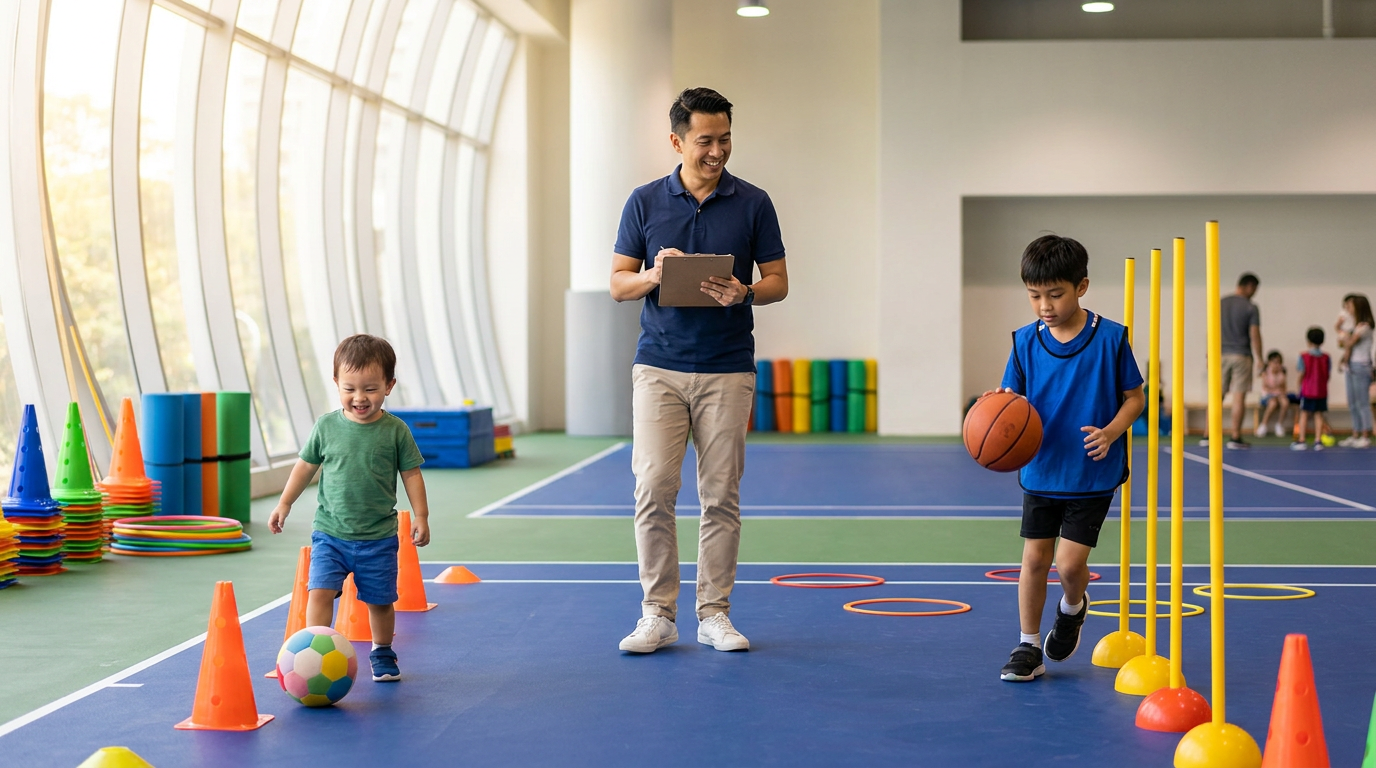
In Singapore, children are fortunate to have access to high-quality sports education from a very young age. Vivo Kids, Vivo Kinetics' award-winning multi-sport programme for children aged 2 to 6, is designed around play-based learning that develops movement skills, character, and confidence simultaneously. Rather than drilling techniques, Vivo Kids creates joyful, age-appropriate experiences that lay the foundation for a lifelong love of physical activity. Grandparents attending a Vivo Kids session will quickly notice how the curriculum mirrors the values they want to instil: effort over outcome, teamwork over ego, and fun above all.
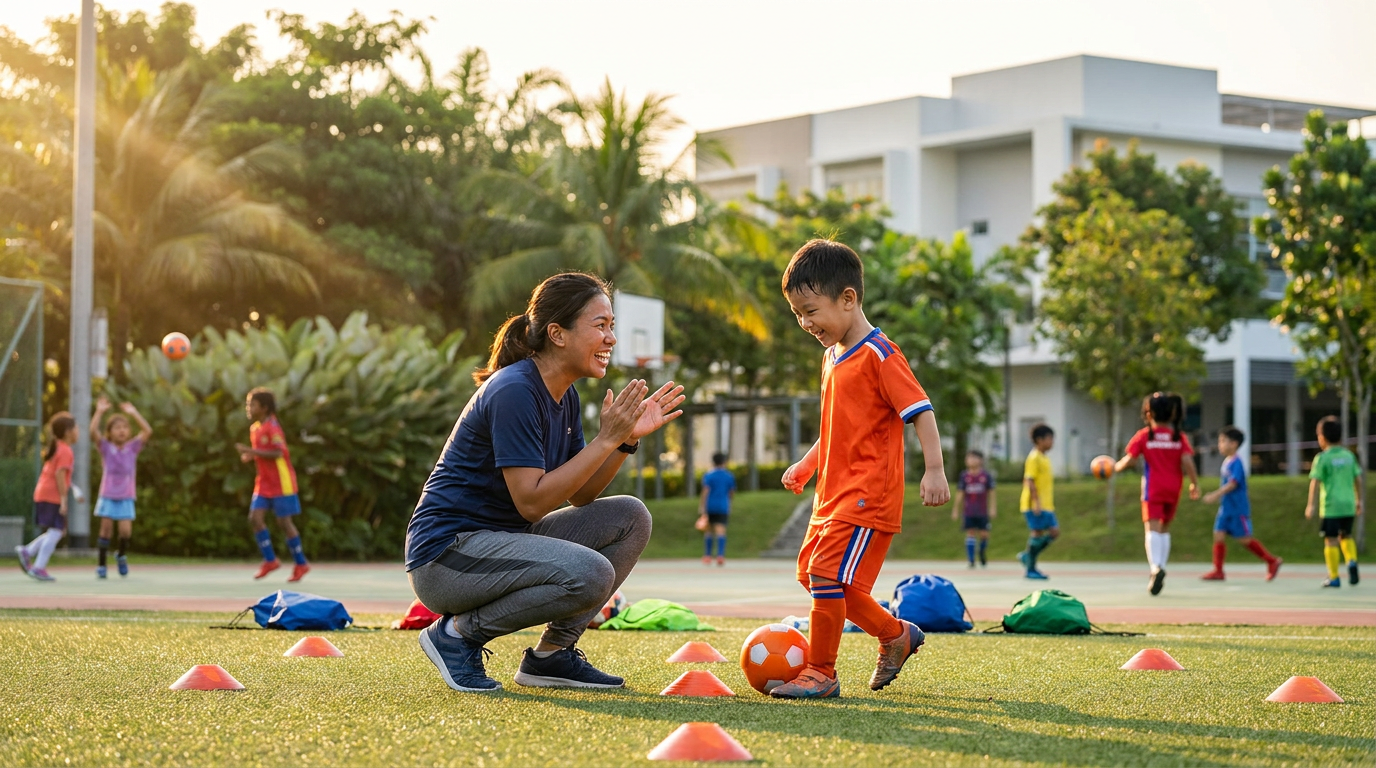
For older children aged 6 to 12, Vivo Kicks offers a dedicated soccer academy that builds technical skills within a developmentally sensitive framework. Grandparents' support for their grandchildren's physical activity is positively associated with their grandchildren's engagement in structured physical activity, unstructured physical activity, and outdoor play. Bringing a grandchild to Vivo Kicks training, staying to watch, or simply asking detailed questions about what they learned that day are all forms of engagement that reinforce the programme's impact at home.
Structured programmes also give grandparents a framework for conversation. When a child is enrolled in a programme with a clear curriculum, a grandparent can ask specific, meaningful questions—"Did you practise your passing today?" or "What was the hardest drill?"—rather than generic ones. This specificity signals genuine interest and deepens the bond.
Tips for Grandparents Getting Started
If you are a grandparent looking to become more actively involved in your grandchild's sporting life, here are some practical ways to begin:
Ask, don't assume. Find out from your grandchild how they like to be supported. Grandparents can support their grandkids' sports activities by asking each child how they can be supportive and help them excel at their sport. Some children love a loud cheer; others prefer a quiet thumbs-up.
Learn the sport. You do not need to become an expert, but understanding the basics of what your grandchild is playing shows respect for their passion and makes conversations more meaningful.
Follow their lead on intensity. Balanced development is important for your grandchildren's long-term well-being. Sports should be an important part of their lives, but not the only one. Encourage sport as one of many joys in life, not a source of pressure.
Be consistent, not constant. Regular, predictable involvement—even if infrequent—builds trust and security. A grandparent who reliably shows up, even once a month, becomes a cornerstone in a child's world.
Stay active yourself. Playing, walking, and engaging in activities with grandchildren helps grandparents stay physically active, reducing the risk of health issues like heart disease and arthritis. Your own commitment to movement is one of the most powerful examples you can set.
Celebrate effort, not just results. After every match or training session, focus your praise on what your grandchild did—the persistence, the teamwork, the courage to try something new—rather than whether they won or lost.
Active grandparenting through sport is not about reliving your own athletic past or living vicariously through a grandchild's achievements. It is about showing up, staying curious, and letting your grandchild know that the person they are becoming—on and off the field—is someone worth watching.
The Greatest Gift You Can Give
Sport teaches children to be brave, to collaborate, to get back up, and to celebrate others. Grandparents, with their wealth of lived experience, their unconditional love, and their freedom from the daily pressures of parenting, are perfectly placed to amplify every one of those lessons.
Developmental research links grandparent involvement to better wellbeing outcomes for grandchildren. But beyond the research, the truth is simpler: a grandparent who shows up, cheers genuinely, plays alongside, and listens without judgment is giving a child one of the most enduring gifts of their early years.
So lace up your trainers, find a spot on the sideline, or join them for a Sunday kick-about at the park. The scoreboard will be forgotten. The feeling of being seen and loved by you—that stays with them forever.
Ready to Be Part of the Journey?
At Vivo Kinetics, we believe that children thrive when the whole family cheers them on. Whether your grandchild is just beginning to explore movement or is ready to kick off their soccer journey, our expert-led programmes create a safe, nurturing, and joyful space for every child to grow.
Explore our programmes and start your family's active journey today: 👉 Visit Vivo Kinetics
Vivo Kids Multi-Sport Programme – For ages 2–6
Vivo Kicks Academy – Soccer for ages 6–12
Because every child deserves a grandparent in the crowd—and every grandparent deserves a reason to cheer.
Comments