


Common Sports Injuries in Children: What Every Parent Should Know
Table Of Contents
Why Children Are More Vulnerable to Sports Injuries
Acute vs. Overuse Injuries: Understanding the Difference
The Most Common Sports Injuries in Children
Recognising the Warning Signs
When to See a Doctor
First Aid: The RICE Method
How to Prevent Sports Injuries in Children
The Role of Multi-Sport Participation
Frequently Asked Questions
Every parent knows the sound — the sudden pause in play, followed by tears. Whether it's a twisted ankle on the football pitch or a sore knee after a long school sports day, children and sports injuries seem to go hand in hand. The good news is that most injuries are minor, heal well with proper care, and don't have to mean the end of your child's love for sport.
But knowing what's a normal bump and what requires medical attention can feel overwhelming, especially when your child is in pain. This guide covers the most common sports injuries in children, what causes them, how to recognise warning signs, and — most importantly — what parents can do to keep their young athletes active and safe for the long run.
Why Children Are More Vulnerable to Sports Injuries
One of the most important things parents can understand is that children's bodies are not simply smaller versions of adult bodies. Their bones, muscles, tendons, and ligaments are all still growing, which makes them respond to physical stress in a uniquely different way. Because a child's body is still developing, sports injuries in kids are not just 'mini' versions of adult problems — they often require a specialised approach to support healthy growth and long-term development.
A key area of concern is the growth plate: areas of developing cartilage located at the ends of long bones where new bone tissue forms. Growth plates are structurally weaker than the surrounding ligaments and tendons, which means a force that would cause a simple sprain in an adult could result in a more serious growth plate fracture in a child. These injuries carry the potential to disrupt normal bone growth if not identified and managed promptly.
Growth spurts add another layer of complexity. During periods of rapid growth — particularly around puberty — bones can lengthen faster than the surrounding muscles and tendons can keep pace, creating tightness, imbalance, and a heightened risk of strain. Add natural enthusiasm, an incomplete sense of physical limits, and the social pressure not to disappoint teammates, and it becomes clear why sports injuries are so common in young athletes.
Acute vs. Overuse Injuries: Understanding the Difference
Sports injuries in children generally fall into two broad categories, and understanding the difference helps parents respond appropriately.
Acute injuries are caused by a sudden, identifiable event — a fall, collision, or awkward landing. They typically cause immediate pain and swelling, and the cause is usually obvious. Common examples include sprained ankles, fractures, dislocations, and concussions.
Overuse injuries are more subtle and develop gradually over time from repetitive stress on the same body parts. They tend to start as mild, nagging discomfort that worsens with activity, and they are actually more common in young athletes than acute injuries. Because overuse injuries don't come from a single dramatic moment, they're often ignored or misattributed to 'growing pains' — which can allow them to worsen significantly before a parent or coach takes action.
Both types require attention, but overuse injuries in particular benefit from early recognition. A child who limps off the pitch but seems fine by dinner may be dealing with growth plate irritation — something that deserves monitoring rather than dismissal.
The Most Common Sports Injuries in Children
Here are the injuries parents are most likely to encounter, grouped by type for clarity.
Sprains and Strains
Sprains (injuries to ligaments) and strains (injuries to muscles or tendons) are the most common sports injuries across all age groups. Ankle sprains are particularly frequent and typically occur when the foot rolls inward during running, jumping, or changing direction. Strains often affect the hamstrings, calves, or groin and are common in sports that involve explosive sprinting. Most mild sprains and strains respond well to rest and home care, but moderate or severe cases should always be assessed by a doctor.
Growth Plate Injuries
Because growth plates are the weakest link in a child's musculoskeletal system, they are disproportionately affected by sports-related stress. Growth plate injuries typically occur in sports involving sudden twisting, heavy landings, or falls — such as gymnastics, football, and basketball. Parents should treat persistent pain around a joint, particularly after trauma, as a reason to seek medical evaluation rather than waiting it out.
Osgood-Schlatter Disease
This is one of the most frequently seen overuse conditions in physically active children, particularly those who run and jump a lot. It involves irritation and swelling where the patellar tendon connects the kneecap to the shin bone, causing a painful bump just below the knee. It is most common during growth spurts and tends to affect children involved in football, basketball, and athletics. While uncomfortable, it is generally manageable with rest, stretching, and gradual return to activity.
Sever's Disease
Sever's disease is a leading cause of heel pain in active children, especially around puberty. It affects the growth plate at the back of the heel and is commonly seen in young footballers and runners. The pain typically worsens with activity and may cause a noticeable limp. Proper footwear, heel stretching, and activity modification are usually effective in managing this condition.
Concussions
A concussion is a brain injury caused by an impact to the head, and it deserves special mention because the consequences of managing it poorly can be serious. Concussions can occur in both contact and non-contact sports — including heading a football or a collision during basketball — and symptoms may not appear immediately. Any suspected concussion should be taken seriously: remove the child from play immediately, and do not allow them to return until they have been cleared by a medical professional.
Shin Splints
Shin splints refer to pain along the inside of the shin bone, caused by inflammation of the muscles and connective tissue in the lower leg. They are common in children who increase their training load too quickly, particularly in running sports. Shin splints are a classic overuse injury and a signal that the body needs more recovery time between sessions.
Shoulder and Elbow Overuse Injuries
In children who play throwing sports such as baseball or cricket, repetitive overhead motion can place significant stress on the shoulder and elbow. Conditions like Little League Shoulder and Little League Elbow are specifically caused by this kind of repetitive pulling stress before throwing, and they primarily affect children aged 8 to 15. These injuries respond to rest and technique correction, but ignoring them can lead to long-term problems.
Recognising the Warning Signs
Symptoms of a sports injury in children can vary considerably depending on the location, type, and severity of the injury. Here are the signs parents should watch for:
Persistent or severe pain in a specific area, particularly pain that worsens with activity
Noticeable swelling or bruising around a joint or limb
Reduced range of motion — difficulty bending, straightening, or rotating a joint normally
Visible deformity of a bone or joint (this is always an emergency)
Joint instability — the joint feels 'loose' or gives way
A child who is limping, favouring one side, or withdrawing from activities they usually enjoy
Dizziness, confusion, nausea, or headache following a head impact (signs of concussion)
Tenderness or pain when pressing on a specific area of bone (possible stress fracture)
Recognising these signals early matters enormously. Untreated or misdiagnosed injuries in growing children can develop into chronic problems that require far longer recovery times than if they had been caught and addressed promptly.
When to See a Doctor
Not every knock or tumble needs a clinic visit, but certain situations absolutely do. Take your child to a doctor if:
The pain is severe and does not improve with rest and basic first aid
You suspect a fracture, dislocation, or significant growth plate injury
Your child cannot move or bear weight on the injured area
There are signs of a concussion — dizziness, confusion, memory issues, or nausea — following any head impact
Swelling is significant and shows no improvement after 24 to 48 hours of rest and ice
Your child has persistent pain that keeps coming back with activity, which may point to a stress fracture or overuse condition
A child should never be instructed to simply 'push through the pain.' This is especially important during growth spurts, when growing bodies are already under additional strain and healing resources are stretched. Early intervention almost always leads to faster, safer recovery.
First Aid: The RICE Method
For most acute soft tissue injuries — sprains, strains, and bruises — the RICE method is the recommended immediate response while you assess whether further care is needed:
Rest: Stop the activity and keep the child off the injured area to prevent further damage.
Ice: Apply an ice pack (wrapped in a cloth to protect the skin) for around 20 minutes at a time to reduce swelling and pain. Repeat every few hours in the first 48 hours.
Compression: Use a firm but comfortable elastic bandage around the injured area to help limit swelling.
Elevation: Keep the injured limb raised above the level of the heart when possible to reduce fluid build-up.
The RICE method is an important first response, but it is not a substitute for medical evaluation when any of the 'see a doctor' signs listed above are present. Over-the-counter pain relief such as paracetamol or ibuprofen may help manage discomfort in the short term but should always be used according to the appropriate dosage for your child's age and weight.
How to Prevent Sports Injuries in Children
While no parent can bubble-wrap their child, there is a great deal that can be done to meaningfully reduce the risk of injury. Prevention starts long before the game begins.
Always warm up and cool down. Dynamic stretching before activity — movements that take joints through their full range of motion — prepares muscles and tendons for the demands of sport. Static stretching after activity helps the body recover and improves long-term flexibility. Both matter, and both are often skipped by enthusiastic children eager to get straight into the game.
Use well-fitted, appropriate equipment. Ill-fitting protective gear — helmets, shin guards, ankle supports, and footwear — is a significant contributor to preventable injuries. Make sure your child's equipment fits correctly at the start of each season, especially after a growth spurt.
Prioritise rest and recovery. Rest days are not wasted days — they are when muscles repair and grow stronger. Young athletes need at least one full rest day per week, and adequate sleep (8 to 9 hours) is essential for tissue recovery. Watch for signs that your child is overdoing it: persistent tiredness, frequent illness, or ongoing aches and pains that don't resolve with a night's sleep.
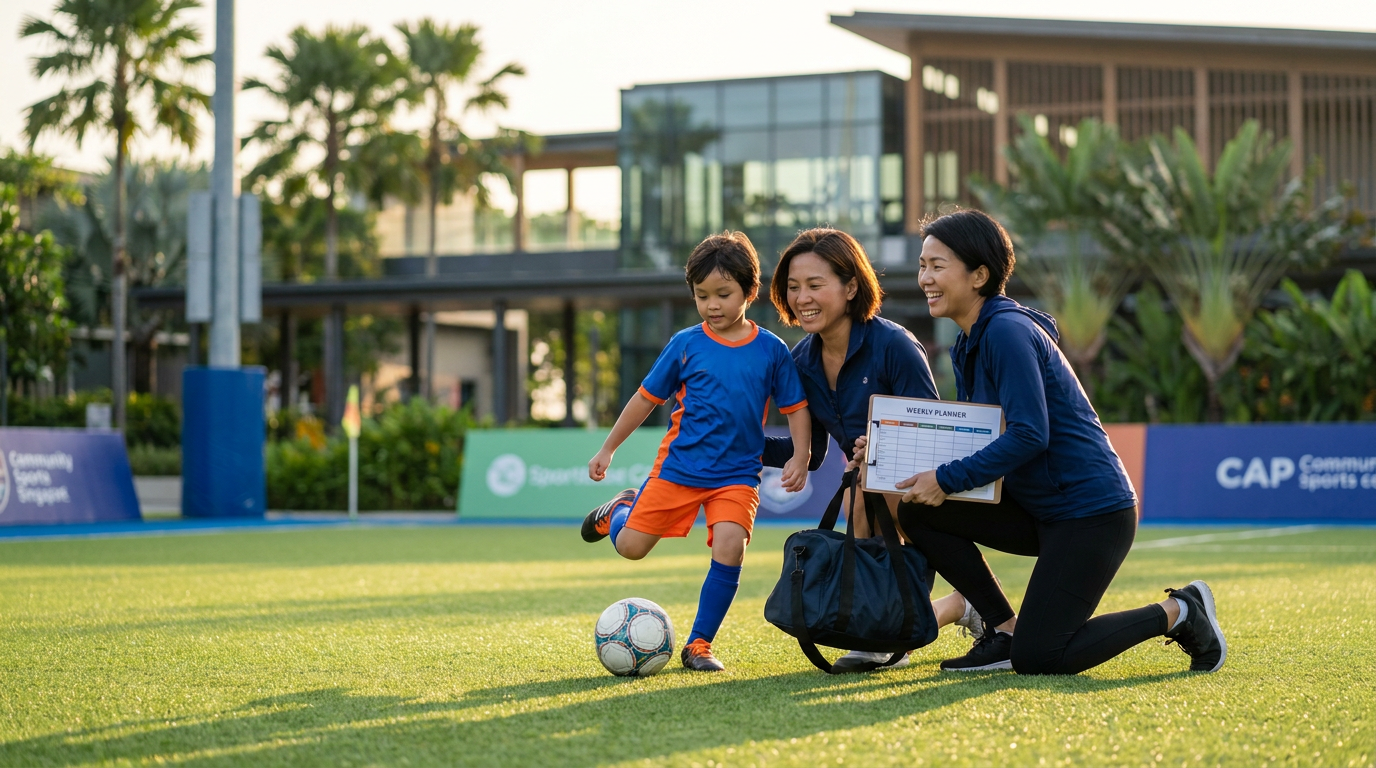
Teach body awareness and technique. Correct movement technique in jumping, landing, and changing direction dramatically reduces injury risk. This is why expert coaching matters so much in children's sport: a well-trained coach doesn't just teach kids how to play — they teach kids how to move safely.
Monitor growth spurts carefully. During periods of rapid growth, children need gentler increases in training intensity. Extra tightness in the muscles and tendons during these windows means the body is already under more stress than usual, and pushing too hard during a growth spurt significantly elevates injury risk.
The Role of Multi-Sport Participation
One of the most compelling and well-supported strategies for reducing sports injuries in children is also one that many parents overlook: encouraging variety rather than early specialisation in a single sport.
Research is clear on this point. Children who specialise in a single sport from a young age face a significantly higher risk of overuse injuries, because the same muscles, tendons, and growth plates are placed under repetitive stress with no variation. A University of Wisconsin study found that 46% of growing athletes who specialised in one sport suffered a lower-body injury, compared to just 24% of those who played multiple sports. Multi-sport participation allows different muscle groups to be trained and rested in rotation, creating more balanced strength, better coordination, and a lower cumulative injury burden.
Beyond the physical benefits, sports variety also protects children emotionally. Early specialisation is strongly linked to burnout and dropout — children who are pushed into year-round, single-sport training often lose the joy of movement long before they reach their physical prime. Keeping sport fun, exploratory, and varied at a young age builds the kind of intrinsic motivation that sustains a lifelong active lifestyle.
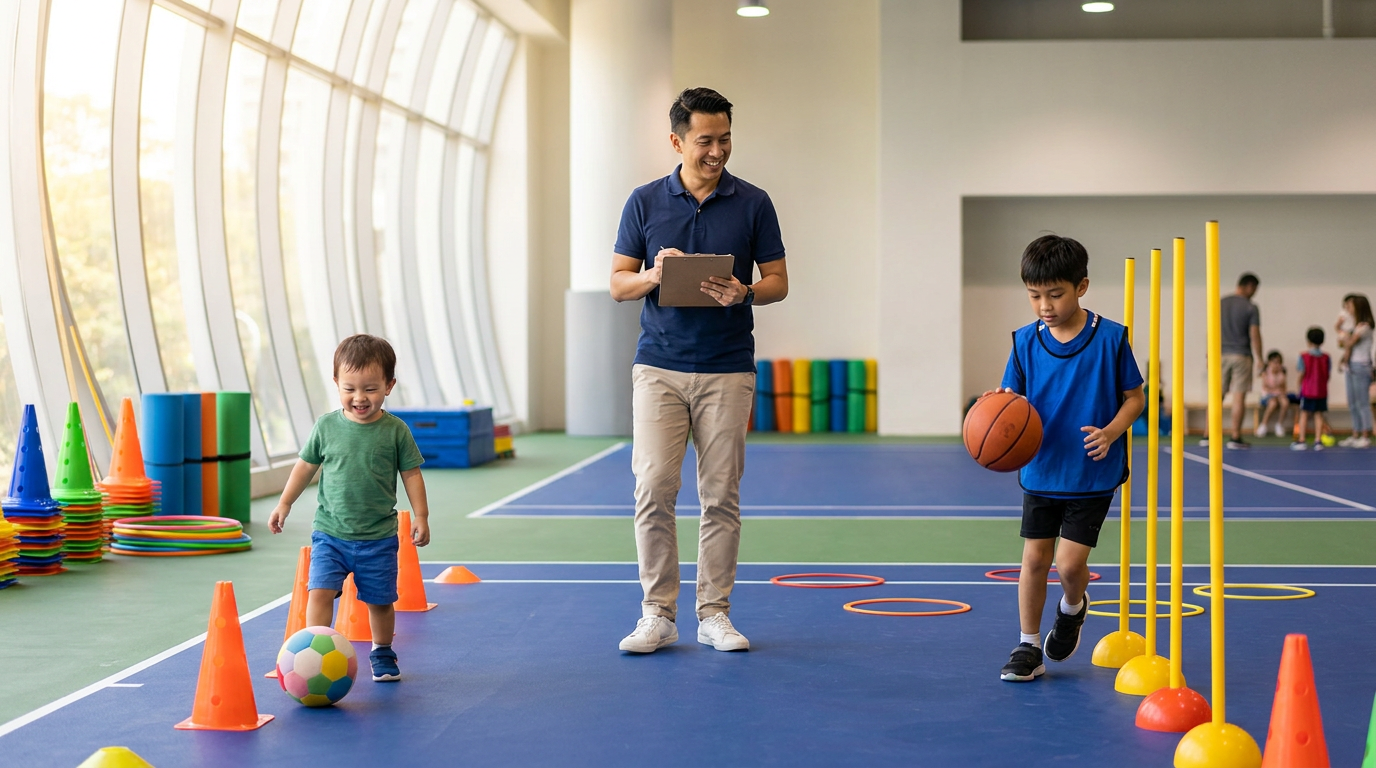
This is exactly why programmes like Vivo Kids — Vivo Kinetics' multi-sport programme for children aged 2 to 6 — are so valuable not just for development, but for long-term physical wellbeing. By exposing young children to a wide range of movement skills across multiple sports in a nurturing, age-appropriate environment, Vivo Kids builds the physical literacy and coordination that form a protective foundation against injury as children grow. For older children ready to explore sport more deeply, Vivo Kicks — Vivo Kinetics' football academy for ages 6 to 12 — pairs technical skill development with expert coaching and proper movement training, so children learn to play with both confidence and safety.
Frequently Asked Questions
What is the most common sports injury in children?
Sprains and strains are the most frequently occurring sports injuries in children across all age groups and activity types. Ankle sprains in particular are extremely common in any sport that involves running and direction changes. Among overuse conditions, Osgood-Schlatter disease (knee pain) and Sever's disease (heel pain) are especially prevalent in active school-aged children.
Are sports injuries more serious in children than in adults?
In some ways, yes. Because children have open growth plates — areas of developing cartilage at the ends of bones — an injury that might produce a minor sprain in an adult can cause a growth plate fracture in a child. Growth plate injuries need proper management because they have the potential to affect normal bone development if left untreated.
How can I tell if my child has a growth plate injury?
Growth plate injuries often present as localised pain directly at or near a joint, sometimes with swelling or tenderness when the area is pressed. Unlike muscular soreness, which tends to be diffuse, growth plate pain is typically pinpointed. If your child has pain near a joint following a sports incident and it doesn't resolve within a day or two, it is worth having a doctor evaluate it with imaging.
Should I keep my child out of sport after an injury?
It depends on the injury. Minor sprains and strains often allow a return to activity within a week or two with proper rest and care. More significant injuries — fractures, growth plate damage, concussions — require medical clearance before returning to sport. The key principle is: never rush back. A child who returns to play before they've fully recovered is at high risk of re-injury, which can mean a much longer time off down the line.
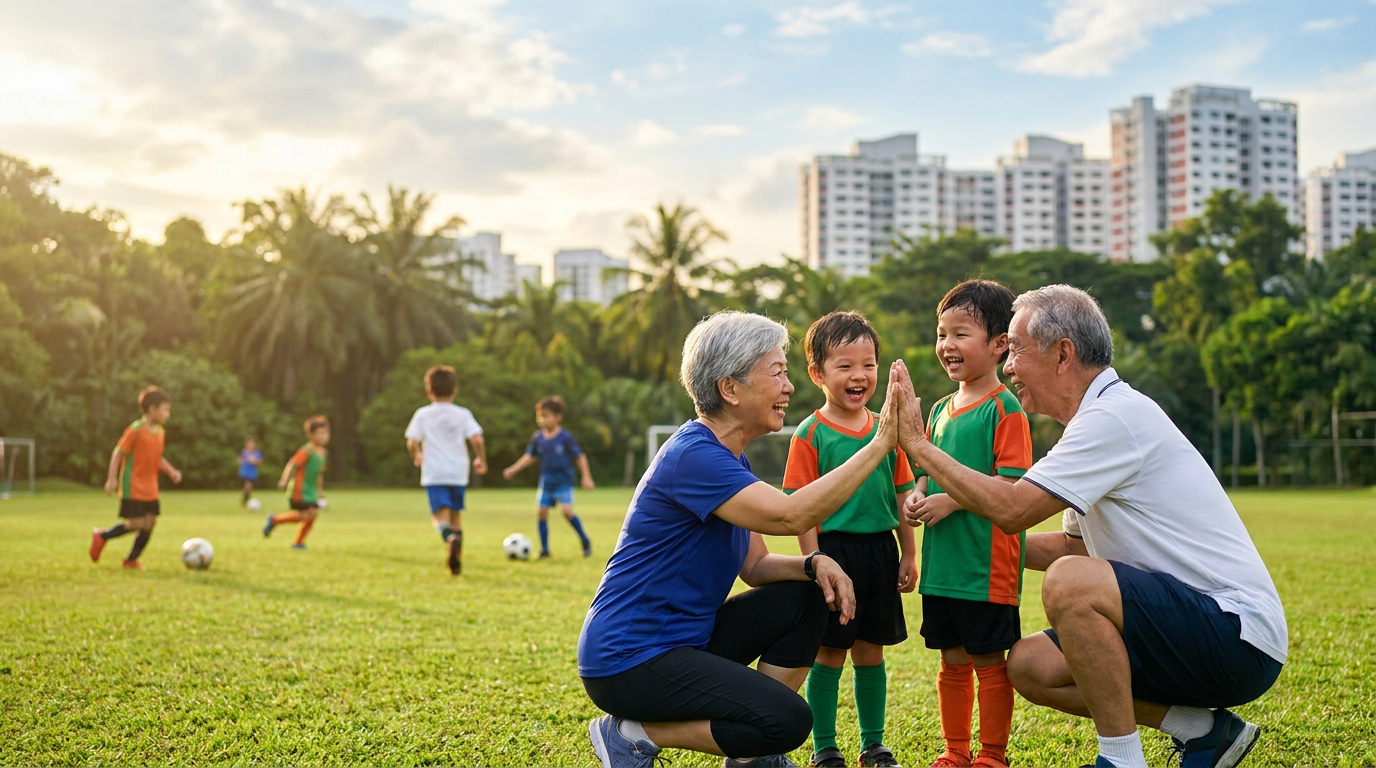
Sports and physical activity are among the greatest gifts we can give our children — for their physical health, their confidence, their social development, and their long-term wellbeing. Injuries are an inevitable part of an active childhood, but with the right knowledge, the right environment, and the right approach, parents and coaches can dramatically reduce both the frequency and the severity of those injuries.
The most powerful thing you can do for your young athlete isn't to protect them from sport — it's to make sure they experience sport in a way that is safe, varied, well-coached, and joyful. That foundation, built early, carries them through a lifetime of healthy movement.
Ready to give your child the best possible start in sport?
At Vivo Kinetics, every programme is designed with your child's safety, confidence, and long-term development in mind. From our multi-sport Vivo Kids programme for toddlers and preschoolers to our expert-coached Vivo Kicks football academy for school-aged children, we create environments where kids move well, grow strong, and love every moment of it.
Explore our programmes at Vivo Kinetics and find the perfect fit for your child today.
Comments