


Holiday Camp Social Skills: Making Friends and Building Confidence Through Active Play
Table Of Contents
Why Holiday Camps Are Social Skills Powerhouses
The Connection Between Physical Activity and Social Development
Key Social Skills Children Develop at Holiday Camps
How Team Sports Build Confidence in Shy Children
Creating a Safe Environment for Social Exploration
Age-Appropriate Social Development: What to Expect
Supporting Your Child's Social Growth Beyond Camp
Choosing the Right Holiday Camp for Social Development
Every parent has witnessed that moment of hesitation when their child faces a room full of unfamiliar faces. The slight step backward, the tight grip on your hand, the questioning look that asks, "Will I fit in?" These moments are completely natural, yet they remind us how crucial social skills are to our children's happiness and success.
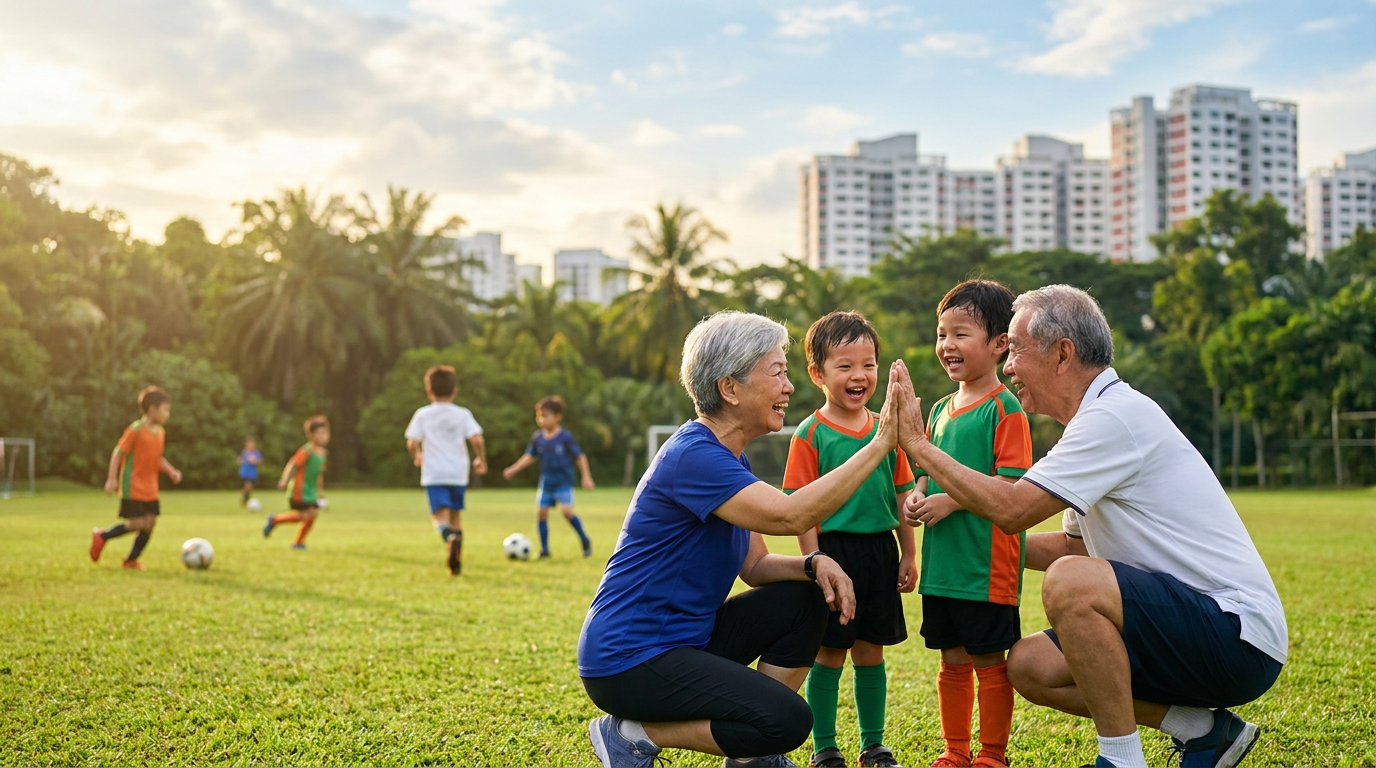
Holiday camps offer something remarkable that typical playdates and classroom settings often cannot: a dynamic environment where children naturally develop friendships while being too busy having fun to worry about it. When kids are engaged in physical activities, games, and shared challenges, social barriers dissolve. They're not thinking about making friends; they're thinking about scoring a goal, completing an obstacle course, or working together to win a relay race. And somewhere in that joyful chaos, meaningful connections form.
This comprehensive guide explores how holiday camps, particularly those centered around sports and active play, become powerful catalysts for social skills development and confidence building. Whether your child is naturally outgoing or tends toward shyness, understanding the mechanisms behind camp-based social growth can help you make informed decisions about their holiday activities and support their developmental journey.
Why Holiday Camps Are Social Skills Powerhouses
Holiday camps create a unique social ecosystem that differs fundamentally from school or home environments. Unlike the classroom where children often interact with the same peers day after day within rigid structures, camps introduce fresh social dynamics. Children meet new friends outside their usual social circles, free from established reputations or previous social missteps that might have defined them at school.
The temporary nature of camps actually works in children's favor. Knowing that camp lasts just a week or two removes long-term social pressure. Children feel more comfortable taking social risks, trying new behaviors, and stepping outside their comfort zones when they're not worried about consequences that might follow them for an entire school year. This psychological safety net encourages authentic self-expression and experimentation with different social approaches.
Physical activity serves as the great equalizer in camp settings. When children are focused on catching a ball, navigating an obstacle course, or learning a new sport, superficial differences fade into the background. A child who struggles academically might excel at soccer, while a typically shy child might surprise everyone with their determination during relay races. These active environments allow different strengths to emerge, giving every child opportunities to contribute and shine in ways that build peer respect and self-worth.
The structured yet playful nature of quality holiday camps provides what child development experts call "scaffolded social learning." Children aren't simply thrown together and expected to figure things out. Skilled coaches facilitate interactions, model positive communication, encourage teamwork, and gently guide conflict resolution. This supportive framework helps children develop social competence in a setting that feels natural and fun rather than forced or instructional.
The Connection Between Physical Activity and Social Development
The relationship between physical activity and social development runs deeper than most parents realize. When children engage in sports and active play, their brains release endorphins and other neurochemicals that reduce anxiety and elevate mood. This biochemical shift makes children more receptive to social interaction and more resilient when facing social challenges. A child who might typically withdraw in new situations often becomes more open and engaging when they're physically active.
Movement-based activities require constant communication and cooperation. Whether passing a ball, taking turns on equipment, or coordinating during team games, children must read social cues, anticipate others' actions, and adjust their behavior accordingly. These micro-interactions happen dozens of times during a single camp session, providing repeated practice in social awareness and responsiveness that translates to improved social functioning in all areas of life.
Research in developmental psychology consistently shows that children who participate regularly in group physical activities demonstrate stronger social competence than their sedentary peers. They show greater empathy, better conflict resolution skills, more effective communication, and stronger friendship formation abilities. Programs like Vivo Kids multi-sports programme leverage this connection by intentionally designing activities that maximize both physical and social development simultaneously.
The immediate feedback inherent in sports also accelerates social learning. When a child's communication helps their team succeed, they receive instant positive reinforcement. When poor sportsmanship disrupts play, they quickly see the consequences. This real-time cause-and-effect relationship helps children understand social dynamics more concretely than abstract lessons ever could, embedding social skills through lived experience rather than memorization.
Key Social Skills Children Develop at Holiday Camps
Holiday camps serve as intensive training grounds for essential social competencies that will benefit children throughout their lives. Understanding these specific skills helps parents recognize and reinforce the growth they observe in their children during and after camp experiences.
Communication and verbal expression develop naturally when children need to share ideas during games, ask for help with activities, or negotiate rules with peers. Many children who struggle with verbal communication in formal settings find their voice during physical play, where the context makes communication purposeful and necessary rather than performance-based.
Active listening skills emerge when children must pay attention to coaches' instructions, understand game rules, or coordinate with teammates. The consequence of not listening is immediate and clear—you miss your turn, don't know where to go, or let your team down. This natural accountability teaches listening skills more effectively than repeated reminders to "pay attention."
Cooperation and teamwork form the foundation of most camp activities. Children learn that individual success often depends on supporting others, that everyone's contribution matters, and that working together produces better outcomes than going it alone. These lessons become visceral experiences rather than abstract concepts when children actually feel the difference between collaborative and individualistic approaches during games and challenges.
Empathy and emotional intelligence grow as children interact with diverse peers who have different abilities, backgrounds, and personalities. Seeing a teammate struggle and feeling motivated to help, celebrating someone else's success genuinely, or recognizing when someone feels left out—these empathetic responses develop through repeated exposure to varied social situations that camps naturally provide.
Conflict resolution and negotiation skills become essential when disagreements arise over rules, turn-taking, or team composition. Quality camps don't eliminate conflict; they provide a safe space for children to navigate disagreements with coach support. Learning to compromise, apologize, forgive, and move forward are crucial life skills best learned through practice in low-stakes environments.
Leadership and followership both matter in group settings. Camps give children opportunities to lead activities, make decisions for their team, and guide peers while also learning to follow others' leadership, respect different approaches, and contribute as team members rather than always directing. This flexibility between roles develops social adaptability that serves children well in all future group contexts.
How Team Sports Build Confidence in Shy Children
Many parents worry that shy or introverted children won't thrive in group camp settings, but research and experience consistently show that structured sports programs can be particularly beneficial for these children when approached thoughtfully. The key lies in understanding how confidence develops and creating conditions that allow quieter children to build self-assurance at their own pace.
Team sports provide natural conversation starters and social scaffolding. A shy child doesn't need to initiate interaction from scratch; the shared activity provides built-in topics and reasons to engage. "Nice pass!" or "Your turn!" are simple exchanges that require minimal social courage but create connection. These small interactions accumulate, gradually building a shy child's comfort with peer engagement.
The structure of sports reduces social ambiguity, which often paralyzes anxious children. When rules are clear, expectations are defined, and roles are assigned, shy children can focus on the activity itself rather than worrying about undefined social expectations. This clarity provides psychological safety that allows them to participate more fully than in unstructured social situations where they might feel lost.
Skill mastery creates genuine confidence that radiates into social interactions. When a typically reserved child successfully kicks a goal, completes a challenging drill, or masters a new technique, they experience achievement that isn't dependent on social performance. This competence-based confidence often transfers to social domains, as children who feel capable in one area become more willing to take risks in others.
Programs like Vivo Kicks Academy specifically design progressions that allow children to build skills incrementally, ensuring regular success experiences. This developmental approach prevents the overwhelm that can shut down shy children while providing steady confidence-building opportunities. Expert coaches recognize different personality types and adapt their encouragement style accordingly, giving reserved children the gentle support they need without putting them uncomfortably in the spotlight.
Peer acceptance based on contribution rather than personality style helps shy children feel valued. In team sports, a child who doesn't talk much but consistently passes well or plays defense effectively earns respect and inclusion. This acceptance for what they do rather than how outgoing they are validates quieter children and shows them they belong even without changing their fundamental nature.
Creating a Safe Environment for Social Exploration
The quality of the camp environment directly determines how effectively children develop social skills and confidence. Not all camps are created equal in this regard, and understanding the elements that create psychological safety helps parents make better choices and support their children more effectively.
Expert coaching makes the critical difference between camps where social skills flourish and those where negative dynamics can develop. Skilled coaches actively monitor group dynamics, intervene when exclusion occurs, model respectful communication, and create an inclusive culture where every child feels valued. They recognize that their primary role extends beyond teaching sports skills to facilitating positive social development through sports.
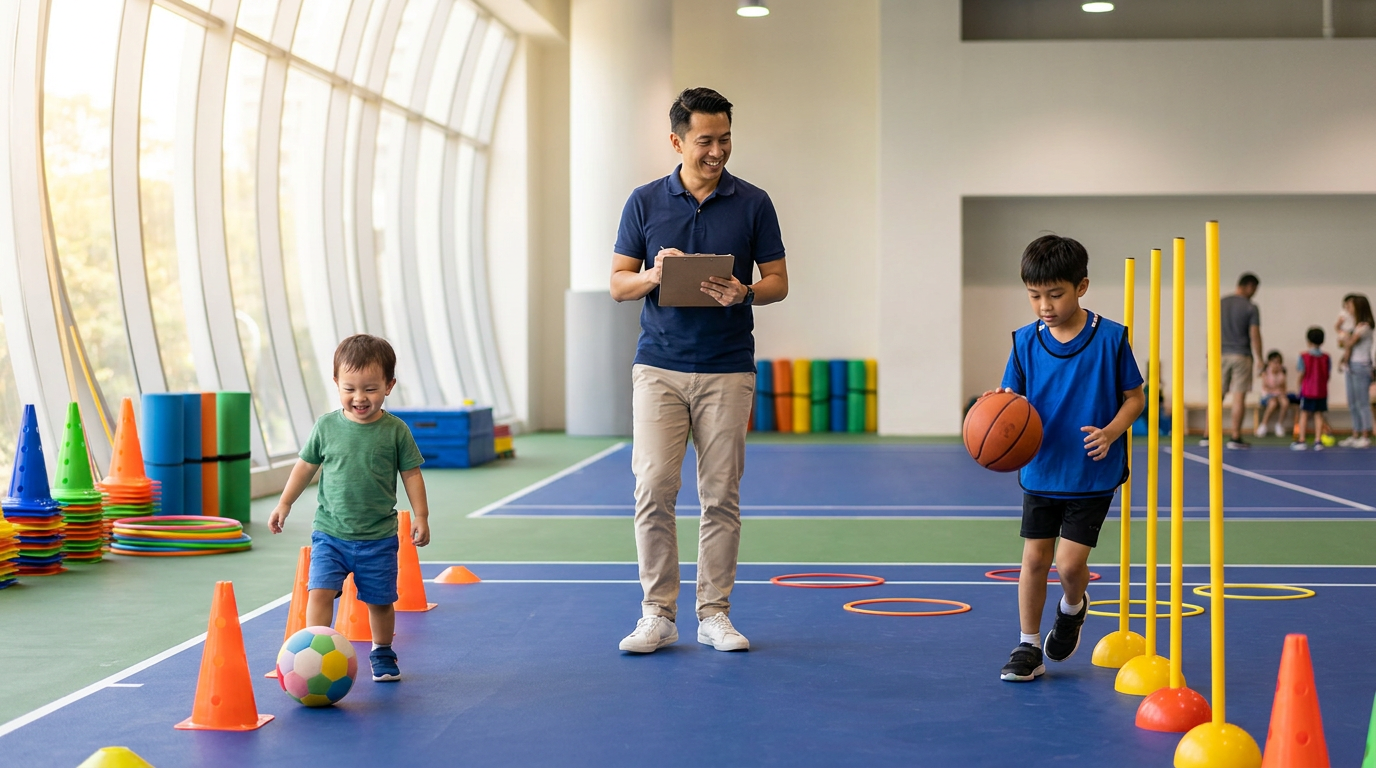
Age-appropriate groupings ensure that children interact with developmentally similar peers. A six-year-old and a twelve-year-old are at vastly different stages socially, emotionally, and physically. Quality programs like those offered by Vivo Kinetics carefully structure age bands—such as their programs for ages 2-6 and 6-12—recognizing that appropriate peer grouping creates more comfortable and productive social environments.
Small group sizes allow coaches to provide individualized attention and prevent any child from getting lost in the crowd. When ratios are appropriate, coaches can notice a child standing alone, facilitate their inclusion, recognize their specific needs, and provide targeted support. This attentiveness creates the safety net that allows children to take social risks knowing adults are watching out for them.
Clear behavioral expectations and consistent enforcement create predictability that helps anxious children relax. When children know that bullying won't be tolerated, that everyone gets turns, and that coaches will step in if problems arise, they can focus on playing and connecting rather than constantly scanning for social threats. This consistent structure paradoxically creates freedom—the freedom to be authentic without fear.
Physical safety measures complement emotional safety. When the environment is genuinely safe—with proper equipment, appropriate supervision, and reasonable challenge levels—children's nervous systems can remain in a calm, socially receptive state rather than moving into protective mode. Anxiety about physical safety activates the same stress responses that shut down social openness, so maintaining comprehensive safety standards supports social development just as much as emotional considerations do.
Age-Appropriate Social Development: What to Expect
Understanding typical social development patterns helps parents set realistic expectations and recognize genuine growth in their children. Different ages bring different social capabilities and challenges, and effective camps tailor their approaches accordingly.
Ages 2-4: Parallel play and emerging interaction
Toddlers and young preschoolers typically engage in parallel play, working alongside peers rather than truly collaborating. During this stage, holiday camps focus on basic social concepts like taking turns, sharing equipment, and following simple group instructions. Children begin learning that other children exist as separate people with their own wants, an essential foundation for later social skills. Success at this age means comfortable participation in group settings, gradually increasing awareness of peers, and beginning to imitate others' actions.
Ages 4-6: Cooperative play and friendship formation
Preschoolers and early primary students begin genuine cooperative play, working together toward shared goals. They form their first real friendships, though these tend to be fluid and based on proximity and shared activities rather than deep connection. Camps for this age group emphasize sharing, basic teamwork, expressing feelings appropriately, and including others. Children develop rudimentary empathy and begin understanding that their actions affect others' feelings. Programs like Vivo Kids specifically design activities that scaffold these emerging social abilities through structured play.
Ages 6-9: Complex social rules and group belonging
Early primary students become intensely interested in rules, fairness, and group membership. They form more stable friendships and begin navigating complex social hierarchies. This age group needs help with conflict resolution, managing winning and losing, including peers who seem different, and handling peer pressure. Sports camps provide ideal contexts for practicing these skills, as the natural structure of games raises all these social issues in manageable ways with adult support readily available.
Ages 9-12: Peer influence and social identity
Older primary and early secondary students experience peer relationships as increasingly central to their identity and wellbeing. They develop more sophisticated social awareness, understand multiple perspectives, and navigate nuanced group dynamics. They also become more self-conscious and concerned with peer acceptance. Camps for this age group should provide opportunities for leadership, complex teamwork, supporting younger children, and working through disagreements independently with coaching backup. The Vivo Kicks Academy structures programs that challenge these older children appropriately while building the advanced social competencies they'll need for adolescence.
Supporting Your Child's Social Growth Beyond Camp
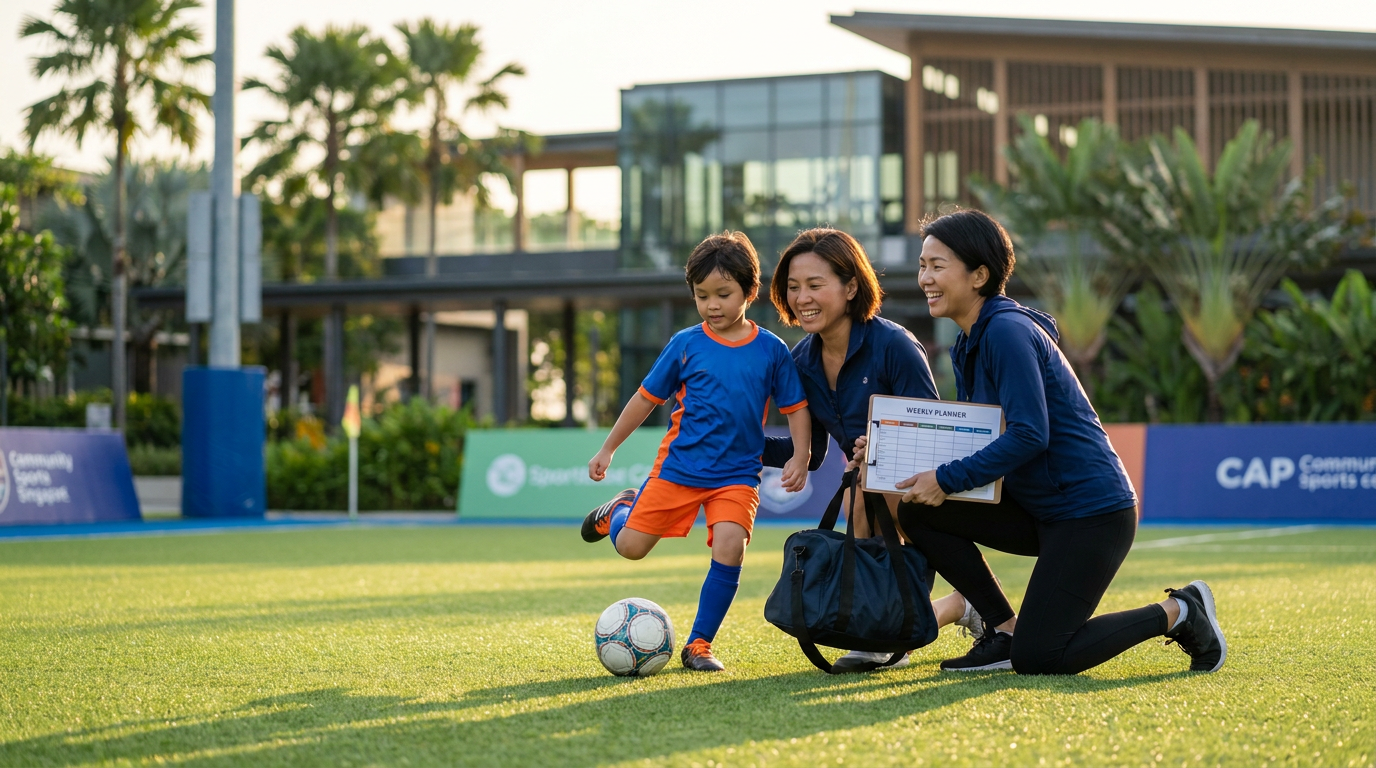
The social skills and confidence children develop at holiday camps shouldn't stay at camp. Parents play a crucial role in helping children consolidate these gains and transfer them to other areas of life. This support doesn't require special expertise—just awareness, encouragement, and consistency.
Debriefing camp experiences helps children process their social learning. Ask open-ended questions about who they played with, what games they enjoyed, and what felt challenging. When children share social successes—making a new friend, helping a teammate, or trying something scary—name and celebrate these achievements specifically. This reflection helps children recognize their own growth and internalize positive social behaviors.
Arrange post-camp connections when possible. If your child formed meaningful friendships at camp, facilitate continued contact through playdates or enrolling in ongoing programs together. These sustained relationships give children opportunities to practice maintaining friendships over time, a different skill than forming initial connections. The social confidence gained during camp can diminish if children return to complete social isolation between camp sessions.
Model the social skills you want to reinforce. Children learn more from observing how parents navigate social situations than from any instruction. Let your child see you greeting neighbors, resolving disagreements respectfully, showing empathy to others, and maintaining friendships. Narrate your thinking occasionally: "I noticed she seemed sad, so I asked if she was okay" or "We disagreed about that, but we found a solution we both liked."
Provide diverse social opportunities throughout the year. While holiday camps offer intensive social development periods, children need regular peer interaction to maintain and build on those skills. Consider enrolling in term-time programs like the Vivo Kids multi-sports programme that provide ongoing opportunities for social skill practice in supportive environments. Consistent participation yields deeper benefits than occasional intensive experiences alone.
Address setbacks with perspective and problem-solving. Not every social interaction will go well, and children need help understanding that social struggles are normal and manageable. When your child experiences rejection, conflict, or social anxiety, validate their feelings while helping them think through what happened and how they might approach similar situations differently. This coaching builds resilience and social problem-solving capacity.
Recognize and accept your child's social temperament. Supporting social development doesn't mean transforming an introvert into an extrovert or forcing a naturally reserved child to become the social butterfly you might imagine. Help your child develop the social skills they need to navigate life successfully while honoring their authentic personality. Some children will always prefer smaller friend groups and quieter settings, and that's perfectly healthy.
Choosing the Right Holiday Camp for Social Development
Not all holiday camps emphasize social skills development equally. Parents seeking camps that will genuinely enhance their children's social competence and confidence should evaluate several key factors when making decisions.
Coaching qualifications and approach: The coaches make or break the social environment. Look for programs that employ coaches with specific training in child development, not just sports skills. Ask about coaching philosophy regarding inclusion, conflict resolution, and social skill development. The best programs recognize that they're developing whole children, not just athletic abilities.
Structure and curriculum: Random activities thrown together don't support systematic skill development. Quality programs follow developmentally appropriate curricula that build skills progressively. Ask whether the camp has a structured program with clear developmental goals or simply provides free play with minimal guidance. Both have value, but structured programs typically yield more consistent social skill development.
Group sizes and ratios: Smaller groups with adequate adult supervision create better environments for social development. Children receive more individualized attention, coaches can monitor dynamics more effectively, and shy children are less likely to get lost in the crowd. Ask about typical group sizes and coach-to-child ratios.
Inclusion practices: How does the camp ensure every child feels included and valued? Look for programs that explicitly discuss their inclusion philosophy and have concrete practices like rotating partners, assigning diverse roles, and intervening when exclusion occurs. Award-winning programs like those offered by Vivo Kinetics have earned recognition specifically for creating inclusive environments where all children thrive.
Age grouping: Appropriate age bands ensure children interact with developmentally similar peers. Be wary of camps with very wide age ranges unless they separate children for most activities. Social dynamics between a five-year-old and an eleven-year-old rarely benefit either child.
Communication with parents: Programs that keep parents informed about their children's experiences and progress demonstrate organizational quality and allow parents to reinforce learning at home. Ask about how the camp communicates with families.
Trial opportunities: Some programs offer trial sessions or shorter camps before longer commitments. These opportunities allow you to assess how your specific child responds to the environment without major time or financial investment.
Vivo Kinetics has earned recognition as "Best Children's Multi-sport Programme 2024" and as "Recognized Leaders in Children's Health & Fitness" in Southeast Asia precisely because they've integrated these best practices comprehensively. Their play-based approach, expert coaching, age-appropriate curricula, and commitment to holistic child development create environments where social skills and confidence flourish naturally alongside physical development.
Holiday camps represent far more than just convenient childcare during school breaks or ways to burn off excess energy. When thoughtfully structured around active play and guided by expert coaches who understand child development, these programs become powerful catalysts for social skills acquisition and confidence building that benefit children throughout their lives.
The magic happens not through formal social skills instruction but through the natural social demands of physical play. When children are focused on games, sports, and challenges, they practice communication, cooperation, empathy, conflict resolution, and leadership in contexts that feel purposeful and enjoyable. These lived experiences embed social competencies more deeply than any worksheet or lesson ever could.
For parents, understanding the mechanisms behind camp-based social development allows more informed decisions and better support for children's growth. Whether your child is naturally outgoing or tends toward shyness, whether they're navigating the early stages of parallel play or the complex social hierarchies of late primary school, quality holiday camps provide environments where they can explore, practice, and develop the social competencies they need to thrive.
The confidence children gain through camp experiences—from mastering new skills, forming friendships, navigating challenges, and discovering their own capabilities—extends far beyond the camp setting. This self-assurance becomes the foundation for approaching new situations, taking appropriate risks, and believing in their ability to handle whatever comes their way. That's a holiday gift that keeps giving long after the camp T-shirt is outgrown.
Ready to Support Your Child's Social Development?
Discover how Vivo Kinetics creates the perfect environment for your child to develop friendships, build confidence, and thrive through active play. Our award-winning programs combine expert coaching, age-appropriate curricula, and play-based learning to support your child's intellectual, social, emotional, and physical development.
Explore our programs: - Camposaur Holiday Camps: Dynamic multi-sport experiences where children make friends and build confidence - Vivo Kids: Multi-sport programme for ages 2-6 focusing on movement skills and character development - Vivo Kicks Academy: Soccer academy for ages 6-12 developing skills and sportsmanship
Visit Vivo Kinetics today to learn more about how we're helping Singapore's children develop the confidence and social skills they need to succeed in life through the power of active play.
Comments