


Homeschool Kids Holiday Programs: Special Options for Active, Social Learning
Table Of Contents
Why Holiday Programs Matter for Homeschool Kids
What to Look for in a Holiday Program
Types of Holiday Programs Suited for Homeschoolers
Multi-Sport Play Programs
Dedicated Sports Academies
Holiday Camps with Themed Activities
How Sports-Based Programs Support the Whole Child
Tips for Choosing the Right Fit for Your Homeschool Child
Vivo Kinetics: Purpose-Built Programs for Homeschool Families
Homeschool Kids Holiday Programs: Special Options for Active, Social Learning
For families who choose to homeschool, school holidays look a little different. There are no class bells to signal the start of free time, no school friends to text about weekend plans, and no teacher-organised excursions to look forward to. What there is, however, is an incredible opportunity — a window to design meaningful, active, and socially enriching experiences that complement everything your child is already learning at home. Holiday programs for homeschool kids aren't just about keeping them occupied while parents work. They're a deliberate investment in physical growth, peer connection, and the kind of character development that only happens when children step outside their comfort zone and into a team.
In Singapore, the options available during school breaks have grown significantly. From arts workshops to coding camps, there is no shortage of enrichment choices. But for homeschool families in particular, sports and active holiday programs offer something uniquely valuable: structured physical activity, natural socialization, and confidence-building experiences all wrapped into a few days of genuine fun. This guide walks you through what to look for, the types of programs best suited for homeschool children, and how to find the right fit for your child's age and personality.
Why Holiday Programs Matter for Homeschool Kids
One of the most commonly raised questions about homeschooling is how children stay socially connected. The reality in Singapore is encouraging: the homeschooling community is vibrant and well-connected, with families forming co-ops and communities where children can interact, collaborate on projects, and participate in group activities. Still, holiday programs offer something that even the most active co-op cannot fully replicate — the experience of joining a group of unfamiliar children, navigating new team dynamics, and discovering something new about yourself in the process.
Holiday camps provide children with the opportunity to meet new people and make new friends. Through various activities, children learn how to communicate, share, and resolve conflicts. By participating in team-based tasks, children boost their confidence and gain valuable social skills that help them not just at camp, but in everyday life. For homeschool kids, who may spend more of their week in smaller, familiar groups, this kind of peer exposure during the holidays is genuinely enriching.
Beyond socialization, there is a compelling physical dimension. Getting children active early isn't just about athletic skills — it's about laying the foundation for lifelong health, confidence, and social development. Research consistently shows that children who engage in regular physical activity demonstrate improved cognitive function, better emotional regulation, and stronger social skills. When those physical activities happen in a structured, coach-led environment, the benefits compound: children learn to follow instruction, set goals, and celebrate effort as much as outcome.
What to Look for in a Holiday Program
Not all holiday programs are created equal, and homeschool families often bring a more intentional lens to their choices. After all, if you are already curating your child's education carefully, you are unlikely to enrol them in something simply because it fills a time slot. Here are the key qualities worth evaluating:
Age-appropriate structure: Programs should be designed with your child's developmental stage in mind, not just their calendar age. A five-year-old and a nine-year-old need very different levels of instruction, challenge, and freedom.
Qualified coaches or facilitators: Look for programs led by trained professionals with experience in child development, not just the sport or activity itself.
Small group sizes: Programs run in small groups encourage children to work with others their own age outside their usual circle of friends, helping them develop communication and collaboration skills and improve their confidence.
Balance of structure and play: The best programs give children just enough direction to feel safe and supported, while leaving room for imagination, creativity, and spontaneous fun.
A nurturing environment: Especially for homeschool children who may be less accustomed to large group settings, the tone set by coaches and staff makes all the difference in whether a child thrives or withdraws.
Once you have a shortlist, it also helps to attend an open day or trial session if available. Watching how coaches interact with children — particularly children who are shy or uncertain — tells you far more than a brochure ever will.
Types of Holiday Programs Suited for Homeschoolers
Multi-Sport Play Programs
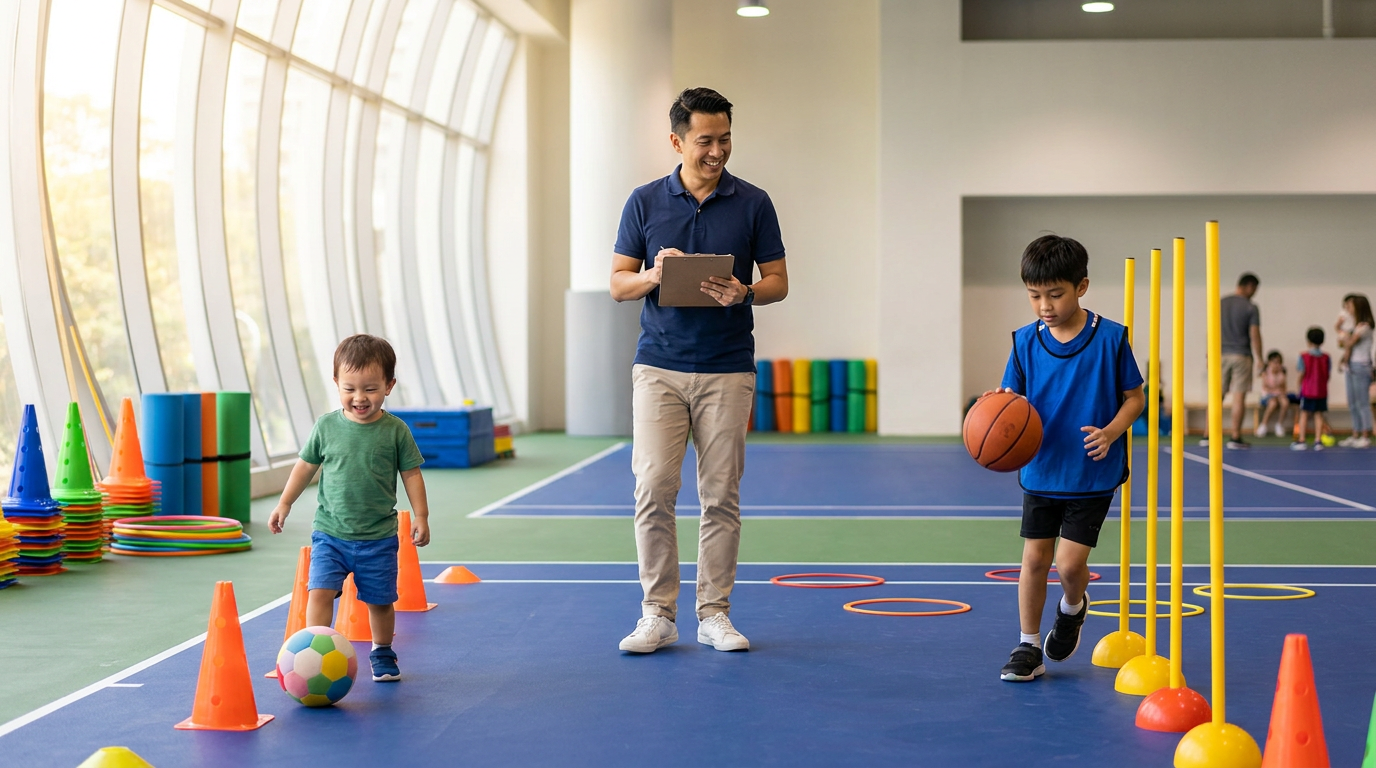
For younger homeschool children, multi-sport programs are often the ideal starting point. Rather than committing to a single discipline, these programs expose children to a variety of movement experiences — running, jumping, throwing, kicking, balancing — in a playful, low-pressure environment. The emphasis is on exploration and skill-building rather than competition, which makes them particularly well-suited to children who have not yet found "their" sport.
One of the hallmark benefits of structured programs for children is their ability to expose them to a wide range of experiences they may not encounter in their daily environment. These programs are designed to spark curiosity and inspire a love of learning through educational and entertaining activities — whether through sports, science experiments, or outdoor adventures, children can discover new passions and interests. For a homeschool child whose week is typically shaped around familiar routines, a multi-sport holiday program introduces healthy unpredictability: a new challenge every day, a new skill to practise, and new peers to laugh with along the way.
Vivo Kinetics' Vivo Kids multi-sports programme is designed precisely with this in mind. Tailored for children aged 2 to 6, it combines age-appropriate movement activities with a focus on character development, ensuring that young homeschoolers are building not just physical skills, but also the social and emotional toolkit they need to thrive in group settings.
Dedicated Sports Academies
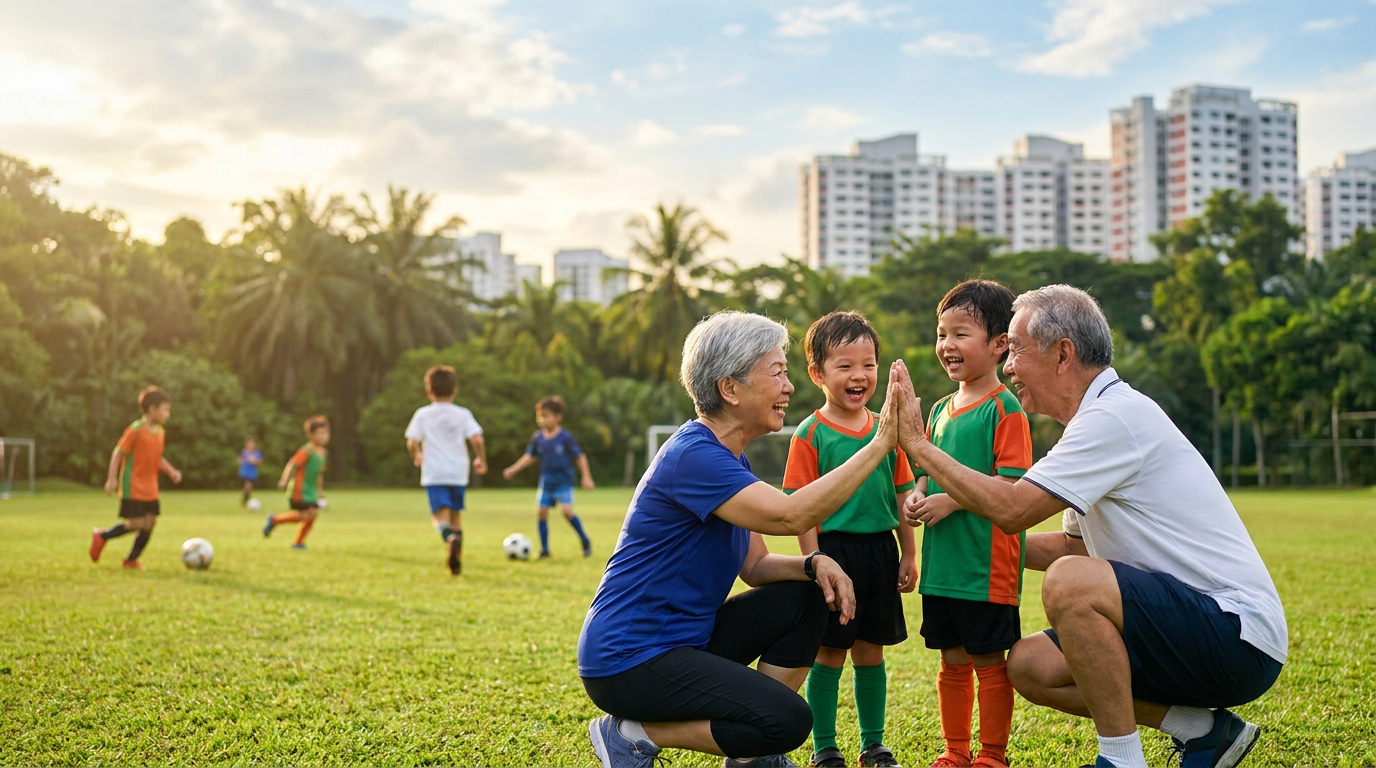
As children grow older and their interests become more defined, dedicated sports academies offer a deeper dive into a chosen discipline. These programs are structured to develop real technical skills — positioning, game awareness, teamwork strategies — while still prioritising fun and positive reinforcement. For homeschool children aged 6 and above, joining a sports academy during the holidays is an excellent way to build mastery, connect with like-minded peers, and experience the satisfaction of measurable progress.
Children need regular physical activity. Camps provide an atmosphere where they can play sports and improve foundational skills. Healthy competition makes kids more resilient — they learn to trust themselves more, both off and on the field. When children feel fit and healthy, their confidence grows, and that confidence makes trying new experiences and making new friends much easier.
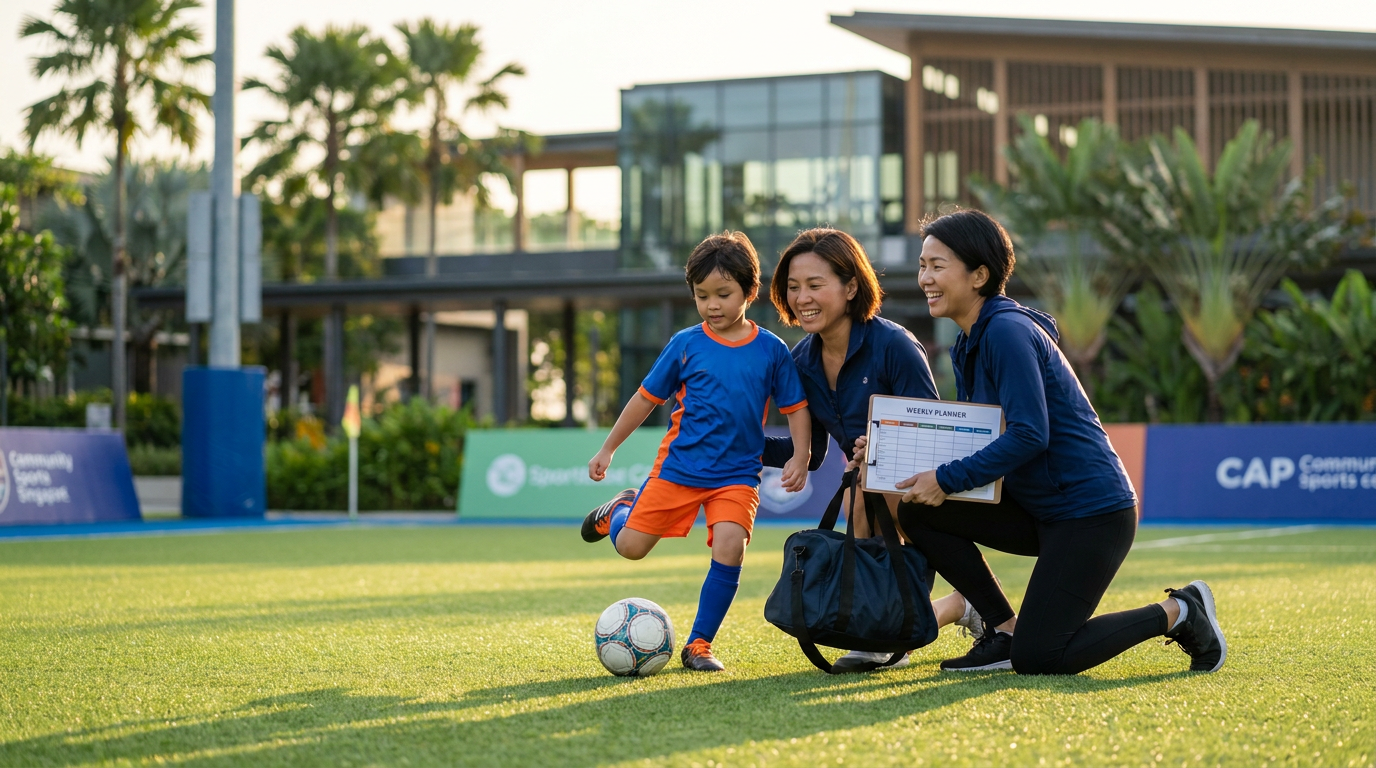
For homeschool families looking for a sport-specific holiday experience, Vivo Kinetics' Vivo Kicks Academy offers a dedicated soccer program for children aged 6 to 12. Coached by qualified professionals, the program develops ball skills, tactical understanding, and the kind of competitive spirit that builds character both on and off the pitch.
Holiday Camps with Themed Activities
For children who thrive on variety and novelty, themed holiday camps offer an immersive experience that combines physical activity with storytelling, adventure, and imaginative play. These programs are particularly popular during the longer school breaks — the June and November-December holidays in Singapore — and give children a narrative to follow throughout the week, which adds an extra layer of engagement.
Multi-activity holiday camps are ideal for children who enjoy exploring new interests while staying active. Each day brings a fresh mix of sports, team games, and fun challenges, so there is always something new to look forward to. Vivo Kinetics' Camposaur holiday camps bring this approach to life with a distinctive play-based theme, wrapping physical challenges and sporting activities in a world that children can fully immerse themselves in. It is the kind of program that homeschool children often talk about long after the camp has ended.
How Sports-Based Programs Support the Whole Child
One of the most powerful arguments for choosing a sports-based holiday program — particularly for homeschool children — is that physical activity delivers benefits that reach far beyond the body. The benefits of youth sports extend far beyond physical fitness. When children participate in structured sports programs, they develop across four critical domains simultaneously: physical, cognitive, social, and emotional.
Physically, holiday camps often include sports and outdoor games, which help children improve their physical coordination and strength. Beyond the physical benefits, exercise also has a positive impact on mental health. Regular physical activity boosts mood, reduces stress, and enhances overall emotional well-being.
Emotionally and socially, the group environment of a sports camp is a natural training ground. Participation in sports and other active activities with children from outside their usual circle can help your child develop confidence and learn to assert themselves physically, mentally, and emotionally when interacting with others. For homeschool children who may not have daily exposure to large, diverse peer groups, this kind of interaction is genuinely formative.
There is also the dimension of independence. Holiday camps foster a sense of independence. At camp, children take on more responsibility — whether it's managing their own belongings, choosing activities, or adapting to a new routine. This responsibility encourages self-reliance and helps children build resilience. As they face new challenges, they gain confidence in their ability to navigate the world on their own, laying the foundation for emotional growth and mental strength.
Tips for Choosing the Right Fit for Your Homeschool Child
Every homeschool family has a different rhythm, and the right holiday program will look different depending on your child's age, personality, and current interests. Here are a few practical tips to guide your decision:
Start with their energy level. Active, high-energy children often thrive in full-day sports camps. Children who prefer quieter environments may do better in shorter, half-day programs with smaller groups.
Consider the social comfort zone. If your child is not used to large groups, look for programs with low student-to-coach ratios and a gentle onboarding structure. A trial day before committing to a full week can ease the transition.
Match the program to their developmental stage. Younger children (ages 2–6) benefit most from play-based multi-sport exploration. Older children (ages 6–12) are ready for more structured coaching and skill development.
Look for programs that value character, not just performance. The best sports programs for children do not just coach technique — they actively build values like teamwork, resilience, and sportsmanship. These are qualities that serve homeschool children well in every area of life.
Trust your child's feedback. After a trial session or first day, ask open-ended questions: What was your favourite part? Did you make a new friend? Would you want to go back? Children are remarkably honest about where they feel comfortable and where they don't.
One of the most significant benefits of holiday camps is the opportunity for children to interact with peers in a structured yet relaxed environment. Away from the usual setting, children learn to communicate, collaborate, and resolve conflicts. These interactions help develop empathy, teamwork, and leadership skills, all of which are essential for personal and academic growth.
Vivo Kinetics: Purpose-Built Programs for Homeschool Families
Vivo Kinetics was founded on a simple but powerful belief: that every child deserves the opportunity to move, play, and grow in an environment that is safe, nurturing, and expertly designed for their stage of development. As an award-winning Singapore-based children's sports and fitness company — recognised as "Best Children's Multi-sport Programme 2024" and as a "Recognised Leader in Children's Health and Fitness" in Southeast Asia — Vivo Kinetics brings professional-level coaching together with a genuine understanding of child development.
For homeschool families, the range of programs available across different holiday periods is particularly well-suited. The Vivo Kids multi-sports programme gives children aged 20 months to 6 years a joyful, movement-rich introduction to sports through play — covering everything from coordination and agility to social skills and confidence. The Vivo Kicks Academy steps things up for children aged 6 to 12, providing focused soccer training in a team environment that fosters discipline, strategy, and a genuine love of the game.
The Camposaur holiday camps bring both of these worlds together in a themed, adventure-packed format that homeschool children find irresistible. With expert coaches, age-appropriate curricula, and a philosophy grounded in active play and character development, Vivo Kinetics offers homeschool families exactly the kind of purposeful, enriching holiday experience their children deserve.
Finding the Program That Works for Your Family
Homeschooling is, at its heart, a commitment to intentional education — and that intentionality doesn't need to take a break during the holidays. Choosing the right holiday program for your homeschool child is an extension of the same thoughtful approach you bring to their everyday learning. The good news is that Singapore's holiday program landscape has genuinely excellent options, particularly in the sports and active play space.
Whether your child is a toddler taking their first steps into group play, a primary-schooler ready to commit to a sport they love, or somewhere in between, there is a program designed with their needs in mind. The key is to look for qualified coaches, age-appropriate structure, and an environment where your child feels safe to try, fail, learn, and try again. That combination is where real development happens — and it tends to be a lot of fun along the way.
Ready to Find the Perfect Holiday Program?
Explore Vivo Kinetics' full range of holiday programs and year-round sports sessions for children aged 20 months to 12 years. From play-based multi-sport programs to focused soccer academies and action-packed holiday camps, there is something designed for every child, every holiday.
Discover Vivo Kinetics Programs →
Comments