


Knee Injuries in Young Athletes: A Parent's Prevention Guide
Table Of Contents
Why Young Athletes' Knees Are More Vulnerable
Common Knee Injuries in Young Athletes
Which Sports Carry the Highest Knee Injury Risk?
Warning Signs Every Parent Should Know
7 Proven Strategies to Prevent Knee Injuries
What to Do When a Knee Injury Happens
The Role of Coaching and Structured Programmes
When to See a Doctor
Helping Your Young Athlete Stay in the Game — Safely
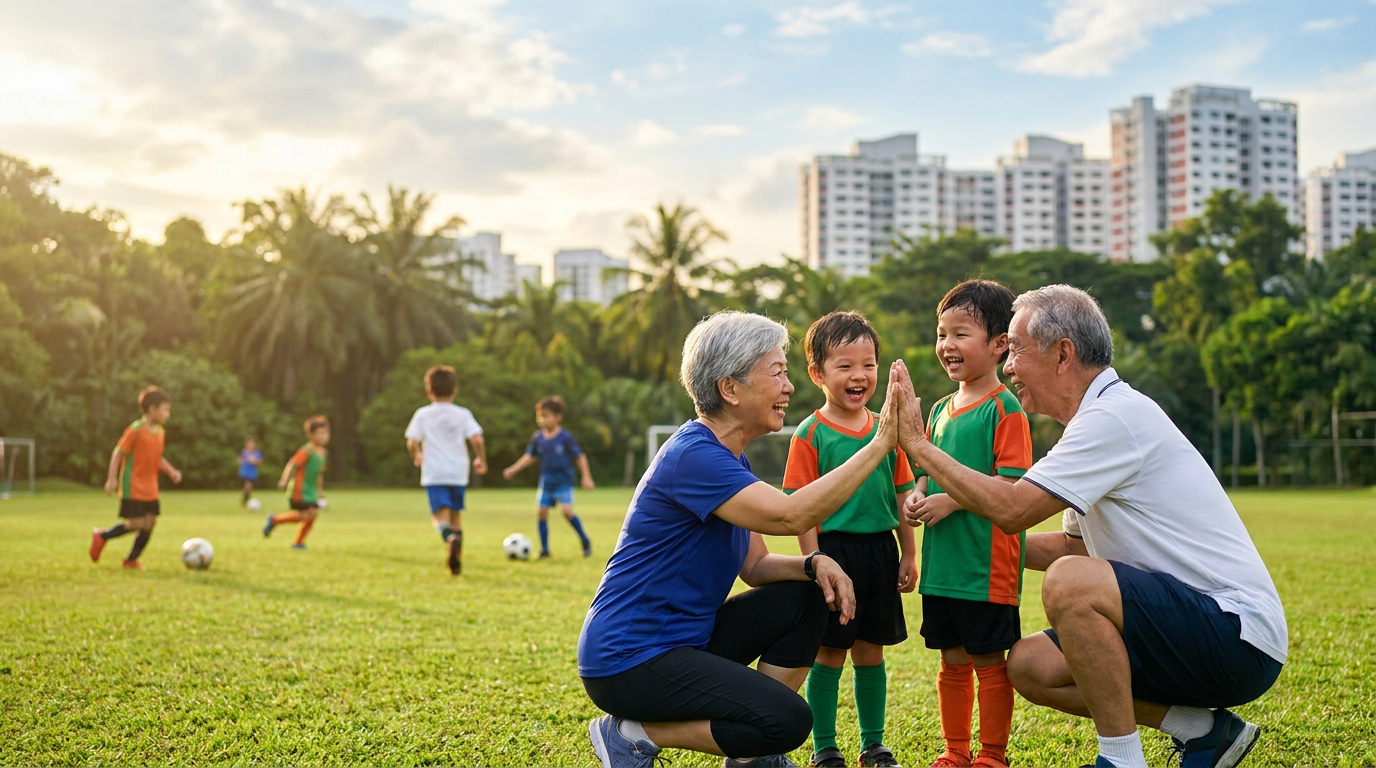
For many children, sport is where confidence is built, friendships are formed, and a lifelong love of movement begins. But as more kids take up structured sports at younger ages, knee injuries in young athletes have become a growing concern for parents and coaches alike. The good news? Most knee injuries in children are preventable. With the right knowledge, age-appropriate training, and some proactive habits at home, you can give your child the physical foundation they need to thrive on the field — and beyond. This guide covers everything parents need to know: why children's knees are uniquely vulnerable, the most common injuries to watch for, and, most importantly, what you can do to keep those little legs healthy and strong.
Why Young Athletes' Knees Are More Vulnerable
Adult and child knees are not the same. One of the most important differences is the presence of growth plates — zones of developing cartilage near the ends of long bones that guide how bones lengthen and reshape during childhood. Children's bones are still developing, and these soft cartilage zones are significantly weaker than the surrounding bone and ligaments. This means that forces which might only cause a sprain in an adult can result in a more serious growth plate injury in a child.
The growth plate, located near the ends of the bones, is softer and more flexible than mature bone, making it more prone to irritation and inflammation — especially in high-impact sports like soccer, basketball, or track. During growth spurts in particular, bones can lengthen faster than the surrounding muscles and tendons, creating additional tightness and stress around the knee joint. This is not a reason to keep children off the field; it is simply a reason to be informed and intentional about how they train.
With sports camps and more structured activities, kids today are increasingly likely to play their chosen sport year-round — but more time on the field brings a greater risk of experiencing sports-related injuries, including ACL and meniscus injuries in the knee.
Common Knee Injuries in Young Athletes
Knee injuries in children generally fall into two broad categories: overuse injuries, which develop gradually from repetitive stress, and acute injuries, which result from a sudden impact or awkward movement. Understanding the difference helps parents respond appropriately.
Patellofemoral Pain Syndrome (Runner's Knee)
This is one of the most frequent overuse injuries seen in active children. It causes pain at the front of the knee and tends to flare up during or after running, jumping, or climbing stairs. It is often linked to muscle imbalances, rapid growth, or a sudden increase in training volume — for example, when a child ramps up activity at the start of a new season.
Osgood-Schlatter Disease
Osgood-Schlatter disease is a condition characterised by inflammation of the growth plate at the top of the shinbone, just below the kneecap. It often affects young athletes during periods of rapid growth and physical activity. It is caused by repetitive stress at the tibial tuberosity — the bony bump just below the knee — and is common in active children during growth spurts, particularly those involved in running and jumping sports. The reassuring news is that it typically resolves with rest, and most children return fully to their sport.
Ligament Sprains and ACL Tears
Sprains occur when a ligament stretches or tears — for example, the anterior cruciate ligament (ACL) or medial collateral ligament (MCL). ACL injuries in young players are particularly concerning because the long-term consequences can be significant. Athletes who suffer an ACL tear at age 13 are likely to face chronic pain in their 20s and 30s, and those with a prior ACL injury have a 25–35% increased risk of having a second ACL tear.
Meniscal Tears
Meniscal tears occur when the cartilage discs in the knee joint are damaged or torn, usually due to sudden twisting or pivoting movements. Symptoms may include pain, swelling, stiffness, and a popping sensation in the knee joint. These are more common in older children and teenagers whose sports involve frequent changes of direction.
Tendinitis
Tendinitis refers to irritation and inflammation of the tendons around the knee. Active and athletic kids can develop overuse knee injuries when someone trains too much or makes repetitive motions involving the knee. Patellar tendinitis — sometimes called "jumper's knee" — is particularly common in sports requiring repeated jumping and landing.
Which Sports Carry the Highest Knee Injury Risk?
Not all sports are created equal when it comes to knee stress. High-impact and collision sports, as well as those requiring rapid direction changes, put the most demand on young knee joints. Sports most commonly associated with knee injuries in children include:
Soccer — frequent pivoting, cutting, and kicking place significant load on the knee
Basketball — jumping, landing, and lateral movements are key risk factors
Gymnastics — landing from height creates high impact forces on growing joints
Competitive cheerleading — complex stunts and tumbling combine impact with twisting
Football — collision-based sport with risk of acute ligament injuries
Running — high repetition and overuse are the main concerns
Children and adolescents who play sports involving turning, pivoting and/or cutting — like soccer, football, basketball and gymnastics — may have a greater risk of sustaining an ACL injury. It is worth noting that participation in any of these sports is still enormously beneficial for children's health and development. The goal is smart preparation, not avoidance.
Warning Signs Every Parent Should Know
Kids often avoid admitting pain because they don't want to miss a game or practice, which is why it is important to watch for nonverbal clues. Changes in the way your child moves — favouring one leg, limping slightly, or avoiding certain movements — can be early signals that something is not right.
Seek medical evaluation if your child experiences any of the following:
Persistent knee pain that does not improve after a day or two of rest
Swelling, warmth, or tenderness around the knee joint
Difficulty bearing weight on the affected leg
A popping or clicking sensation at the time of injury
Visible deformity or a knee that appears misaligned
Pain that worsens at night or occurs even without activity
Unlike sprains, which improve quickly, growth plate injuries cause ongoing pain that does not resolve. When in doubt, always have a doctor take a look. Early diagnosis makes a significant difference to long-term recovery outcomes.
7 Proven Strategies to Prevent Knee Injuries
The encouraging truth is that many knee injuries are preventable. Research demonstrates that specific types of physical training can reduce the risk of ACL injury by as much as 72%, especially in teenage girls. Here are the most effective, evidence-backed steps parents and coaches can take.
1. Prioritise a Proper Warm-Up
Warm-up exercises such as jumping jacks or jogging, followed by dynamic stretching, increase blood flow to the muscles. Besides reducing the risk of injury, warming up can also reduce muscle soreness later. A structured warm-up should be non-negotiable before every training session and match — not just a formality. Structured warm-up programmes like FIFA's 11+ Kids have shown remarkable results: the 11+ Kids warm-up and injury prevention programme does not require specific equipment and can reduce injuries in football players aged 7–13 years by half.
2. Build Strength in the Right Muscle Groups
One key to decreasing injuries is to train the posterior muscles. Many young athletes have overdeveloped quadriceps and underdeveloped gluteal and hamstring muscles — an imbalance that is common since numerous activities favour muscles in the front of the body. Exercises that target the hamstrings, glutes, and hip muscles help create a balanced, protective structure around the knee. Stabilising core muscles — those of the abdominals, spine, pelvis and hips — is also important to reducing injury risk, as the core provides the foundation for leg movements.
3. Teach and Reinforce Proper Technique
How a child moves matters enormously. When jumping, children should bend their knees while landing — this takes pressure off the ACL and prevents injury. If children cut laterally or pivot frequently, as in soccer, encourage them to crouch and bend at the knees and hips to reduce the chances of an ACL injury. Expert coaching that prioritises technique over pure intensity is one of the most protective investments a parent can make.
4. Encourage Multi-Sport Participation
Specialising in a single sport too early is one of the leading causes of overuse injuries in young athletes. Kids who play a variety of sports throughout the year develop strength in different parts of their bodies, and also give muscles and ligaments used intensively for one sport periods of relative rest and recovery while they play another. Multi-sport participation also develops broader movement skills that make children more athletic and adaptable overall.
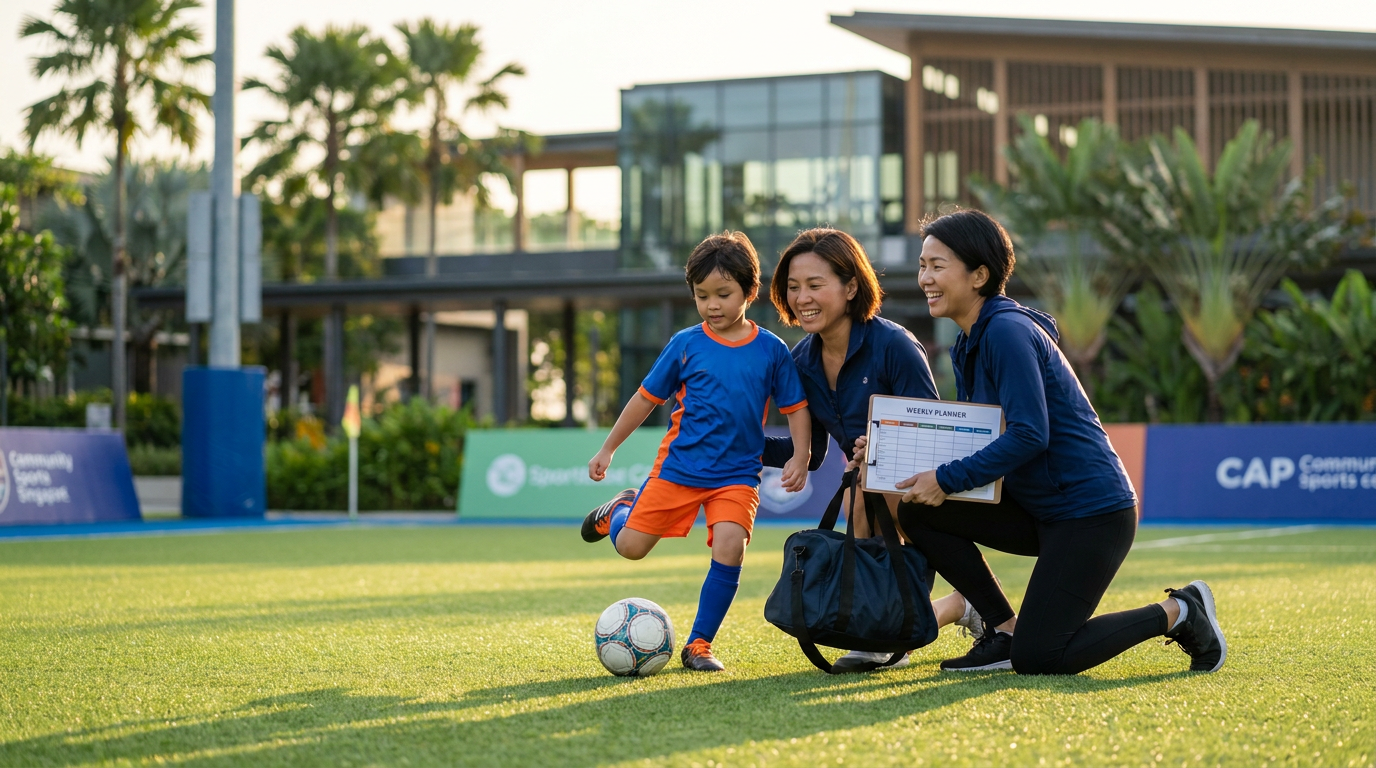
This is one of the principles at the heart of Vivo Kids, Vivo Kinetics' multi-sport programme for children aged 2–6. By introducing children to a range of movement patterns and physical challenges from an early age, Vivo Kids helps build the foundational motor skills and balanced physical development that protect young athletes for years to come.
5. Invest in the Right Footwear
Shoe choice has a direct impact on knee health. Properly fitted, sport-appropriate footwear helps absorb impact and maintain correct alignment during activity. Worn-out or ill-fitting shoes can alter a child's gait and place unnecessary stress on the knee joint. Check your child's shoes regularly and replace them when the soles show significant wear.
6. Respect Rest and Recovery
Proper rest and recovery can prevent overuse injuries and promote overall knee health. Children should have at least one full rest day per week from structured sport and should be encouraged to take proper off-seasons rather than playing the same sport at high intensity year-round. Fatigue compromises technique and coordination — two factors that significantly raise injury risk.
7. Include Balance and Proprioception Training
Exercises like single-leg balance, toe points and flexes strengthen key muscles around the knees and ankles. Proprioception — the body's awareness of its position in space — is a crucial protective mechanism. Children who regularly practise balance-based exercises respond more quickly and efficiently when their body needs to protect the knee from an awkward movement.
What to Do When a Knee Injury Happens
Even with the best prevention in place, injuries can still occur. When they do, a straightforward approach can minimise damage and speed recovery. A helpful memory tool is PRICE:
Protect — remove your child from the activity immediately and use a brace or crutches if needed
Rest — avoid high-impact activity and allow the knee time to begin healing
Ice — apply ice wrapped in a cloth for 20–30 minutes every 2–4 hours to reduce swelling and pain
Compression — wrap the knee with a compression bandage or knee sleeve
Elevate — raise the leg above heart level with a pillow to help reduce swelling
For minor injuries, this approach combined with a few days of rest is often enough. However, if pain and swelling persist beyond 48–72 hours, or if your child cannot bear weight on the leg, it is important to see a doctor for a proper evaluation.
The Role of Coaching and Structured Programmes
Prevention does not happen in isolation. The environment in which a child trains — the quality of coaching, the appropriateness of the curriculum, and the culture around listening to the body — plays a major role in whether injuries occur. Athletic trainers do not just treat injuries; they also help prevent them through proper conditioning, and can provide exercises and advice tailored to a child's sport and needs.
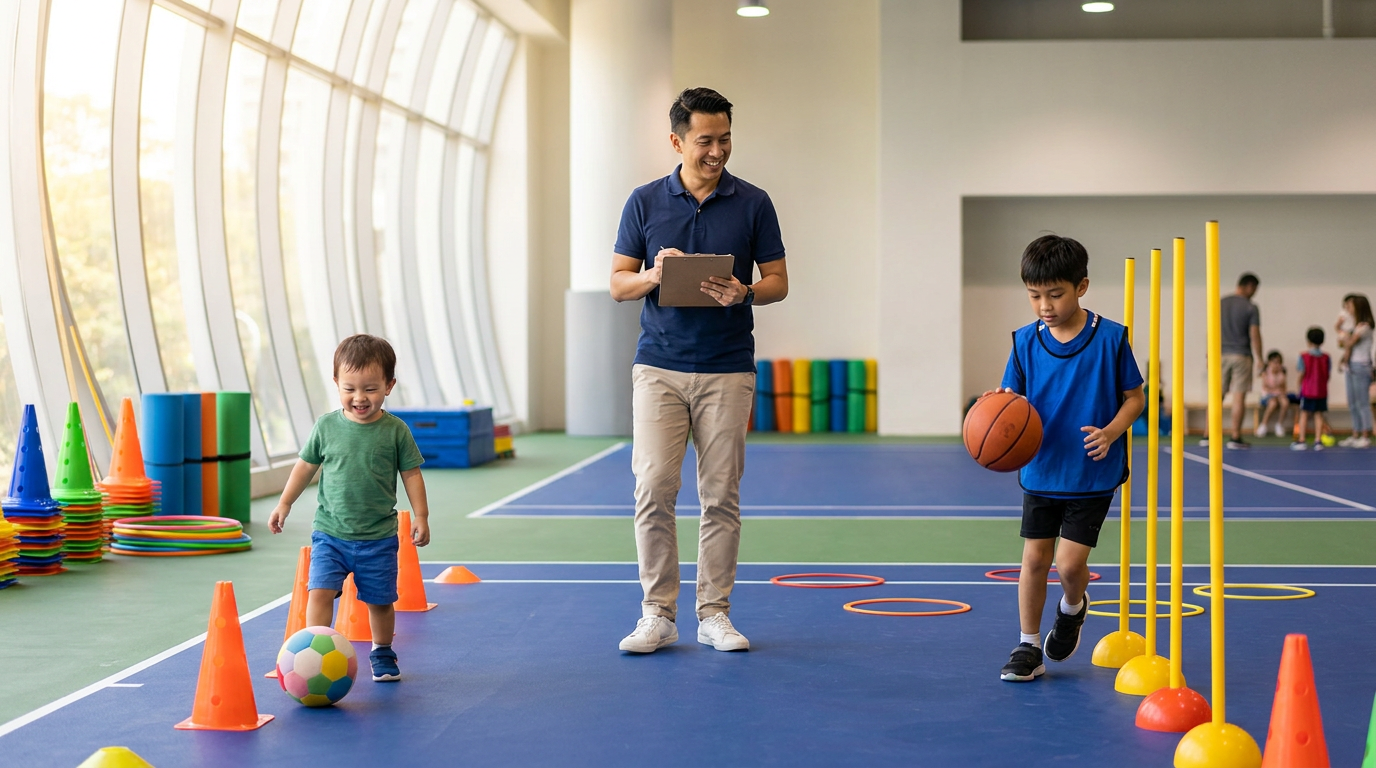
Age-appropriate programming is essential. Young children should not be pushed into training loads designed for older athletes. For children in the 6–12 age range who play soccer, Vivo Kicks — Vivo Kinetics' dedicated soccer academy — delivers structured, expert-coached sessions built around children's developmental stages. When children are taught to move correctly, build strength progressively, and enjoy the sport without excessive pressure, the risk of injury decreases substantially.
Prevention training programmes are more beneficial if athletes start when they are young, and it may be optimal to integrate them during early adolescence, before young athletes develop certain habits that increase the risk of an ACL injury. Starting good movement habits early is one of the best long-term gifts you can give your child.
When to See a Doctor
While many minor knee complaints resolve with rest, some situations require professional assessment without delay. Take your child to a sports medicine doctor or paediatrician if:
The knee is significantly swollen or visibly deformed
Your child heard or felt a pop at the time of injury
Pain prevents your child from walking normally
Symptoms have persisted for more than a few days despite rest
Your child is in the middle of a growth spurt and experiencing consistent knee pain
Early recognition and accurate diagnosis play a crucial role in effective treatment. Do not wait to see if things improve on their own if any of the above apply. Growth plate injuries in young children can have a bigger impact over time, and injuries that occur near the knee are more likely to cause complications than those near other joints. A timely assessment can prevent a minor issue from becoming a long-term problem.
Keep Them Moving — Safely and Confidently
Knee health in young athletes is not about eliminating risk; it is about managing it intelligently. With the right warm-up habits, balanced training, proper technique, and attentive coaches, children can enjoy the full physical and emotional benefits of sport while keeping injuries at bay. The earlier these habits are established, the stronger and more resilient your child's body becomes — not just for their sporting years, but for life.
At Vivo Kinetics, everything we do is designed with your child's safety, confidence, and long-term wellbeing in mind. Whether your little one is just beginning to discover movement or is already an enthusiastic young footballer, our expert coaches and age-appropriate programmes provide the nurturing, structured environment that growing bodies — and growing athletes — need.
Ready to give your child the best possible start in sport?
Explore our programmes at Vivo Kinetics and find the perfect fit for your young athlete — because every child deserves to play, grow, and thrive.
Discover Our Programmes →
Comments