


Movement-Based Learning Activities for Kids: Why Active Play Builds Smarter, Happier Children
Table Of Contents
What Is Movement-Based Learning?
Why Movement Matters for Child Development
Top Movement-Based Learning Activities for Kids
1. Obstacle Courses and Agility Play
2. Dance and Rhythm Activities
3. Multi-Sport Exploration
4. Animal Movement Games
5. Scavenger Hunts and Active Storytelling
6. Ball Skills and Target Play
Movement-Based Learning by Age Group
Tips for Parents: Making Movement Learning a Daily Habit
How Structured Programs Support Movement Learning
Conclusion
Movement-Based Learning Activities for Kids: Why Active Play Builds Smarter, Happier Children
If you have ever watched a child figure out how to kick a ball, navigate a jungle gym, or follow the beat of a song, you have witnessed something remarkable: their brain and body working in perfect partnership. Movement-based learning is not just about keeping kids physically active — it is one of the most powerful tools for building intelligence, emotional resilience, and social confidence during the early years.
Research consistently shows that children learn best when their whole body is involved. Yet in a world of screens and structured sit-down activities, opportunities for meaningful, purposeful movement can easily slip through the cracks. The good news is that movement-based learning activities are easy to incorporate into everyday life, and the benefits stretch far beyond the playground.
In this guide, we explore what movement-based learning really means, why it matters at every stage of childhood, and the best activities you can start today — whether at home, outdoors, or through a structured program designed with your child's development in mind.
What Is Movement-Based Learning?
Movement-based learning, sometimes called kinesthetic learning or active learning, refers to any educational experience that uses physical activity as a vehicle for developing skills and knowledge. Rather than sitting still to absorb information, children engage their bodies to process concepts, solve problems, and build capabilities across multiple developmental domains.
This approach draws on the understanding that movement activates the brain. When children jump, balance, throw, or dance, they stimulate neural pathways linked to memory, attention, language, and executive function. In early childhood especially, the brain and body are deeply interconnected — physical play is not a break from learning, it is the learning.
Movement-based learning also covers a wide spectrum of activities. It includes everything from free outdoor play and sports to structured games that incorporate counting, storytelling, or problem-solving alongside physical challenges. The common thread is simple: the body is in motion, and the mind is fully engaged.
Why Movement Matters for Child Development
The benefits of movement-based learning are supported by decades of research across developmental psychology, neuroscience, and education. For children between the ages of two and twelve, regular active play contributes to growth across four key areas:
Physical development is the most visible benefit. Running, jumping, balancing, and throwing build gross motor skills, coordination, and muscle strength. Fine motor control also develops through activities like catching small balls or manipulating objects during play.
Cognitive development is where movement-based learning often surprises parents. Studies have found that physical activity increases blood flow to the brain, improving concentration, memory retention, and creative thinking. Children who engage in regular active play tend to demonstrate stronger literacy and numeracy skills over time.
Social and emotional development flourishes through movement as well. When children play games together — following rules, taking turns, celebrating wins, and handling setbacks — they build empathy, communication, and self-regulation. These are the foundations of emotional intelligence that will serve them throughout life.
School readiness is directly linked to movement. Skills like crossing the midline of the body, bilateral coordination, and spatial awareness — all developed through active play — are prerequisites for writing, reading, and focused learning in a classroom setting.
Top Movement-Based Learning Activities for Kids
1. Obstacle Courses and Agility Play
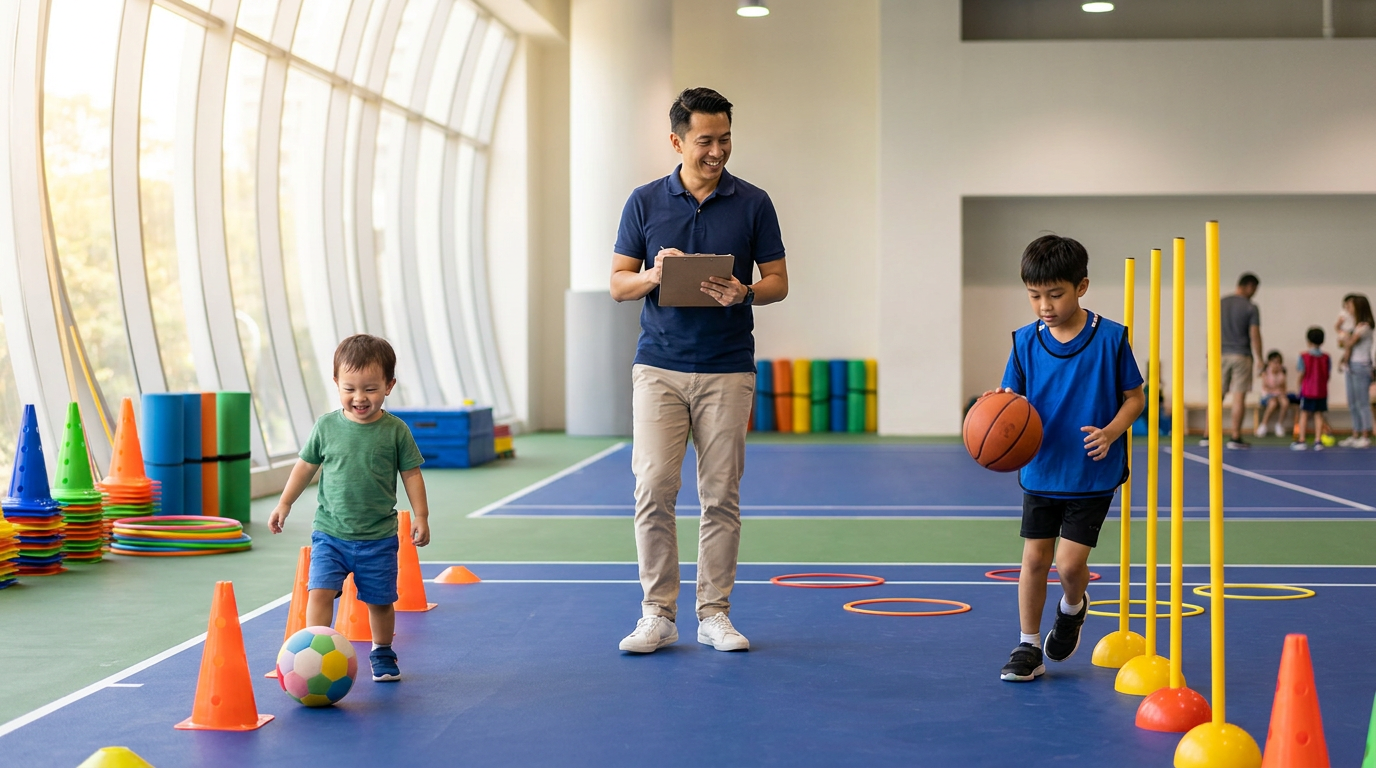
Obstacle courses are one of the most effective movement-based learning tools available to parents and educators. You can set them up indoors with cushions, tunnels, and stepping stones, or take advantage of outdoor spaces with natural terrain. As children crawl under tables, balance along a line of tape, and hop between markers, they are simultaneously developing spatial reasoning, problem-solving, and body awareness.
The beauty of obstacle courses is their scalability. For toddlers, a simple two-step course is plenty. Older children can be challenged with timed runs, reverse sequences, or courses they design themselves — which adds a layer of creative and planning skills on top of the physical challenge.
2. Dance and Rhythm Activities
Dance is far more than just fun. Moving to music helps children develop an awareness of beat and rhythm that connects directly to early literacy skills, including phonemic awareness and pattern recognition. Following choreography — even simple freeze-and-move games — also builds listening skills, memory sequencing, and body control.
For younger children aged two to five, simple action songs that pair words with movements (think "Head, Shoulders, Knees and Toes") are ideal. Older kids benefit from more structured dance or movement games that require them to interpret rhythm independently and express themselves physically.
3. Multi-Sport Exploration
Exposing young children to a variety of sports and movement styles is one of the richest forms of kinesthetic learning. Rather than specialising early, multi-sport play allows children to develop a broad base of fundamental movement skills — running, throwing, catching, striking, dodging — that transfer across activities and serve as building blocks for any sport they pursue later.
This is the philosophy at the heart of the Vivo Kids multi-sports programme by Vivo Kinetics, designed for children aged two to six. Through age-appropriate activities that blend movement exploration with character development, Vivo Kids helps young children build confidence, coordination, and a genuine love of being active — all within a safe and nurturing environment.
4. Animal Movement Games
Animal movement games are a favourite among early childhood educators for good reason. Asking children to move like a crab, hop like a frog, slither like a snake, or stomp like an elephant is playful and imaginative — but it is also rich in developmental value. Each animal movement targets different muscle groups, coordination patterns, and balance challenges.
These activities can be layered with cognitive elements: name the animal before moving, ask children to match the animal to its habitat, or create a story that guides children through a sequence of animal movements. The narrative context makes it easier for children to remember sequences and stay engaged for longer.
5. Scavenger Hunts and Active Storytelling
Scavenger hunts merge movement with problem-solving, language, and environmental awareness. Children run, crouch, search, and explore — while following clues that build reading, listening, or numeracy skills depending on how you design the activity. Even a simple colour-matching scavenger hunt around the home can keep a toddler moving and thinking simultaneously.
Active storytelling takes a similar approach. A parent or educator narrates a story, and children act it out physically as it unfolds. "The explorer climbs a mountain" becomes a chance to crawl over cushions. "The hero swims across the river" turns into an opportunity to practice crawling movements. This approach is particularly powerful for imaginative, language-rich environments.
6. Ball Skills and Target Play
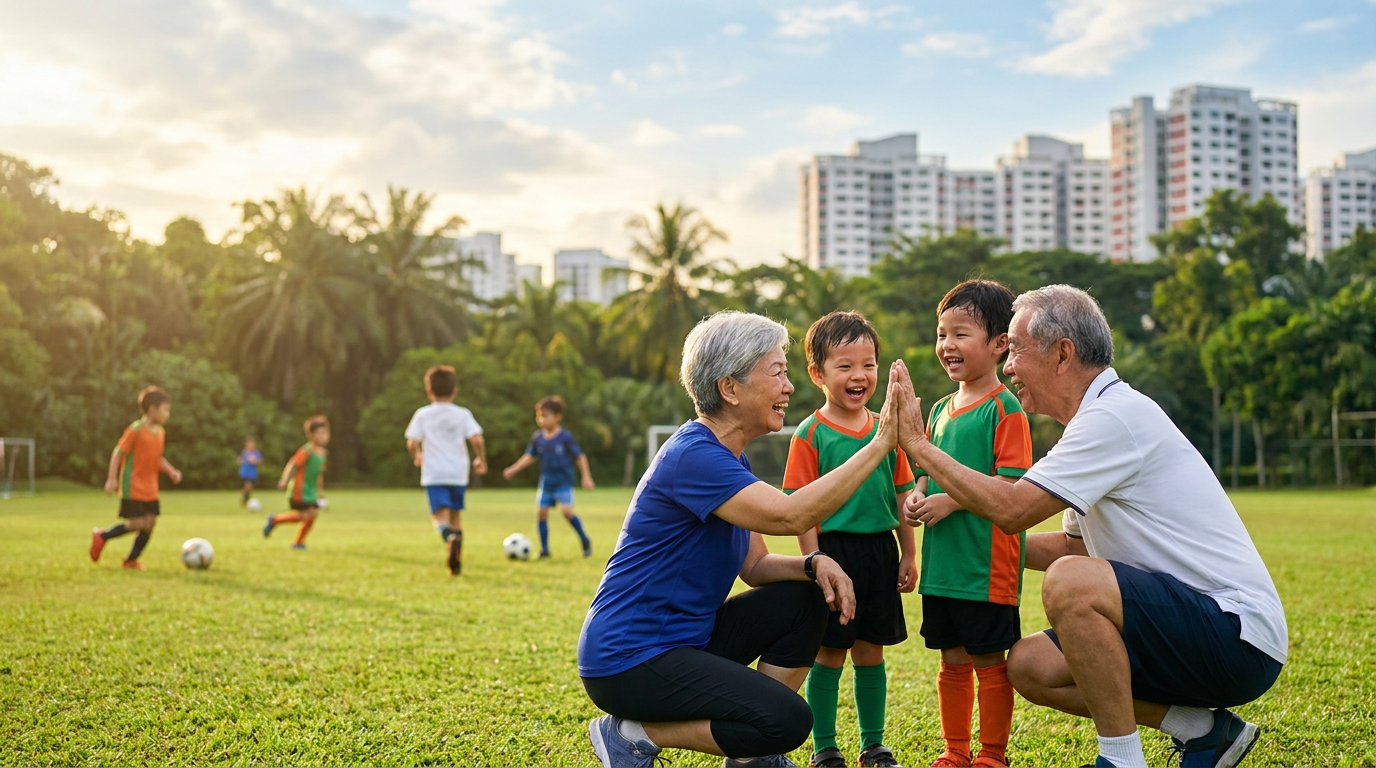
Ball-based activities are among the most developmentally rich movement experiences available. Kicking, throwing, catching, dribbling, and rolling all develop hand-eye and foot-eye coordination, reaction time, and bilateral integration. For children aged six and above, more structured ball play introduces an additional layer: tactical thinking, positional awareness, and the social dynamics of team play.
For families in Singapore looking to build these skills in a structured, expert-led setting, the Vivo Kicks Academy offers a dedicated soccer programme for children aged six to twelve. With qualified coaches and a curriculum designed to develop both technical skills and character, Vivo Kicks creates an environment where children grow not just as players, but as teammates and individuals.
Movement-Based Learning by Age Group
Understanding which activities suit your child's developmental stage makes a significant difference in engagement and outcome.
Ages 20 months to 3 years: Focus on free exploration, sensory movement play, and simple action songs. Activities should be short, repetitive, and heavily play-based. Rolling balls, marching in place, and simple balance challenges on low surfaces are ideal.
Ages 3 to 5 years: Children this age are ready for slightly more structured activities with rules and sequences. Obstacle courses, animal movement games, and group circle activities work beautifully. Multi-sport play introduces fundamental skills like throwing, catching, and kicking in a low-pressure environment.
Ages 6 to 9 years: Cognitive complexity can increase. Scavenger hunts with written clues, team-based movement games, and sport-specific skills become more engaging. Children at this stage are developing a sense of fairness and enjoy cooperative challenges.
Ages 9 to 12 years: Older children benefit from activities that challenge them strategically as well as physically. Team sports, leadership roles in group games, and activities that blend physical challenge with creative thinking are all highly effective.
Tips for Parents: Making Movement Learning a Daily Habit
Building movement-based learning into your child's routine does not require expensive equipment or significant time commitments. Here are some practical ways to start:
Turn transitions into movement moments. Hop to the bathroom, crab-walk to the dinner table, or balance along the edge of the garden path.
Replace passive screen time with active storytelling. Narrate a favourite story while your child acts it out physically.
Set up a simple obstacle course once a week. Rotate the elements to keep the challenge fresh and engaging.
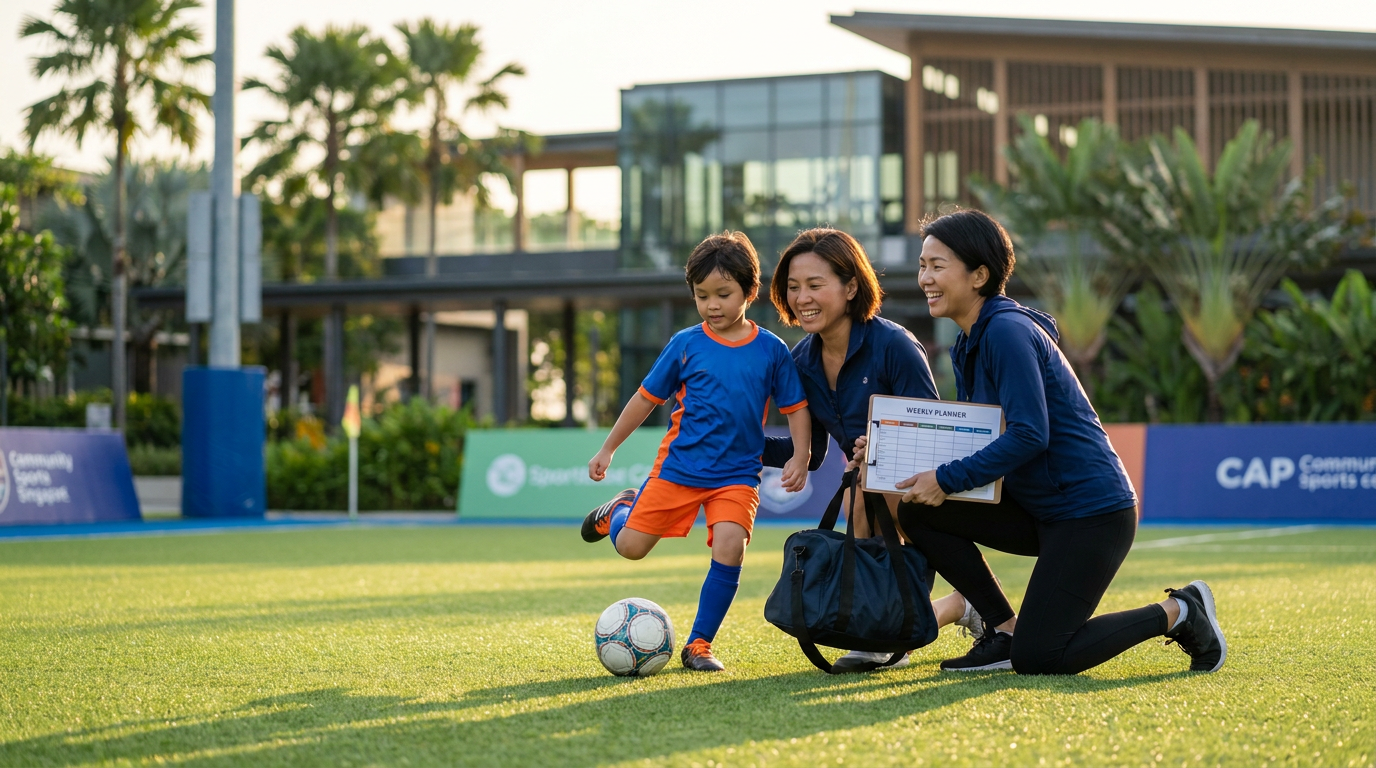
Play alongside your child. When parents participate in movement activities, children's engagement and effort levels increase significantly.
Choose programmes that prioritise play-based development. Look for coaches and educators who understand that movement at young ages should feel like fun, not training.
Celebrate effort over performance. Movement-based learning thrives in environments where trying is valued over winning.
How Structured Programs Support Movement Learning
While home-based activities are wonderful, structured programmes offer something that is difficult to replicate on your own: expert guidance, peer interaction, and a developmentally informed curriculum. A well-designed children's sports programme will sequence activities in a way that progressively builds skills, responds to individual abilities, and creates a consistent environment where children feel safe to challenge themselves.
Vivo Kinetics has been recognised as the "Best Children's Multi-sport Programme 2024" and a "Recognised Leader in Children's Health and Fitness" in Southeast Asia — accolades that reflect a deep commitment to evidence-based, child-centred programming. Their programmes, including Vivo Kids for ages two to six and Vivo Kicks for ages six to twelve, are built on the understanding that physical literacy is just as foundational as academic literacy. When children develop confidence in their bodies, they develop confidence in every other area of their lives too.
For families seeking holiday options, the Camposaur holiday camps offer immersive, active experiences that combine movement, discovery, and fun across multiple days — ideal for keeping children engaged and growing during school breaks.
Conclusion
Movement-based learning is not a trend or a supplement to "real" education — it is one of the most natural, effective, and joyful ways that children grow. Whether your child is rolling a ball across the living room at age two or developing footwork skills on a soccer pitch at age ten, every moment of purposeful movement is building the physical, cognitive, social, and emotional foundations they need to thrive.
The best part? You do not need to choose between active play and meaningful development. With the right activities and the right environment, they are one and the same. Start small, stay consistent, and never underestimate the power of a child who is moving, exploring, and fully alive in their body.
Ready to Give Your Child the Gift of Active Learning?
At Vivo Kinetics, we believe every child deserves a programme that meets them where they are and helps them grow in every direction. Whether your child is taking their first steps into sport through Vivo Kids or developing their game at the Vivo Kicks Academy, our expert coaches and play-based curriculum make every session one they will look forward to.
Explore all our programmes and find the perfect fit for your child today →
Comments