


Post-Game Recovery Nutrition for Kids Athletes: What to Feed Your Young Champion
Table Of Contents
Why Post-Game Nutrition Matters for Young Athletes
The Recovery Window: Timing Is Everything
The Three Pillars of Post-Game Recovery Nutrition
Carbohydrates: Refilling the Energy Tank
Protein: Rebuilding Muscle and Strength
Hydration: Replacing Every Drop Lost
Key Micronutrients Young Athletes Need
Easy Post-Game Snack and Meal Ideas
What to Avoid After a Game
Recovery Beyond the Plate: Sleep and Rest
Tips for Making Post-Game Nutrition a Habit
Fuelling Young Champions at Vivo Kinetics
Fuelling the Final Whistle: Why What Comes Next Matters Most
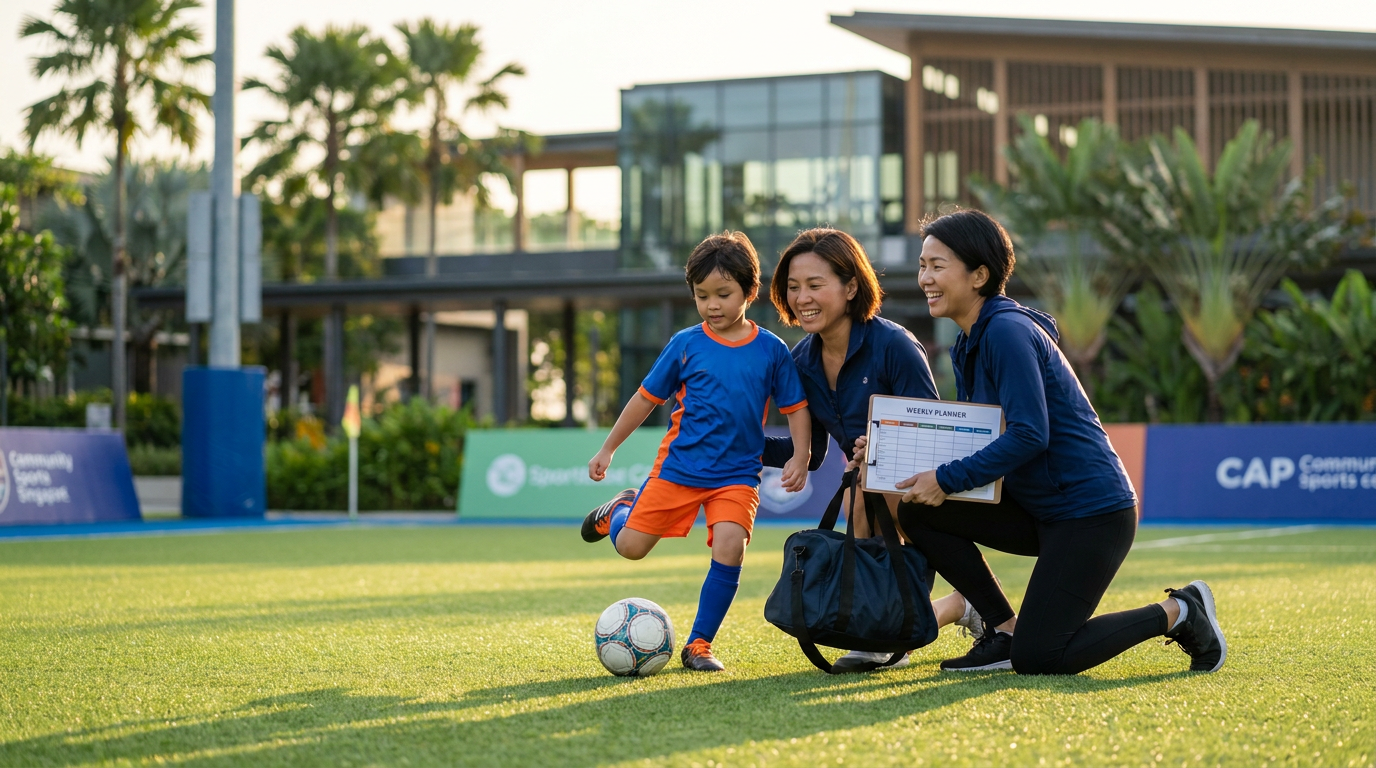
The final whistle blows, the last sprint is done, and your child comes running off the field with flushed cheeks and a huge grin. It's a proud moment for any parent—but it's also the moment your child's body quietly shifts into recovery mode. Muscles are asking for repair. Energy stores are running low. Fluids need replenishing. What happens in the next 30 to 60 minutes can make a remarkable difference to how your young athlete feels, performs, and develops over the long term.
Post-game recovery nutrition for kids is not about complicated supplement routines or strict meal plans. It's about understanding a few simple principles and turning them into easy, enjoyable habits that support your child's growing body. Whether your child is chasing a ball on the soccer pitch, exploring movement in a multi-sport session, or competing in their first tournament, the right fuel after the game helps them bounce back stronger, stay injury-free, and keep loving the sport they play.
In this guide, we break down everything parents need to know about post-game nutrition for young athletes—from the science of recovery timing to practical snack ideas and everyday habits that make a real difference.
Why Post-Game Nutrition Matters for Young Athletes
Children are not simply small adults when it comes to exercise and recovery. Their bodies are simultaneously growing, developing, and performing—which means their nutritional needs after physical activity are uniquely demanding. When kids play sports, they deplete the glycogen (stored energy) in their muscles, create small tears in muscle fibres, lose fluids through sweat, and burn through a significant portion of the fuel they had before the game.
Skipping a proper post-game snack or meal can have real consequences. As research consistently shows, children who miss their recovery nutrition may experience greater fatigue, slower recovery times, and a higher vulnerability to injury. For young athletes attending regular training sessions—whether twice a week or five times a week—building consistent recovery habits is every bit as important as the training itself. Think of good nutrition after exercise as the final chapter of every session: without it, the story of your child's physical development is left unfinished.
It's also worth noting that post-game nutrition serves a dual purpose for children. Unlike adult athletes who are focused purely on performance, kids need fuel that supports both athletic recovery and healthy growth. Their bodies are running two programmes at once, which is why getting the balance right matters so much.
The Recovery Window: Timing Is Everything
One of the most important concepts in youth sports nutrition is the recovery window—the period of time immediately after exercise when the body is primed to absorb nutrients most efficiently. Research and paediatric sports nutrition experts consistently point to this window as a critical opportunity that parents and coaches should not miss.
The general guidance from multiple children's health authorities is to aim for a small recovery snack within 30 minutes of finishing activity, followed by a more complete meal within two hours. This two-stage approach gives the body an immediate source of carbohydrates and protein to kickstart muscle repair and glycogen restoration, followed by a fuller meal that continues the recovery process over the next few hours.
The good news is that the first stage doesn't need to be elaborate. A banana and a small tub of yogurt, or chocolate milk enjoyed in the car on the way home, can be enough to start the process. The key is simply not letting that initial window slip by unaddressed—especially after intense or prolonged activity.
The Three Pillars of Post-Game Recovery Nutrition
Carbohydrates: Refilling the Energy Tank
Carbohydrates are the body's preferred fuel source during exercise, and they are the first nutrient to be prioritised after a game. During physical activity, the body draws on glycogen—the form in which carbohydrates are stored in muscles and the liver. Once those stores are depleted, restoring them quickly sets the stage for faster recovery and better performance in the next session.
For younger athletes, this is especially important because children have smaller glycogen stores than adults and can deplete them more quickly. Eating a carbohydrate-rich snack within 30 minutes after training allows the body to start replenishing those stores efficiently, which is critical for children who train or compete multiple times a week.
Good carbohydrate sources for post-game recovery include:
Fruits – bananas, berries, oranges, and watermelon slices
Whole grain options – whole-wheat crackers, wholemeal bread, brown rice
Dairy-based carbs – yogurt, low-fat flavoured milk
Starchy vegetables – sweet potatoes, corn
Pasta and rice – excellent for a fuller recovery meal at home
Experts generally recommend that carbohydrates make up roughly 50–60% of a young athlete's post-game plate, as they provide both the energy for recovery and a buffer that helps protect muscle tissue from further breakdown.
Protein: Rebuilding Muscle and Strength
While carbohydrates refuel, protein is the building material that actually repairs the body. Exercise causes microscopic tears in muscle fibres, and protein provides the amino acids needed to mend those fibres and build them back stronger. For growing children who are also developing muscle mass as part of normal maturation, adequate protein after activity is doubly important.
Paediatric sports medicine experts suggest that young athletes need approximately 0.45 to 0.6 grams of protein per pound of body weight daily, spread throughout the day rather than consumed all at once. After a game, a moderate portion of protein paired with carbohydrates creates the ideal recovery combination—the carbs restore energy while the protein drives muscle repair.
Parent-friendly protein sources to include after games:
Eggs – scrambled, hard-boiled, or in an omelette
Greek yogurt – naturally rich in protein and great paired with fruit
Grilled chicken or turkey – versatile for sandwiches, wraps, or rice bowls
Fish – salmon or tuna offer protein plus beneficial omega-3 fatty acids
Legumes – beans, lentils, chickpeas, and edamame work well for plant-based families
Low-fat dairy – milk and cheese provide protein alongside calcium and vitamin D
One classic post-game recovery drink that ticks both boxes is chocolate milk. It contains a beneficial ratio of carbohydrates to protein, alongside calcium, vitamin D, and electrolytes—making it a convenient, kid-friendly option that genuinely supports recovery.
Hydration: Replacing Every Drop Lost
Hydration is the unsung hero of post-game recovery, and children are more vulnerable to its effects than adults. Young bodies have a higher body surface area relative to their weight, which means they absorb heat faster and can lose fluids quickly during physical activity—especially in warm or humid climates like Singapore's.
The challenge is that children often don't recognise early dehydration. They may confuse thirst with hunger, or simply forget to drink when they're caught up in the excitement of the game. Signs that your child may need more fluids include decreased attention, stomach complaints, muscle cramps, and reduced energy levels.
After a game, plain water remains the first and best choice for most children. It's important to resume drinking immediately after finishing activity and continue steadily over the next couple of hours. For children who resist drinking plain water, lightly infused water with lemon, orange slices, or berries can make hydration more appealing without adding the excess sugar found in many commercial sports drinks.
Sports drinks are appropriate only for children engaged in intense, continuous activity lasting more than an hour—particularly in hot or humid conditions—when electrolyte replacement becomes important alongside fluid replacement. For most post-game situations, especially for younger children, water paired with a balanced snack is entirely sufficient.
Key Micronutrients Young Athletes Need
Beyond the big three of carbs, protein, and hydration, there are a few micronutrients that deserve special attention for active, growing children.
Calcium and Vitamin D are essential for building the strong bones that young athletes depend on. Fractures and stress injuries are more likely when these nutrients are lacking. Good sources include low-fat dairy products, fortified milks and juices, leafy green vegetables like broccoli, and eggs.
Iron supports the delivery of oxygen to working muscles—something that becomes notably important during sustained exercise. Iron-rich foods include lean meats, chicken, fish, eggs, dried fruits, and fortified whole grains. Parents of young vegetarians or picky eaters should pay particular attention to ensuring adequate iron intake.
Potassium helps muscles function properly and reduces the risk of cramping, which can be a common complaint after intense activity. Bananas are the classic source, but oranges, sweet potatoes, and yogurt are also excellent options.
Antioxidants from brightly coloured fruits and vegetables (think berries, spinach, broccoli, and oranges) help manage post-exercise inflammation and support the immune system, keeping young athletes healthy and ready for their next session.
Easy Post-Game Snack and Meal Ideas
One of the most practical questions parents ask is: what should I actually pack or prepare? The best post-game recovery foods for kids combine carbohydrates and protein in a format that's appealing, portable, and easy to prepare. Here are some ideas for both the immediate snack and the follow-up recovery meal.
Quick Post-Game Snacks (within 30 minutes):
A banana with a small tub of Greek yogurt
Chocolate milk (low-fat or plant-based alternative)
Wholemeal crackers with cheese slices
Apple slices with peanut or almond butter
A smoothie made with milk, frozen banana, and a scoop of yogurt
Hard-boiled eggs with a piece of fruit
Rice cakes with peanut butter and banana slices
Recovery Meals (within 1–2 hours at home):
A rice bowl with grilled chicken, stir-fried vegetables, and a side of fruit
Whole-wheat pasta with lean minced meat or tuna and a tomato-based sauce
A vegetable omelette with wholemeal toast and a small fruit salad
Grilled salmon with brown rice and steamed broccoli
A wholemeal wrap filled with chicken, salad, and hummus
The goal is to create a post-game plate that is roughly 50–60% carbohydrates, 15–20% protein, and filled out with fruits, vegetables, and a source of healthy fat. Keep portion sizes age-appropriate, and resist the urge to reward a good game with sugary treats that undermine the recovery process.
What to Avoid After a Game
Knowing what not to feed your young athlete is just as useful as knowing the best recovery foods. A few common post-game pitfalls to steer clear of:
Sugary sports drinks – Unless your child has been playing intensely for more than an hour in very hot conditions, commercial sports drinks are unnecessarily high in sugar and can affect dental and overall health. Stick to water.
Energy drinks – These are not sports drinks and should never be given to children. They contain caffeine and stimulants that are inappropriate and potentially harmful for young bodies.
Processed fast food – Chips, fried foods, and refined carbohydrates like white bread and pastries offer little nutritional value and may actually slow recovery by triggering inflammation.
Skipping the post-game snack entirely – Even if your child claims not to be hungry, encourage at least a small snack. Appetite suppression after intense exercise is common in children, but delaying nutrition significantly slows recovery.
Recovery Beyond the Plate: Sleep and Rest
Nutrition is the foundation of recovery, but it works best alongside two other essentials: sleep and active rest. Paediatric sports medicine specialists consistently highlight sleep as the most underrated and underappreciated recovery tool available to young athletes. Children aged 6–12 should be aiming for 9–11 hours of sleep per night, with younger children needing even more.
During sleep, the body releases growth hormones that drive muscle repair and physical development. Poor sleep not only slows physical recovery but also affects concentration, mood, and coordination—all qualities that matter enormously during the next training session or game. Creating a consistent bedtime routine, especially in the 24 hours after intense activity, gives your child's body the time it needs to do its best repair work.
Light movement the day after a game—such as gentle stretching, swimming, or casual play—can also aid recovery by improving circulation and reducing muscle stiffness. The goal is never to be sedentary but to give the body a lower-intensity day to consolidate the adaptations made during training.
Tips for Making Post-Game Nutrition a Habit
Building consistent post-game nutrition habits takes a little planning, especially for busy families juggling school, activities, and evening schedules. Here are some practical strategies to make recovery nutrition feel effortless:
Prepare snacks in advance – Pack a cooler bag for the sidelines with pre-portioned snacks ready to go the moment the final whistle blows.
Make it part of the routine – Treat the post-game snack as a non-negotiable part of the sports day, just like wearing shin guards or warming up properly.
Involve your child – Let kids help choose and prepare their recovery snacks. Children are far more likely to eat something they've had a hand in making. Try putting together trail mix, energy bites (oats, nut butter, honey, and seeds), or a yogurt parfait together at home.
Keep it positive – Frame recovery food as a reward for hard work and a tool for becoming stronger, not as a rule or restriction. A healthy relationship with food is one of the greatest long-term gifts you can give a young athlete.
Watch for hunger cues – Some children have suppressed appetites immediately after exercise. If your child won't eat a snack straight away, offer something light like fruit or chocolate milk to start the process, then follow up with a fuller meal when they arrive home.
Fuelling Young Champions at Vivo Kinetics
At Vivo Kinetics, we believe that developing young athletes is about far more than what happens on the field. The habits children build around nutrition, rest, and recovery are just as foundational to their long-term health and confidence as any skill drill or training session.
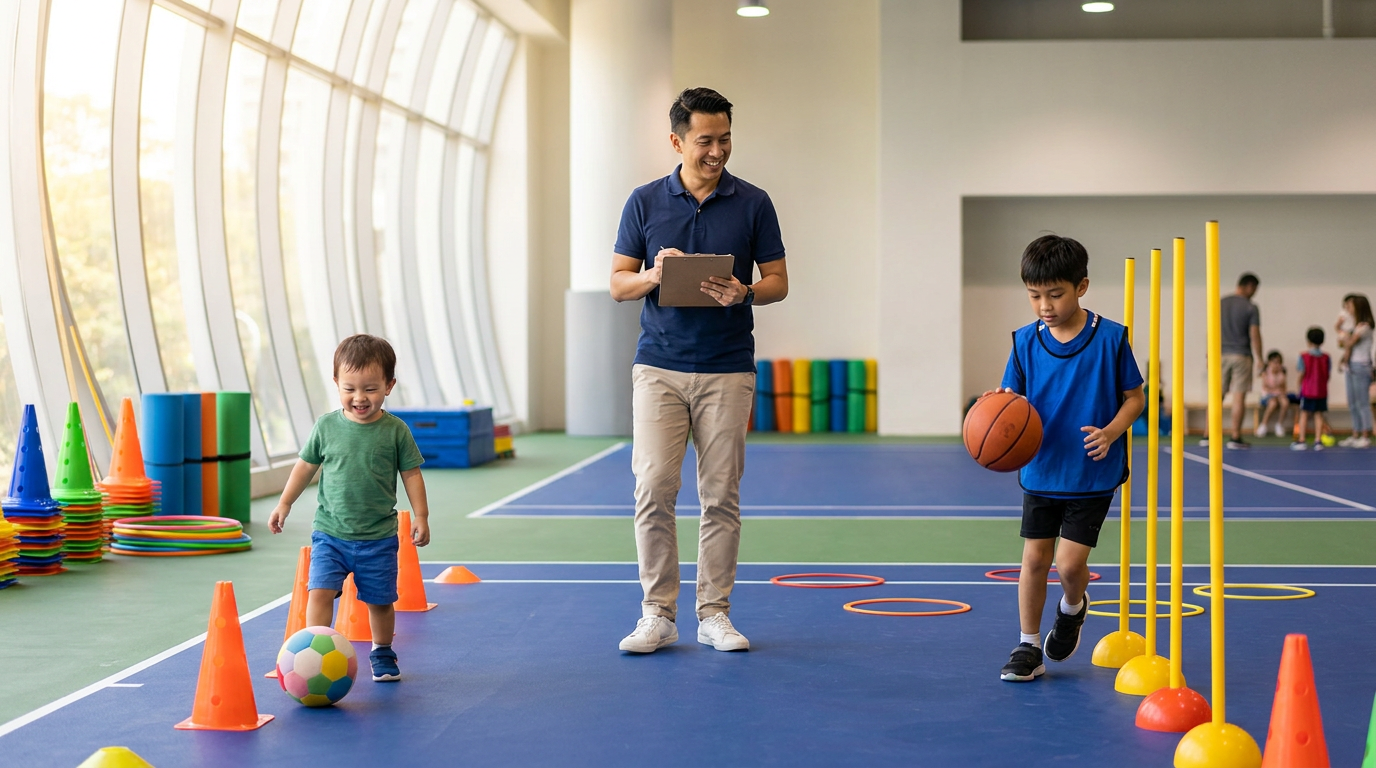
Our Vivo Kids multi-sport programme, designed for children aged 2 to 6, introduces little ones to the joy of movement through play-based activities that build coordination, confidence, and healthy active habits from the very start. For older children aged 6 to 12, Vivo Kicks soccer academy provides structured, expert-coached training that develops both technical ability and the broader lifestyle habits—like proper recovery and nutrition—that make great young athletes.
When children learn to love being active in a nurturing, supportive environment, they're also laying the groundwork for a lifetime of healthy choices. Post-game nutrition is one piece of that bigger picture, and it's a piece that every family can prioritise starting today.
Bringing It All Together
Post-game recovery nutrition doesn't need to be complicated, expensive, or time-consuming. At its core, it comes down to a few consistent principles: eat a carbohydrate and protein-rich snack within 30 minutes of activity, follow up with a balanced recovery meal within two hours, drink plenty of water, and get a good night's sleep. When parents build these habits into their child's sports routine, the benefits show up in every session—more energy, faster recovery, stronger performance, and a healthier, happier young athlete.
Remember that children's nutritional needs are unique. They are growing, developing, and performing all at once, which means the food they eat after a game is doing multiple jobs simultaneously. By fuelling recovery thoughtfully, you're not just helping them bounce back from today's game—you're investing in their physical development, their confidence, and their long-term love of sport.
Ready to give your child the best possible start in sport?
At Vivo Kinetics, our expert coaches create safe, nurturing, and fun environments where children aged 20 months to 12 years can explore movement, build skills, and grow into confident young athletes. From our play-based Vivo Kids multi-sport programme to our structured Vivo Kicks soccer academy, we combine world-class coaching with an age-appropriate curriculum designed to develop the whole child.
Explore our programmes and book a trial session today →
Meta Title: Post-Game Recovery Nutrition for Kids Athletes: What to Feed Your Young Champion
Meta Description: Discover the best post-game recovery nutrition for kids athletes—from timing and key nutrients to easy snack ideas that help little bodies refuel, repair, and grow.

Comments