


Sports and Mental Health in Children: What the Latest Research Reveals
Table Of Contents
Why Sports Matter Beyond the Physical
What the Latest Research Says
Key Mental Health Benefits of Sports for Children
Reduced Anxiety and Depression
Better Emotional Regulation
Stronger Self-Esteem and Confidence
Improved Social Skills and Belonging
Better Sleep and Brain Health
Team Sports vs. Individual Sports: Does It Matter?
The Right Age to Start
When Sports Can Have the Opposite Effect
How Parents Can Support Positive Sports Experiences
Putting It All Together
Sports and Mental Health in Children: What the Latest Research Reveals
Most parents know that running around outside is good for their child's body. Fewer realise just how profoundly it shapes their child's mind. A growing body of research is confirming what many coaches and child development experts have long suspected: participating in sports is one of the most powerful tools available for protecting and nurturing children's mental health.
From reducing anxiety and depression to building resilience and social confidence, the mental health benefits of children's sports go far deeper than burning energy before bedtime. And with childhood mental health challenges on the rise globally, understanding this connection has never been more important for parents.
In this article, we explore the latest research on sports and mental health in children, break down the specific benefits for different age groups, and share practical guidance on how to make your child's sporting experience as positive and mentally enriching as possible.
Why Sports Matter Beyond the Physical
For years, children's sports were framed almost entirely around physical fitness — cardiovascular health, motor skill development, weight management. These benefits are real and important. But researchers have increasingly turned their attention to what happens above the neck when children engage in regular physical activity and structured sport.
What they've found is striking. Children who participate in organised sports consistently show better outcomes across emotional, social, and cognitive domains. They handle stress more effectively, form stronger friendships, and demonstrate greater persistence in the face of challenges. Importantly, these effects appear early in life and can follow children well into adolescence and adulthood.
The key insight from modern child development research is that sports don't just complement mental health — they actively build it. Physical movement, social interaction, challenge, and play combine to create conditions in which young brains and emotional systems flourish.
What the Latest Research Says
Recent years have produced some compelling findings on this topic. A large-scale study published in The Lancet Psychiatry found that children who exercised regularly — including through team sports — had significantly fewer mental health difficulties than their sedentary peers. The effects were most pronounced for reducing depression and improving emotional regulation.
Research from the Journal of Youth and Adolescence found that children involved in team sports reported higher levels of life satisfaction, stronger peer relationships, and lower rates of anxiety compared to non-participants. Notably, the social dimension of team sport was identified as a distinct contributor — separate from the physical benefits of exercise alone.
A major study published in JAMA Pediatrics revealed that children who played sports had measurably greater cortical thickness in regions of the brain associated with memory, attention, and emotional processing. This suggests that sport-based physical activity doesn't just improve mood — it may literally shape brain development in ways that support long-term mental wellbeing.
Perhaps most reassuringly for parents, the benefits don't require elite performance or intense competition. Recreational participation — the kind focused on enjoyment, effort, and teamwork — yields substantial mental health gains. As Dr James Hudziak of the Vermont Center for Children, Youth, and Families has noted, recreational sport is one of the most accessible mental health tools we have for children.
Key Mental Health Benefits of Sports for Children
Reduced Anxiety and Depression
Physical activity triggers the release of endorphins, serotonin, and dopamine — neurochemicals that naturally reduce feelings of stress, sadness, and worry. But beyond the biochemical response, sport gives children a constructive outlet for pent-up energy and difficult emotions. Many children who experience anxiety find that structured physical activity helps them feel calmer and more in control.
For children predisposed to depression, regular participation in sport acts as a protective buffer. Studies show that even moderate levels of sport and physical activity — as little as three sessions per week — can significantly reduce depressive symptoms in school-aged children.
Better Emotional Regulation
One of the most underappreciated mental health benefits of sport is its role in teaching children how to manage their emotions. Sport is inherently full of frustration, setbacks, and high-stakes moments. Learning to handle a missed goal, a lost match, or a tough training session — within a safe, supportive environment — builds emotional resilience that transfers directly to everyday life.
Young children especially benefit from this kind of guided emotional challenge. When coaches help kids process disappointment constructively and celebrate effort over outcome, children develop the emotional vocabulary and self-regulation skills that serve them across home, school, and friendships.
Stronger Self-Esteem and Confidence
Mastering a new skill — whether it's kicking a football, catching a ball, or learning to dribble — gives children a genuine sense of accomplishment. This isn't about trophies or rankings. It's about the internal experience of trying something hard and getting better at it. Research consistently links sports participation to higher self-esteem in children, particularly when the sporting environment emphasises personal progress over comparison with others.
For children who struggle academically or feel less confident in classroom settings, sport can be a vital alternative arena in which to experience competence and pride. This boost in self-belief rarely stays in one silo — it tends to spill over into other areas of a child's life.
Improved Social Skills and Belonging
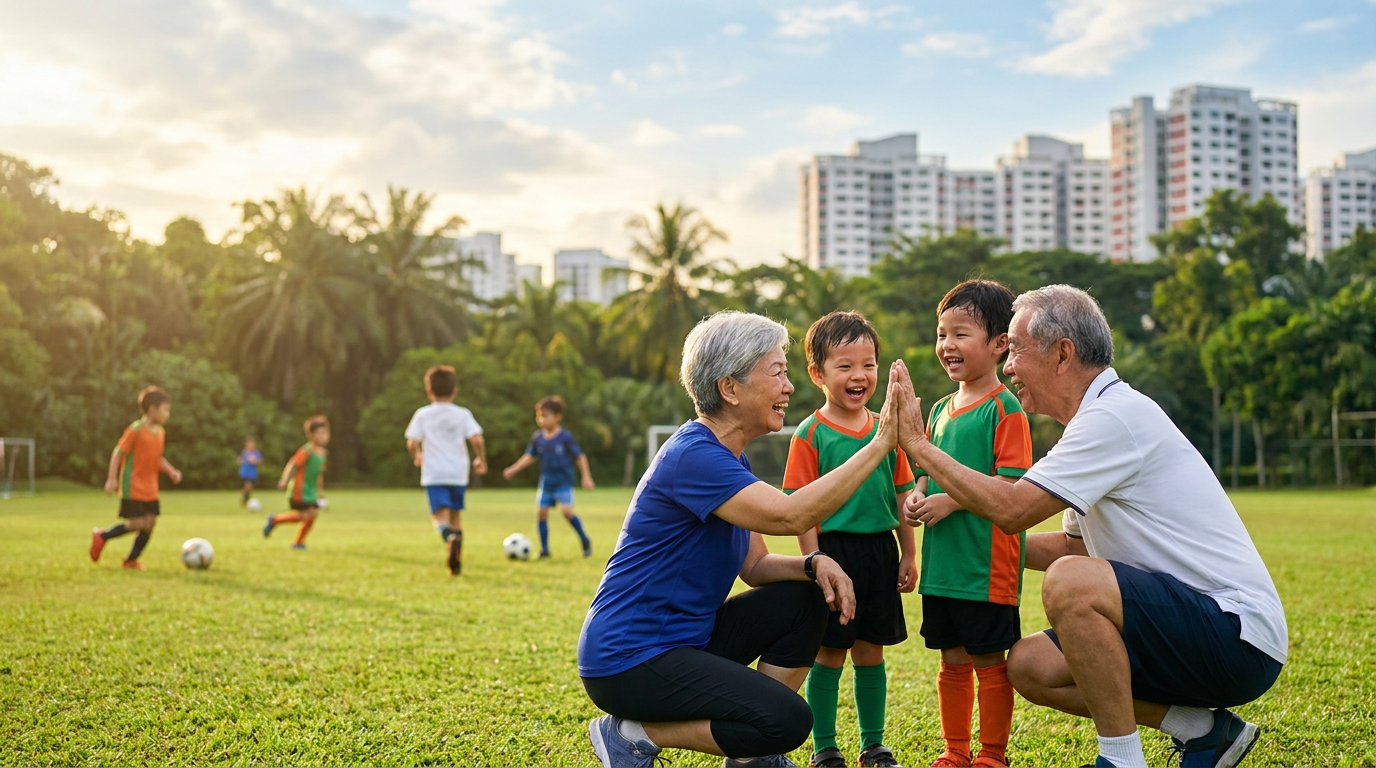
Team sports in particular are extraordinary classrooms for social development. Sharing, taking turns, communicating under pressure, supporting a teammate who's struggling, navigating conflict — these are all skills that children practise constantly within a sporting context, often without even realising it.
The sense of belonging that comes from being part of a team is also a significant mental health asset. Research on childhood loneliness and social isolation highlights how devastating a lack of peer connection can be for young children's wellbeing. Sports create natural communities and shared identities that combat isolation and give children a sense of purpose within a group.
Better Sleep and Brain Health
Children who are physically active through sport tend to sleep better — falling asleep faster and experiencing higher quality rest. Since sleep is foundational to emotional regulation, mood stability, and learning, this benefit creates a positive ripple effect across virtually every dimension of mental health. Physically tired children are often more able to wind down, process the day's experiences, and wake refreshed.
As mentioned earlier, research also points to sport's direct influence on brain development. Regular physical activity during childhood has been associated with improved executive function, better attention and concentration, and enhanced memory — all of which contribute to a child's ability to manage stress, solve problems, and engage positively with the world around them.
Team Sports vs. Individual Sports: Does It Matter?
Both team and individual sports offer meaningful mental health benefits, but they tend to develop different strengths. Team sports build social skills, a sense of belonging, and cooperative problem-solving. Individual sports foster self-discipline, personal accountability, and the ability to compete against one's own previous performance.
For younger children especially, team-based and multi-sport environments tend to be particularly beneficial. They expose children to a variety of movement patterns and social situations while reducing the pressure that can come from early specialisation in a single sport. Multi-sport programmes give children the freedom to explore different activities, discover what excites them, and develop foundational movement skills that will support them throughout their sporting lives.
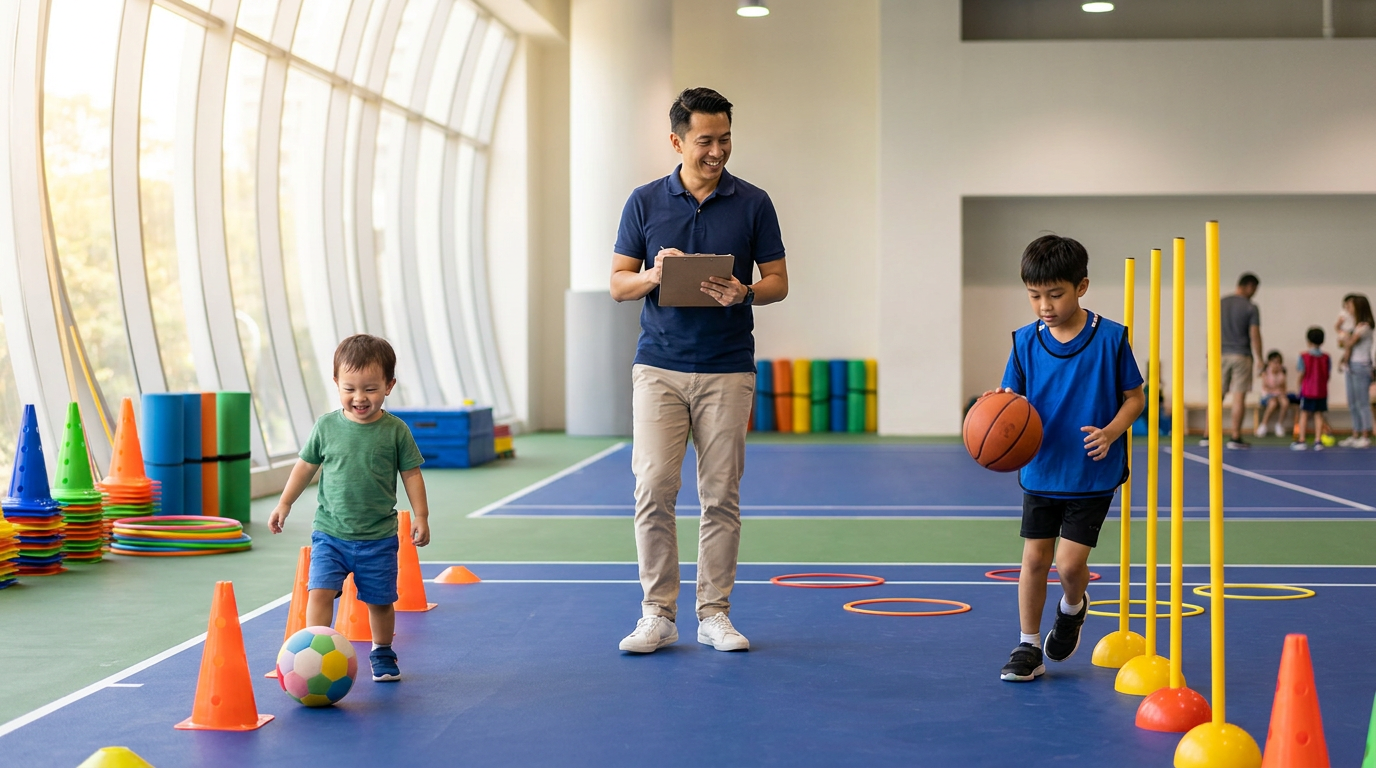
At Vivo Kids, for example, children aged 2 to 6 experience exactly this kind of broad, play-based sporting exposure — building motor skills, social confidence, and a love of movement before any competitive pressure enters the picture. The approach reflects what researchers increasingly recommend: early sport should be about exploration, enjoyment, and holistic development.
The Right Age to Start
One of the most common questions parents ask is: when should my child start playing sports? Research suggests that early exposure to movement-based play — even from toddlerhood — lays important groundwork for both physical and mental development. The key is ensuring that the experience is age-appropriate, pressure-free, and focused on fun.
Between ages 2 and 6, children are in a critical period for developing fundamental movement skills, attention, and early social awareness. Structured play-based sports programmes during this window can meaningfully support brain development and emotional growth. As children move into the 6–12 age range, they're ready for more structured sport environments that introduce teamwork, strategy, and friendly competition.
For children in this older age group, programmes like Vivo Kicks offer the perfect balance — a structured soccer academy that develops sporting skills alongside character, teamwork, and confidence, all within a nurturing, expert-led environment.
When Sports Can Have the Opposite Effect
It's important to acknowledge that not every sporting experience is beneficial for children's mental health. When sport environments become overly competitive, critical, or high-pressure — particularly at young ages — they can contribute to anxiety, burnout, low self-esteem, and even a lifelong aversion to physical activity.
Children who feel that parental or coach approval depends on their performance, or who are pushed to specialise in a single sport too early, are at greater risk of negative psychological outcomes. Research published in the British Journal of Sports Medicine identified early sport specialisation before age 12 as a risk factor for both physical injury and psychological burnout.
The quality of the sporting environment matters enormously. Children thrive when coaches emphasise effort, enjoyment, and personal growth — and struggle when the focus shifts primarily to winning, rankings, or comparison with peers. Parents play a crucial role in shaping their child's relationship with sport through the language they use before, during, and after games and training sessions.
How Parents Can Support Positive Sports Experiences
Getting sport right for your child's mental health isn't just about which programme you choose — it's also about the environment you create around it. Here are the principles that research consistently supports:
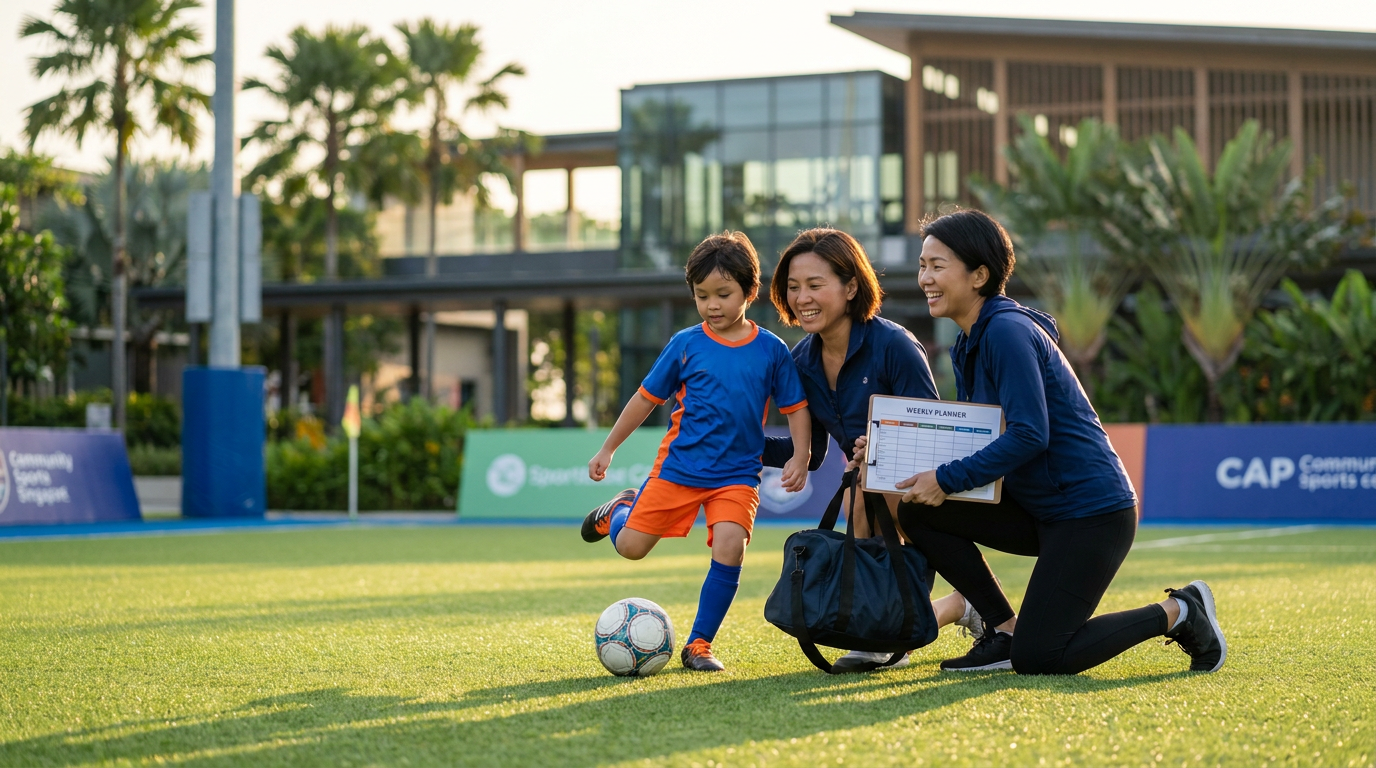
Celebrate effort, not just results. Children benefit most when they hear that you're proud of how hard they tried, not just whether they won. This builds intrinsic motivation and resilience.
Follow your child's interests. Children who choose their own sport and feel genuine enthusiasm for it experience greater wellbeing gains than those who are directed into activities by parents. Offer options, observe what excites them, and follow their lead.
Watch your language on the sidelines. Research shows that post-game car rides can be among the most stressful moments for child athletes. Keeping conversation light, positive, and focused on enjoyment rather than performance analysis makes a meaningful difference.
Prioritise the environment. Look for programmes with trained, nurturing coaches who understand child development, enforce respectful team cultures, and communicate openly with parents. A skilled, empathetic coach can be one of the most positive adult influences in a child's life.
Allow downtime. Structured sport is valuable, but unstructured free play is equally important for children's mental health and creativity. The best sporting schedules leave room for both.
Putting It All Together
The evidence is clear and compelling: sports participation is one of the most effective, accessible, and enjoyable ways to support children's mental health. From reducing anxiety and depression to building confidence, emotional resilience, and social connection, the psychological benefits of sport rival — and often exceed — those of many other interventions available to families.
What matters most isn't whether your child becomes a champion. It's whether they're in an environment that makes them feel capable, connected, and confident. The right sporting programme — age-appropriate, play-based, coach-led with care and expertise — can give children gifts that last a lifetime.
At Vivo Kinetics, we've built every programme around exactly this understanding. From our youngest participants discovering movement for the first time, to older children learning to compete with heart and integrity, everything we do is designed to nurture whole children — physically, emotionally, socially, and intellectually.
Ready to give your child the gift of sport-powered wellbeing?
Explore our award-winning programmes and find the perfect fit for your child's age and interests at Vivo Kinetics. Whether they're just starting out or ready to take their skills to the next level, we have a nurturing, expert-led environment waiting for them.
Meta Title: Sports and Mental Health in Children: What the Latest Research Reveals
Meta Description: Discover what the latest research says about sports and mental health in children — and how physical activity builds resilience, confidence, and emotional wellbeing.
Comments