


Sportsmanship: Teaching Kids to Win and Lose Gracefully
Table Of Contents
What Is Sportsmanship, Really?
Why Sportsmanship Matters Beyond the Game
The Art of Losing Gracefully
The Often-Forgotten Skill: Winning with Humility
How to Teach Sportsmanship: A Guide for Parents
The Role of Coaches and Structured Programs
How Vivo Kinetics Builds Sportsmanship Through Play
Picture this: the final whistle blows, and your child's team has just lost. Do they shake hands and hold their heads high—or do tears and frustration take over? Now flip the scenario: they've just won. Do they celebrate with kindness, or does the victory turn into gloating that upsets their friends? These everyday moments on the sports field are far more important than the score ever could be. They are, in fact, some of the most powerful character-building lessons a child will ever receive.
Sportsmanship—the ability to win and lose gracefully—is one of the most valuable life skills we can nurture in children. It shapes how they handle disappointment, how they treat others under pressure, and how they carry themselves when things don't go their way. And the good news? It can absolutely be taught, practiced, and strengthened over time, both at home and in the right sporting environment.
In this guide, we'll explore what sportsmanship truly means, why it matters so much for a child's development, and how parents and coaches can work together to help children build these essential skills—from the very first time they step onto a field.
What Is Sportsmanship, Really?
Sportsmanship is often reduced to a post-game handshake or a polite "good game," but it runs far deeper than that. At its core, sportsmanship is about how children treat everyone involved in a sporting experience—teammates, opponents, coaches, and officials—with fairness, respect, and integrity, regardless of the outcome.
True sportsmanship means competing hard while remaining kind. It means following the rules not because you have to, but because you understand that fairness is what makes sport worthwhile. It means handling victory without letting it become arrogance, and facing defeat without letting it become bitterness. These qualities don't come automatically to children—they need to be modelled, encouraged, and practised repeatedly before they become second nature.
Importantly, sportsmanship is also about self-awareness. Children who develop good sportsmanship learn to recognise their own emotions in the heat of a game—frustration, excitement, disappointment—and manage those emotions constructively. That kind of emotional intelligence is rare and deeply valuable.
Why Sportsmanship Matters Beyond the Game
One of the most compelling reasons to teach sportsmanship early is that its lessons transfer powerfully into everyday life. The child who learns to shake an opponent's hand after a loss is building the same muscle they'll use when they don't get the role in the school play, don't make the top class, or face a difficult colleague years down the road.
Children who are taught to handle both winning and losing with grace develop stronger emotional resilience. They learn that their worth isn't determined by the outcome of a single game. They also develop a growth mindset—the understanding that skills and abilities are developed through effort, not fixed at birth. When a loss is framed as a learning opportunity rather than a failure, children become more motivated to keep trying and improving.
Beyond personal resilience, sportsmanship shapes how children relate to others. A child who can celebrate a teammate's success genuinely, or encourage a friend who is struggling, develops deeper empathy and builds stronger friendships. These social skills—cooperation, encouragement, respect—are the foundation of healthy relationships throughout life.
There is also a practical reason to take sportsmanship seriously: children who struggle with poor winning or losing behaviours often find it harder to maintain friendships and be included in group activities. Learning to be a gracious competitor quite literally makes children more enjoyable to be around.
The Art of Losing Gracefully
Losing is hard. It stings for children—and, if we're honest, for adults too. But losing is also one of the richest learning experiences available to a young person, provided the adults around them respond in the right way.
The first and most important thing parents and coaches can do is validate the feeling. Telling a child not to be upset rarely helps; acknowledging that disappointment is normal and okay gives them permission to process the experience without shame. Once the child is calm, the conversation can shift to reflection: What did we do well today? What could we work on next time? These simple questions encourage a growth mindset and help children view individual setbacks as part of an overall path to improvement rather than a verdict on their worth.
It's equally important to avoid comparing a child's performance to that of a teammate or peer who did better. That kind of comparison can quietly erode confidence and make losing feel even more personal than it already does. Instead, focus on individual progress—how far your child has come since they started, the effort they put in, and the specific moments where they showed improvement or heart.
Here are some practical ways to help your child handle a loss with grace:
Acknowledge their feelings first. Let them know it's okay to feel upset or frustrated before redirecting to learning.
Praise effort, not results. "You tried so hard today and never gave up" lands far better than "Bad luck, maybe next time."
Model the response you want to see. Children watch how their parents react to disappointment—on the sidelines and at home.
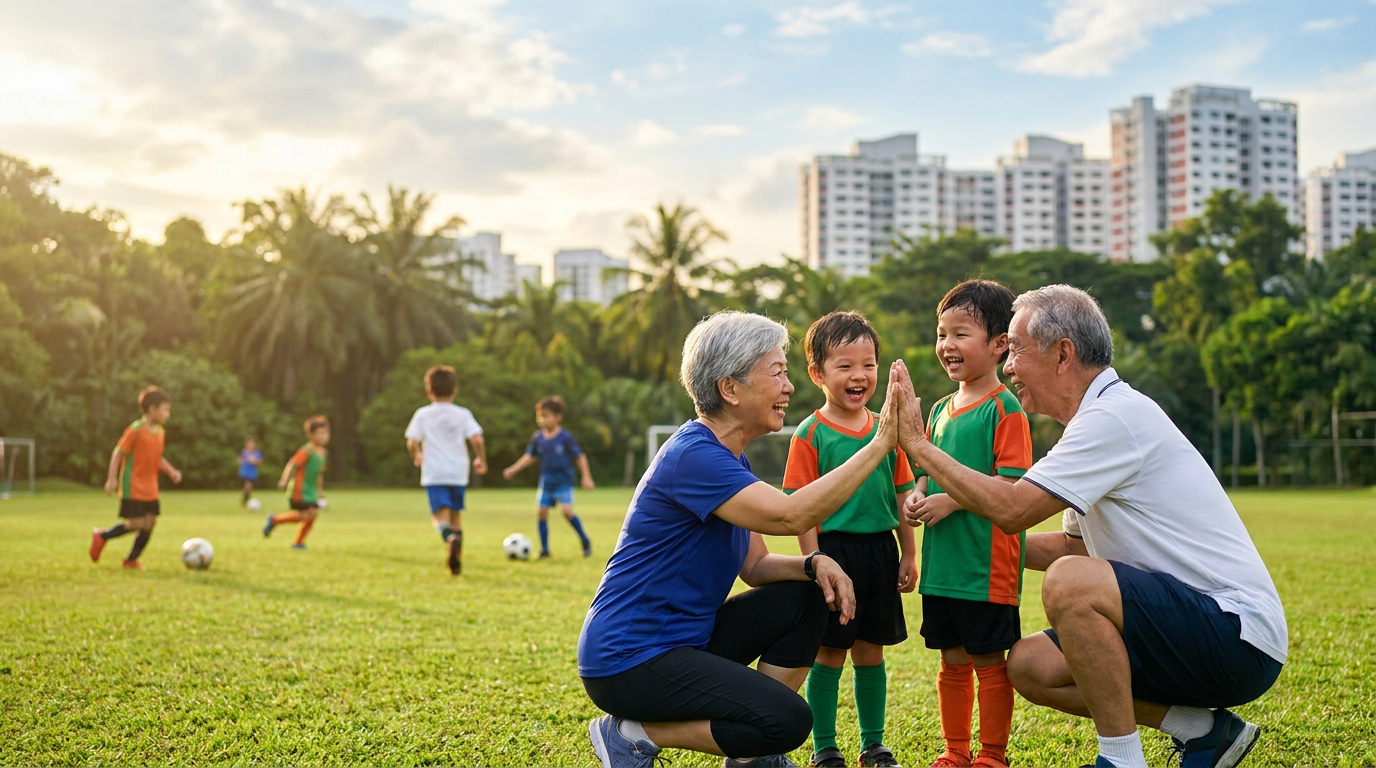
Encourage a post-game positive ritual. A firm handshake, a sincere "well played," or identifying one thing the other team did well teaches respect even in defeat.
Avoid the blame game. Resist the urge to blame the referee, the coach, or the other team. This teaches children to deflect rather than reflect.
The Often-Forgotten Skill: Winning with Humility
While much of the conversation around sportsmanship focuses on losing, winning gracefully is an equally important—and often overlooked—skill. A child who gloats, brags, or dismisses the other team's efforts after a win is displaying poor sportsmanship just as much as a child who throws a tantrum after a loss.
Teaching children to win well starts with empathy. Winning gracefully requires kids to consider how their opponents might be feeling after a loss and to respond with genuine respect. It's the living embodiment of the golden rule: treat others the way you'd want to be treated if the roles were reversed.
Encourage your child to enjoy their wins—celebration is healthy and deserved. But guide them to keep that celebration balanced with humility. Acknowledge the effort of the other team. Thank the coaches, teammates, and even the referees. And after the excitement settles, ask your child: "What did you learn from this game?" Keeping the focus on growth rather than glory ensures that winning never becomes the sole measure of success.
How to Teach Sportsmanship: A Guide for Parents
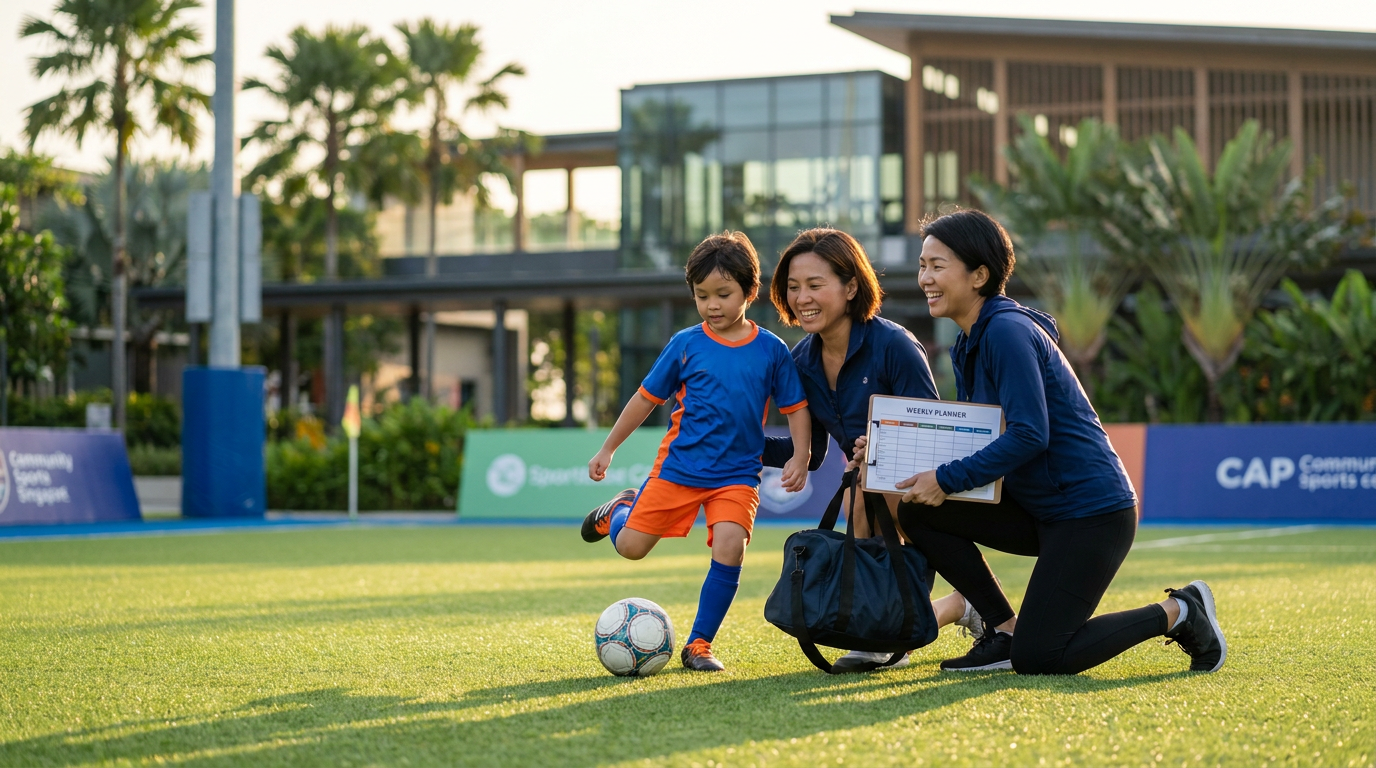
Parents are the first and most enduring teachers of sportsmanship. Long before a child steps onto a field, they're absorbing the attitudes and behaviours they see modelled at home. Here's how to be intentional about what you're modelling and teaching:
1. Lead by example on the sidelines Your child is watching you during every game. How you react to a bad call, a losing score, or another parent's behaviour sends a powerful message. Stay calm, cheer for effort from both sides, and show respect for officials—even when you disagree with a call.
2. Praise the process, not just the outcome Make it a habit to highlight specific behaviours over scores: "I loved how you encouraged your teammate when they missed that shot" is far more character-building than "Great, you won!" This reinforces that how your child plays—their attitude, effort, and treatment of others—is what truly matters.
3. Use professional sport as a teaching moment Watching sport as a family is a great opportunity to point out real-life examples of both excellent and poor sportsmanship. Ask your child: "What do you think about the way that player reacted?" or "What would you have done differently?" These conversations build critical thinking and moral reasoning.
4. Play low-stakes games at home Board games, card games, and backyard competitions are perfect training grounds for sportsmanship. Keep the atmosphere light and fun, and narrate healthy responses to both winning and losing as you play. Importantly, don't always let your child win—experiencing a respectful loss at home makes real losses far easier to handle.
5. Reflect after competitions—calmly and constructively The car ride home after a game is a valuable window. Keep the conversation positive and curious rather than critical. Ask open-ended questions about what your child enjoyed, what challenged them, and what they'd like to improve. Save any coaching feedback for when emotions have settled.
The Role of Coaches and Structured Programs
While parents lay the foundation, coaches and structured sports programs have a unique opportunity to reinforce sportsmanship in ways that simply aren't possible at home. A skilled coach creates an environment where sportsmanship isn't just expected—it's actively modelled, celebrated, and embedded into every session.
The way a program structures its activities matters enormously. Age-appropriate modifications—smaller fields, adjusted rules, or cooperative challenges—help ensure that children of all ability levels can participate meaningfully. When every child gets a fair opportunity to contribute, win, and face a challenge, the emotional stakes feel more manageable and the lessons of graceful winning and losing can land more gently.
Coach behaviour is equally influential. Research consistently shows that what coaches do and say during practice and competition sends strong signals to children about which values matter most. A coach who visibly congratulates the opposing team, acknowledges a close call fairly, or celebrates a child's effort over their score is doing far more than coaching sport—they're shaping character.
Structured programs that integrate character development alongside physical skill-building provide children with repeated, intentional exposure to these lessons across weeks and months. That consistency is what allows sportsmanship to become not just a rule to follow, but a genuine value children hold.
How Vivo Kinetics Builds Sportsmanship Through Play
At Vivo Kinetics, we believe that sport is one of the most powerful vehicles for character development—and sportsmanship sits at the heart of everything we do. From our youngest participants to our most competitive young athletes, every programme is designed to help children develop not just skills, but the values that will carry them through life.
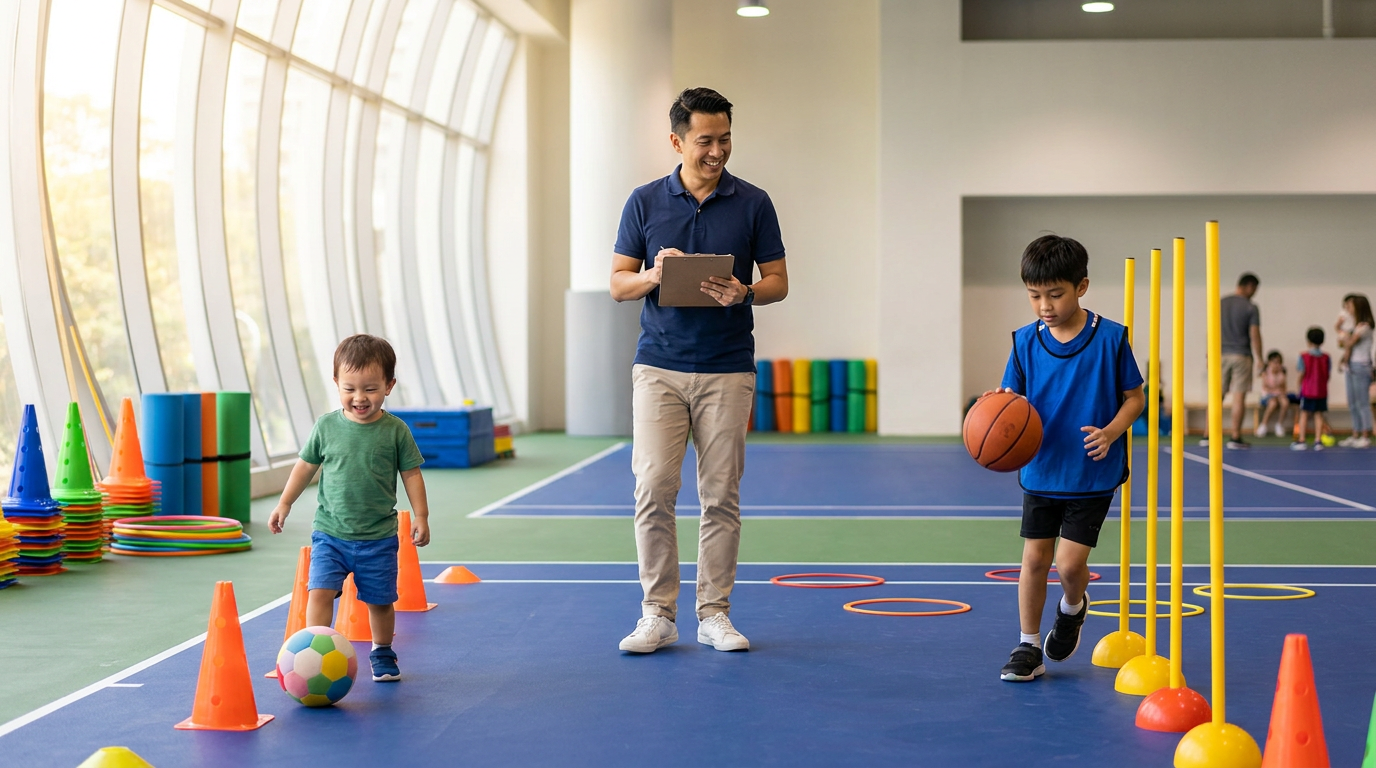
In Vivo Kids, our multi-sport programme for children aged 2 to 6, we gently introduce the concepts of winning and losing through age-appropriate challenges and modified games. Our expert coaches model gracious responses to both outcomes—congratulating others sincerely, trying their best regardless of result, and keeping the focus firmly on fun and effort rather than competition. Children learn by watching, and they watch their coaches closely.
In Vivo Kicks, our soccer academy for ages 6 to 12, sportsmanship is woven into every training session and match day. Young players are encouraged to respect referees, support their teammates, acknowledge good play from opponents, and handle both victories and defeats with composure. These aren't just rules—they're habits we build together, week after week, in a supportive and nurturing environment.
Across all our programmes, we partner closely with parents, sharing language and approaches that can be reinforced at home. Because the most powerful sportsmanship lessons happen when the messages from coaches and parents are consistent, caring, and clear.
Raising Good Sports, for Life
Sportsmanship isn't a talent some children are born with and others aren't. It's a skill—one that can be taught, practised, and deepened over time with the right guidance. Every game, every race, every training session is an opportunity to help your child become not just a better athlete, but a better person.
When children learn to win with humility and lose with grace, they're developing something far more valuable than a trophy: emotional resilience, empathy, integrity, and the confidence to handle whatever life throws at them. These are the qualities that define great teammates, strong leaders, and kind human beings.
The journey starts young, and it starts with you—as a parent on the sidelines, as a coach on the field, and as the everyday role model in your child's life.
Give Your Child the Best Start in Sport and in Life
Looking for a sports programme that nurtures your child's character as much as their athletic skills? At Vivo Kinetics, we create safe, joyful, and purposeful environments where children aged 20 months to 12 years learn to move, grow, and thrive—together.
Explore our programmes and get started today at vivokinetics.com
Comments